Skip to content

Aluminum Deburring Machine

  • Burr removal after cutting

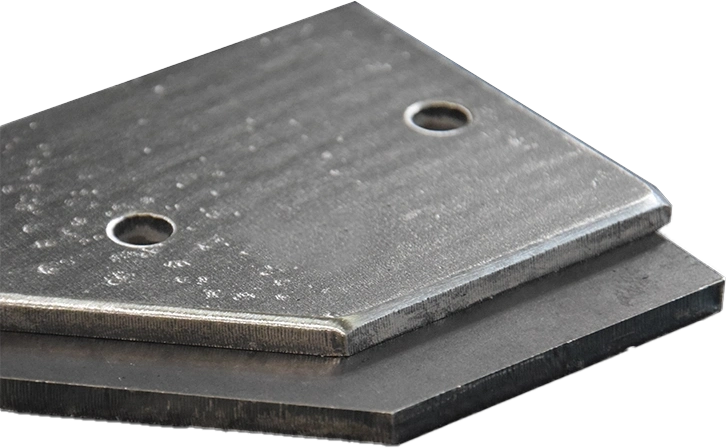
    Automatically clean the burrs, dross and oxide left behind by laser, plasma, oxyfuel and punching operations. The result is repeatable from the first part to the last, so you no longer depend on how carefully an operator grinds each edge by hand.

  • Safer, rounded edges

    Sharp cut edges are a safety hazard and a weak point for coatings. Dedicated edge-rounding stations produce a consistent, controlled radius that makes parts safer to handle, easier to assemble and far more durable once painted or powder coated.

  • Better prep for painting & welding

    Rounded, clean and oxide-free edges dramatically improve paint and powder-coat adhesion and give welders a consistent, contaminant-free surface. This reduces downstream defects, rework and warranty issues across the whole production chain.

Advanced filters
Max. Material Width (mm)
Processes

Deburring & Edge Rounding for Aluminium

Aluminium behaves differently from steel during deburring: it is softer, can load abrasives and needs the correct brush and belt selection to avoid smearing or clogging. An aluminum deburring machine is set up specifically for these characteristics so that burrs are removed cleanly and edges are rounded without damaging the surface.

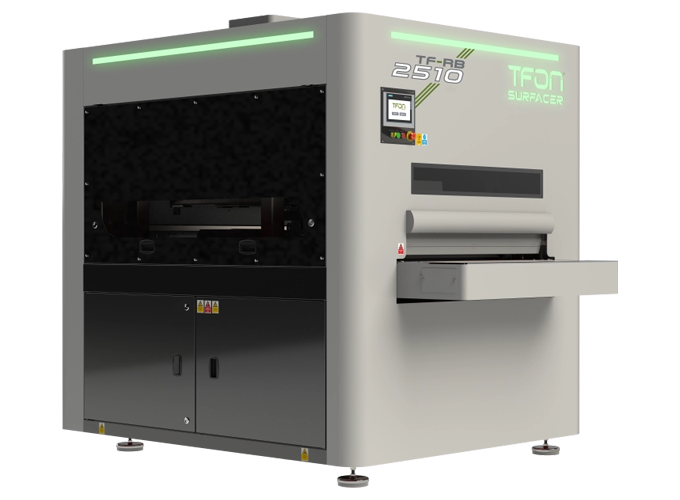
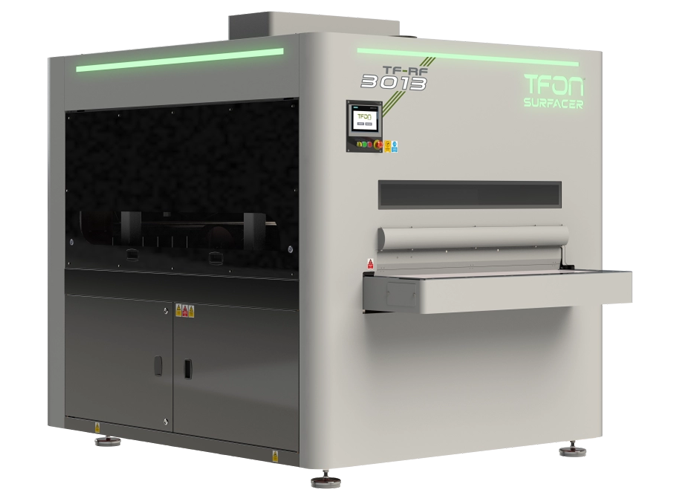
TFON Surfacer® machines process aluminium sheet and parts with material-appropriate abrasives and brushes, producing a consistent edge radius and a clean surface ready for anodising, coating or assembly.

Because parameters are stored as recipes, once an aluminium part is dialled in the machine reproduces exactly the same result on every repeat order — something manual grinding of soft aluminium edges struggles to achieve.

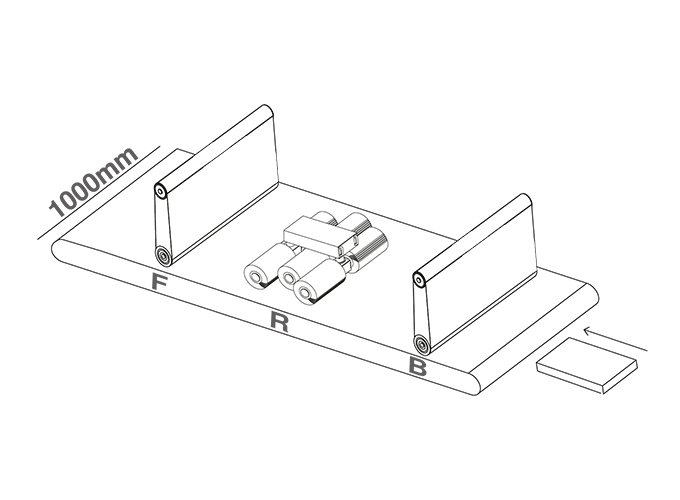
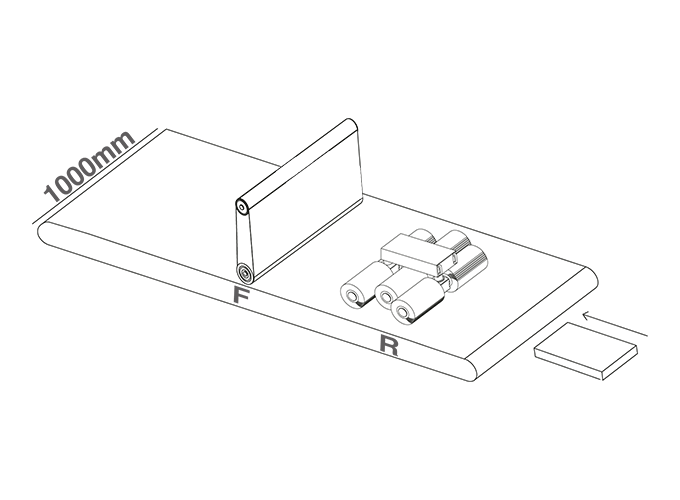
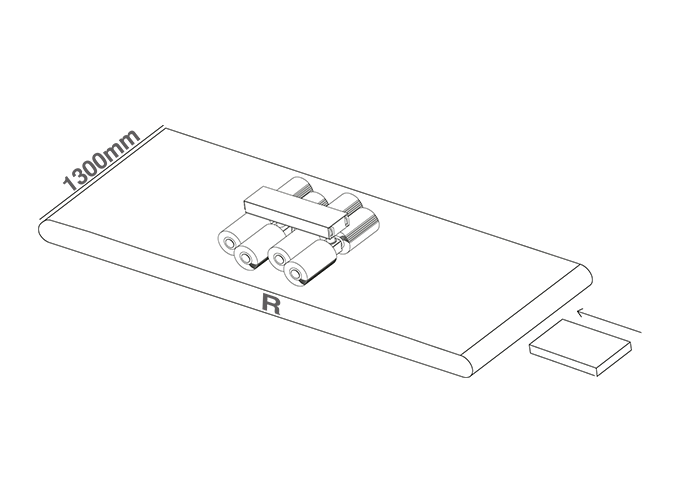
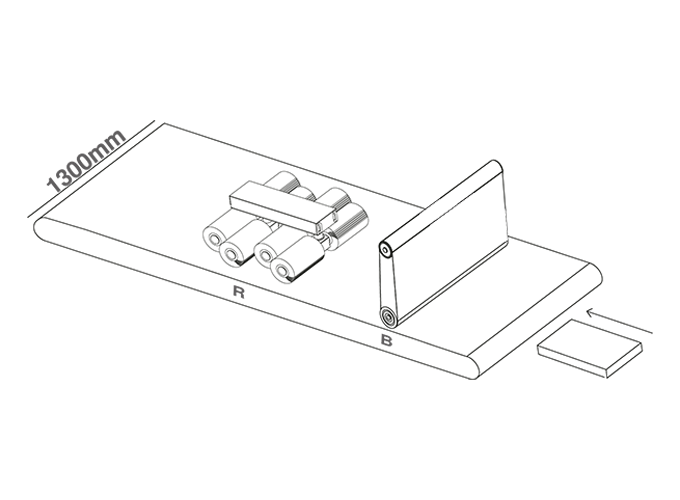
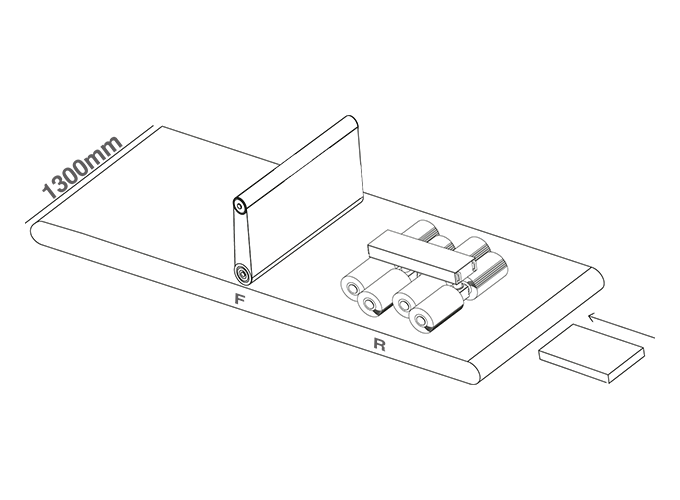
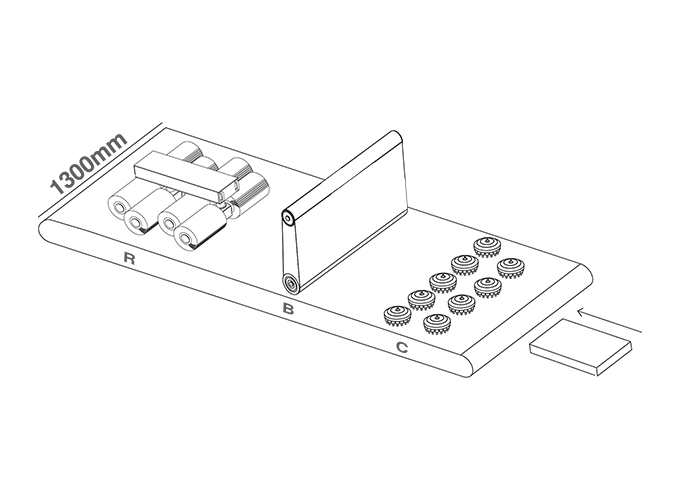
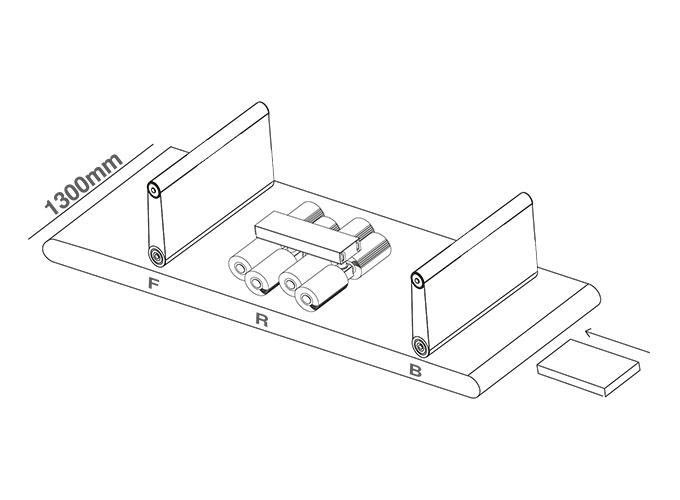
C-B-R-F Process Overview

Compare TFON Surfacer® process stations and their industrial applications.

Process What it does Search intent
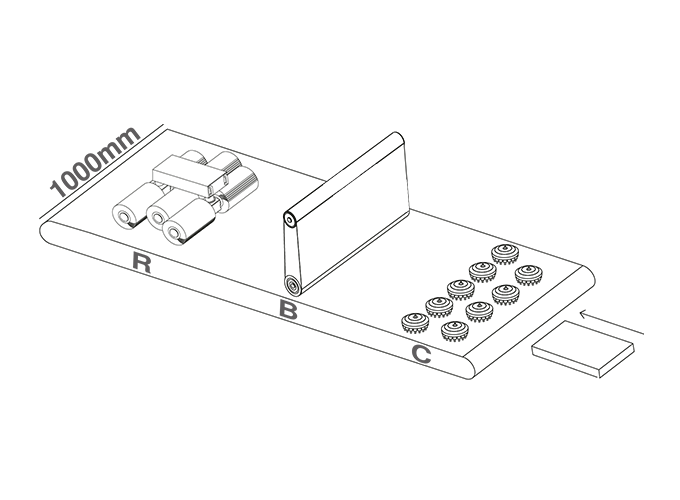
C — Heavy Deburring Removes thick, heavy and tenacious burrs from flame and plasma cut plate and structural steel, tackling the hardest deburring work in a single controlled pass. heavy deburring machine, steel plate deburring, structural steel finishing
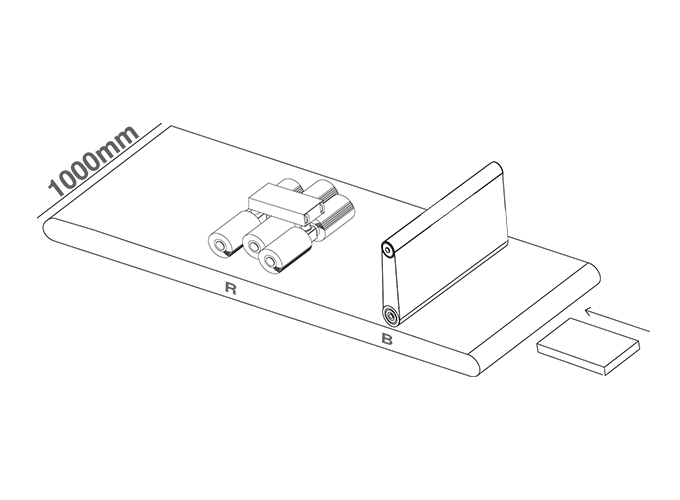
B — Standard Deburring Provides reliable, everyday burr removal for typical laser-cut and punched sheet metal edges, giving a clean, uniform result on the widest range of parts. deburring machine, sheet metal deburring, laser cut deburring
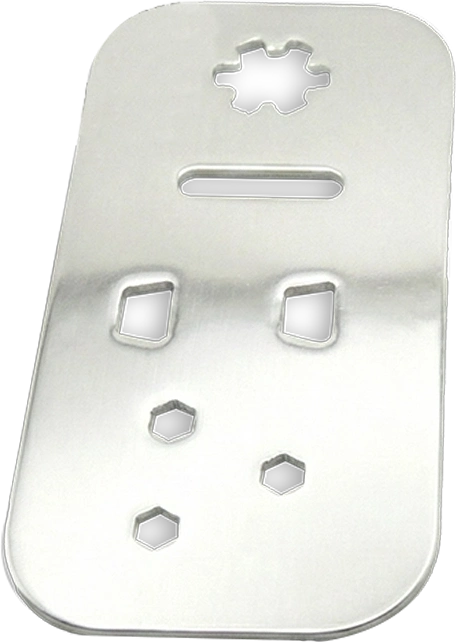
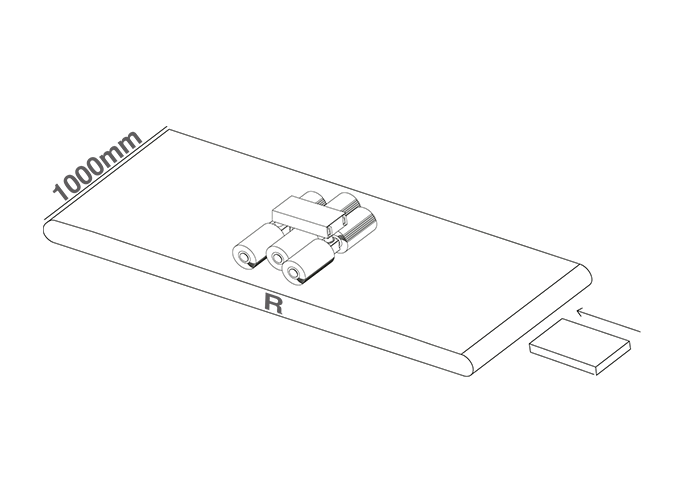
R — Edge Rounding Creates a defined, repeatable radius on cut edges for safer handling, better coating adhesion and higher assembly and finishing quality. edge rounding machine, metal edge rounding, radius edge preparation
R — Oxide Removal Strips the oxide and scale layer produced by thermal cutting so that welding and coating are applied to clean, contaminant-free base metal. oxide removal, descaling, thermal cut surface preparation
F — Finishing Refines and evens out the final surface with finishing brushes to deliver a consistent, high-quality appearance ready for the customer. deburring finishing machine, brush finishing, surface graining

Applications

Typical sheet metal deburring and edge preparation use cases.

  • Laser cut parts

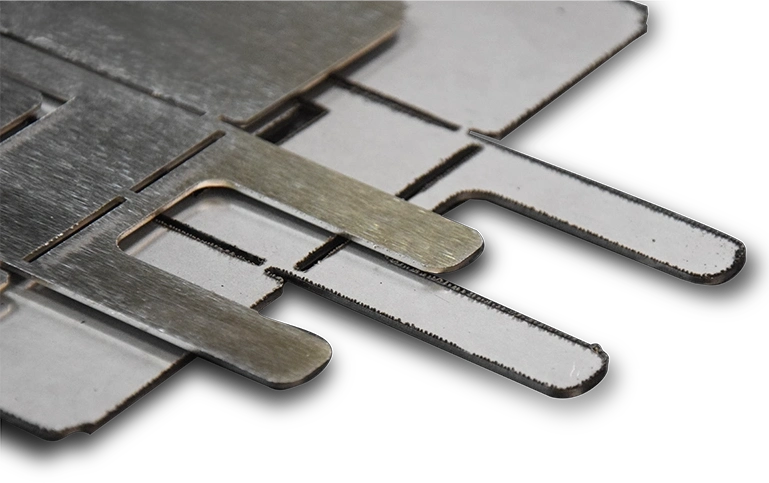
    Remove the fine burrs and thin oxide layer left along laser-cut contours and internal holes. TFON Surfacer® stations restore a clean, uniform edge on thin and medium-gauge sheet without hand finishing, keeping delicate geometries and small features intact.

  • Plasma & oxyfuel cut parts

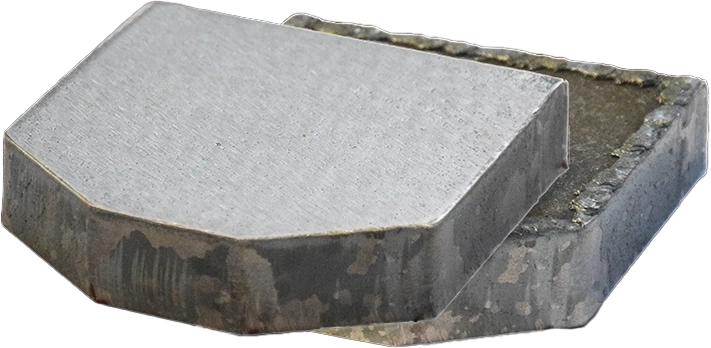
    Handle the heavier, harder burrs and dross typical of plasma and oxyfuel cutting on thicker material. Heavy deburring stations break down stubborn burrs on structural plate so that even 30–60 mm parts leave the line with a workable, safe edge.

  • Punched sheet metal

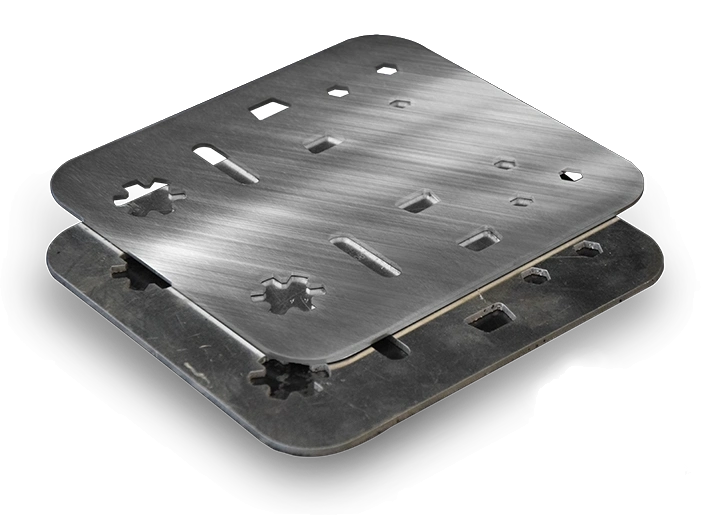
    Deburr punched holes, slots and outer contours evenly. Automatic processing removes the roll-over and sharp underside burr created by punching and nibbling, so stacked or nested parts no longer scratch or catch during handling.

  • Stainless steel parts

    Prepare clean, consistent edges on stainless steel for welding, food-grade equipment and visible architectural components. Correct brush and process selection preserves the surface while removing burrs and delivering a uniform, professional finish.

  • Heavy burr removal on thick plate

    Use dedicated heavy-deburring stations to process the thick, tenacious burrs found on structural steel and thick plate. The machine takes on the hardest deburring work that would otherwise require aggressive, time-consuming manual grinding.

  • Edge rounding before coating

    Create a controlled edge radius before painting, powder coating or galvanizing. A rounded edge holds coating far better than a sharp corner, preventing early edge corrosion and extending the service life of the finished part.

Automation & Line Integration

Recipe-controlled, servo-adjusted and line-ready deburring automation options.

  • AcTFON independent station movement

    Each process station can be positioned independently, so different edge conditions — heavy burrs, rounding, finishing — are handled in the correct sequence within one pass. This flexible configuration lets a single machine cover a wide mix of parts and materials.

  • T-Servo controlled adjustment

    Servo-driven positioning replaces manual hand-wheel setup with precise, repeatable and fully digital process control. Settings are exact every time, which removes guesswork and keeps results identical across shifts and operators.

  • The Eye — laser thickness measurement

    An integrated laser sensor automatically measures the thickness of each incoming part and selects the correct deburring parameters. The machine adapts on the fly to mixed thicknesses without any manual re-setup between parts.
  • PartTrack recipe system

    Store part-specific deburring recipes and recall them instantly for repeat orders. Once a part is dialled in, the exact same quality is reproduced months later — protecting your process know-how and eliminating repeated trial-and-error.

  • Barcode / QR triggering

    Scan a barcode or QR code and the line automatically loads and runs the correct recipe for that part. This links the deburring machine directly to your production planning and removes the risk of running the wrong settings.

  • Conveyor & line integration

    Return conveyors, side-shifting tables and motor-driven feeding systems connect the machine to the rest of your line. Parts flow in and out automatically, enabling single-operator or fully integrated, high-throughput operation.

Manual vs Automatic

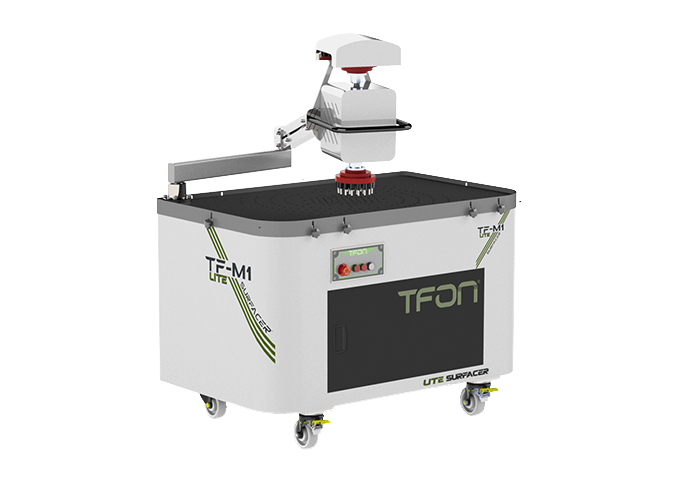
Criteria Manual / Lite Automatic Surfacer®
Best for Low volumes, prototypes, one-off parts Series production, mixed batches, integrated lines
Consistency Depends on the operator Recipe-controlled, identical every time
Throughput Lower, operator-paced High, continuous feeding
Edge rounding Possible but variable Defined, repeatable radius
Initial cost Lower Higher, with lower cost-per-part

Before / After

After
Before
After
Before
After
Before
After
Before
After After
Before Before
After After
Before Before
Technical Specifications
IProtect

Overload Protection

Equipped with Intelligent Overload Protection, the system monitors motor torque to detect abnormal resistance caused by thickness variations. It instantly reacts to discrepancies between the actual material and the screen settings, safeguarding the abrasive belt and contact drum from damage.

AutoSwing

Electropneumatic Oscillation Control

The Electropneumatic Oscillation Control provides a steady oscillating motion that prevents the abrasive belt from tracking off the drums. This ensures belt stability and extends the service life of the consumables.

AcTFON

Independent Station Movements

The Independent Station Movement system is our most distinctive engineering advantage. Unlike competitors who adjust thickness by moving the entire conveyor, our system utilizes independent servo-controlled stations that move vertically while the conveyor remains at a fixed height. This ensure maximum stability and allows for seamless integration into automated production lines.

T-Servo

Servo Position Control

The Servo Position Control system ensures high-precision movement of the stations with an accuracy of 0.1 mm. This level of control guarantees consistent results across different batches and allows for ultra-fine adjustments to achieve the perfect finish.

PART TRACK

Recipe System

The PartTrack Recipe Storage System is a solution designed for customers with a wide variety of parts. It stores part processing data in the machine’s memory, enabling easy access whenever needed. Instead of entering values one by one, it allows users to simply select the part name with a single touch, thereby increasing processing speed and efficiency.

THE EYE

Automatic Laser Thickness Measurement

The Automatic Laser Thickness Measurement system detects the material thickness and automatically updates the machine settings. This eliminates manual measurement errors and ensures a rapid, foolproof setup for every workpiece.

GATEWATCH

Thickness Error Prevention System

Equipped with a mechanical sensing system, the Overload Protection utilizes a limit switch located above the pressure roller to detect thickness anomalies instantly. If a part exceeds the thickness value entered on the screen, the system triggers an immediate halt to safeguard the abrasive belt and rubber-coated drum from impact damage.

VTOUCH

Touch screen

The user-friendly Touch Screen Control Panel allows for easy management of all machine parameters from a single station. It enables precise adjustments of station heights and conveyor speeds while enhancing operational efficiency through real-time monitoring and diagnostic alerts.

Customized options for your production line.

Customized options for your production line.

Image Processing Technology

Equipped with advanced image processing technology, Tfon Imagener® enables you to monitor all critical data in your production processes instantly. Key parameters such as weight, processing area, production efficiency, and operational performance can be tracked in real time, making your processes more transparent and easier to control. With its infrastructure that can integrate seamlessly with ERP and other production tracking systems, data is automatically transferred to digital platforms, allowing your production processes to be monitored end-to-end. This enables you to manage your operations more efficiently and make more accurate decisions by analyzing your production performance.

Balanced Feeding Unit

Thanks to the colored lights integrated into the machine’s conveyor inlet, the operator is visually guided to feed the part from the position that is most suitable for balanced consumption of consumables. This system ensures even distribution of consumable usage, especially in multi-part processing operations; it prevents unnecessary wear and waste, optimizes workflow, and increases overall production efficiency.

Automatic Calibration

Precision Calibration System for flap wheel station PreciFlap automatically performs station calibration. It informs the user about the remaining life of the flap wheel in percentage with flap wheel sander life tracking. It solves calibration-related problems by continuously monitoring the length of the mop brushes in the machine.

Caliper Reader System

Caliper Assisted Thickness Measuring System CaliSync technology ensures that the correct thickness values are accurately transferred to the machine, speeding up the measurement input process and preventing operators from inputting incorrect data.

Barcode Scanner System

ScanSync shortens the preparation time for machining by scanning barcodes that users have prepared for parts and saved in the part data system. ScanSync reads the barcode and automatically makes the necessary adjustments to the values on the machine interface, saving time and preventing operators from entering incorrect values.

Motor-Driven Feeding Conveyor

Designed to work in full integration with the machine, the motorized feeding conveyor offers height and speed adjustments perfectly synchronized with the machine. There are two conveyors, one at the front and one at the rear, each 1500 mm in length. Conveyor length can be increased or decreased according to production requirements.

Return Conveyor System

The return conveyor ensures that parts are transferred safely and efficiently to the operator’s side after processing. Height and speed adjustments work in perfect sync with the machine, enabling uninterrupted flow. Supports the ergonomic collection of both small and medium-sized parts.

Side-Shifting Conveyor

Side Shifting Conveying System carries processed parts out of the machine, where sensors detect their arrival and automatically activate the side-shifting conveyor belt. The parts are then transferred onto the return conveyor and brought back to the operator for easy unloading. It offers an efficient alternative to U-shaped return conveyors for layouts where floor space is limited, while supporting smooth material flow, reducing manual handling, and improving operator convenience.

What affects the machine price?

Configuration-based quoting depends on production requirements rather than a single list price.

  • Working width — the maximum part width the machine can process (for example 350 mm up to 1100 mm and beyond) directly drives the frame size, brush and abrasive width, drive power and therefore the overall investment.
  • Material thickness range — machines built to handle thin sheet behave very differently from those designed for 40–60 mm structural plate, affecting the frame, feed system and station specification.
  • Number and type of process stations — each added station (heavy deburring, standard deburring, edge rounding, oxide removal, finishing) increases capability and cost, so the price scales with how much the machine must do in one pass.
  • Automation level — servo adjustment, laser thickness measurement, recipe control and barcode triggering add convenience, speed and repeatability, and their inclusion is one of the biggest factors in final price.
  • Conveyor and return system — return conveyors, side-shifting and motor-driven feeding reduce manual handling and enable single-operator or line operation, but add mechanical and control complexity.
  • Custom production-line integration — connecting the machine to upstream cutting and downstream handling, along with any bespoke mechanical or software requirements, is quoted per project.

Frequently Asked Questions

Can the same machine deburr both aluminium and steel?

Yes. With the correct brush and abrasive selection and the right process settings, a TFON Surfacer® machine deburrs and rounds aluminium, stainless steel and mild steel. Because settings are stored as recipes, the machine switches between materials by loading the correct parameters, so each material gets the finish it needs without a lengthy manual re-setup.

What is a deburring machine?

A deburring machine removes burrs, breaks sharp edges, rounds corners and cleans the surface of cut metal parts without relying on manual grinding for each piece. TFON Surfacer® systems combine several independent process stations with servo adjustment and recipe control, so every part is processed with the same documented parameters. This replaces slow, inconsistent hand finishing with a repeatable industrial process that delivers uniform edge quality across an entire production run.

What is the difference between deburring and edge rounding?

Deburring removes the burrs, dross and sharp fragments left along an edge after cutting or punching, leaving it clean and safe. Edge rounding goes further and creates a controlled radius on the edge itself. That radius matters because a sharp corner cannot hold paint or powder coating well and tends to corrode first, whereas a rounded edge improves coating adhesion, part safety and durability. Many lines apply both in sequence within the same machine.

How does an automatic deburring machine improve quality?

Because the process is recipe-controlled and servo-adjusted, every part is deburred with identical parameters regardless of operator, shift or order size. Automatic thickness measurement adapts the machine to each incoming part, and stored recipes guarantee that repeat orders match the original. This removes the variation and human error of manual grinding, reduces rework and rejects, and lets you document and guarantee a consistent edge quality.

What affects the price of a deburring machine?

The main factors are working width, the material thickness range, the number and type of process stations, the level of automation (servo control, laser thickness measurement, recipe and barcode systems) and the conveyor or line-integration requirements. Because these are configured to your production rather than sold as a single list price, the most accurate figure comes from an engineering review of your parts, volumes and existing line.

Need help selecting the right automatic deburring configuration for your line?

Request engineering review