-
Contamination is the first constraint
Carbon steel particles carried over from shared tooling cause rust spots on stainless, so consumable separation is a process requirement rather than good practice.
-
Finish direction is part of the spec
Where a part has a grain or a required surface appearance, the process has to work with it, which limits which stations and consumables can be used.
-
Acceptance agreed before production
Stainless work is signed off against criteria set during sample testing, because opinions about an acceptable surface differ between suppliers and customers.
Why Stainless Is a Surface Problem, Not a Burr Problem
Contamination is the constraint most often underestimated. If stainless runs through tooling that has previously processed carbon steel, embedded particles can appear as rust spots weeks later on a part that left the factory looking perfect. Preventing that means dedicated consumables and a cleaning discipline, both of which have to be built into how the line is operated, not just how it is specified.
Surface direction is the second constraint. A part with a required grain or finish appearance cannot simply be run through whatever station sequence removes the burr fastest. The finish that leaves the machine has to be the finish the customer accepts, and that is a narrower target than it sounds.
TFON therefore configures stainless applications from tested samples and agreed acceptance criteria. Deburring, edge treatment and finishing are separate outcomes, and a given part may need one of them or all three.
Stainless Process Sequence
Matching burr removal, edge treatment and finish direction on stainless sheet.
| Process | What it does | Typical applications |
|---|---|---|
| Burr reduction | Removes the cutting or punching burr within the allowed surface tolerance | Laser and punched stainless where the face is inspected |
| Edge treatment | Breaks the edge to the profile agreed for handling, welding or coating | Fabricated assemblies and parts handled by operators |
| Finish stage | Produces the agreed surface appearance or grain direction | Visible stainless panels and specified architectural finishes |
Stainless Work That Reaches Our Test Lab
Cut stainless parts where surface condition matters as much as the burr itself.
-
Burr removal without surface damage
Take the cutting or punching burr off while staying inside what the surface specification allows, which is usually the binding limit.
-
Parts with a required grain
Where finish direction matters, the station sequence has to produce it rather than simply remove material in the fastest available way.
-
Food, medical and architectural work
Applications where surface condition is inspected and contamination is unacceptable, so consumable separation is verified rather than assumed.
-
Edge preparation before welding
Control the edge to suit the downstream weld or assembly, using criteria agreed during sample testing rather than a general edge specification.
Protecting Finish and Avoiding Contamination
Dedicated consumables, cleaning discipline and settings recall keep stainless output consistent.
-
Dedicated stainless consumables
Tooling that has touched carbon steel does not go back onto stainless. Separation is enforced by how the line is set up, not by operator memory.
-
Controlled heat input
Excessive abrasive heat discolours stainless. Feed speed and contact pressure are set to stay below that point and then recalled rather than re-estimated.
-
Finish-direction consistency
Where a grain is required, the station sequence and part orientation are fixed as part of the recipe so repeat orders match the approved sample.
-
Stored acceptance settings
Once a stainless part is approved, its settings are recalled exactly, which protects the agreed finish across shifts and repeat production.
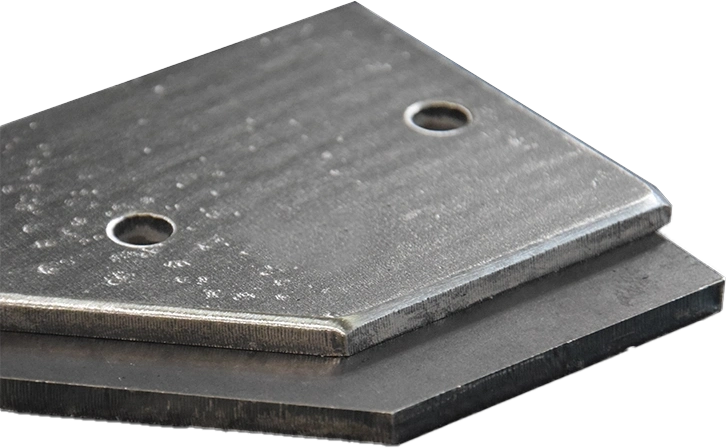
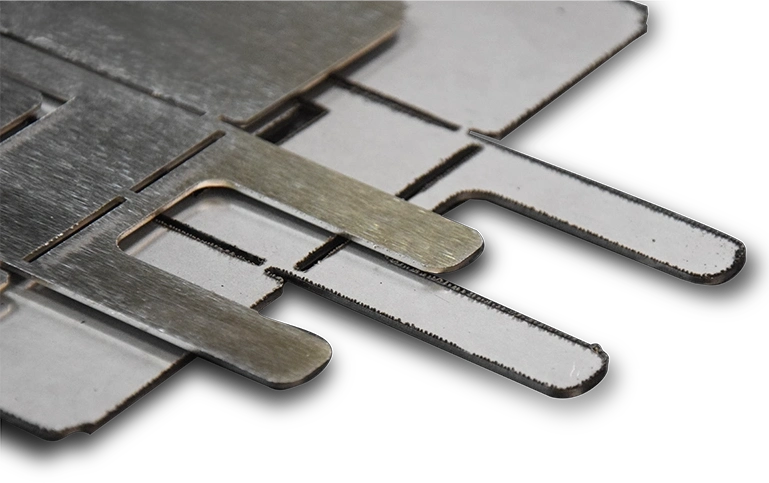
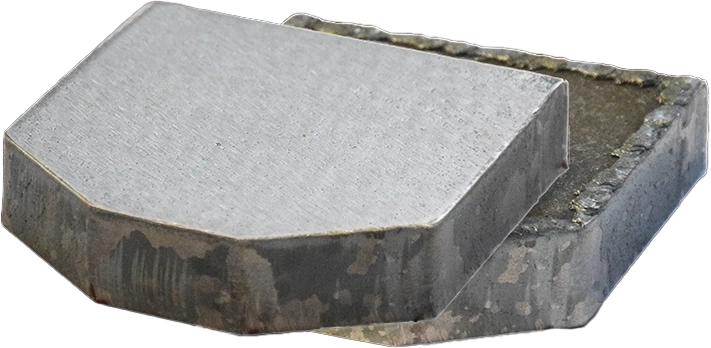
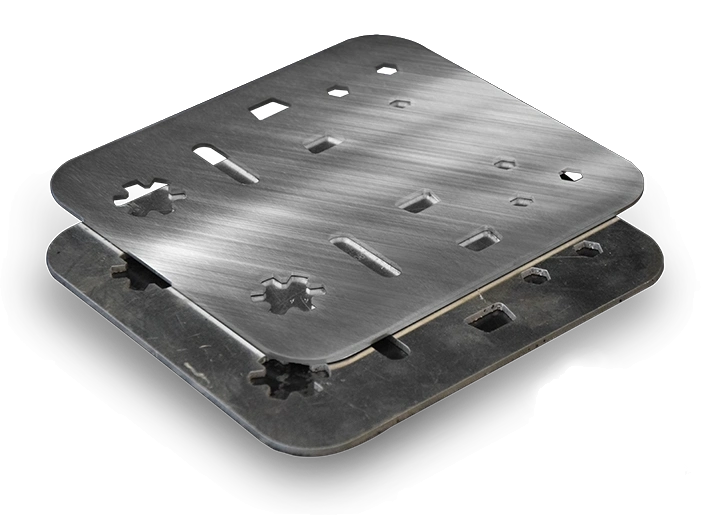
Before / After
What Changes the Cost of a Stainless Line?
Finish grade, contamination control and station count usually decide the stainless configuration.
- Required finish grade, which is the single biggest cost driver, because a cosmetic stainless surface needs more stations than a functional edge.
- Contamination control, since dedicated consumables and cleaning discipline add operating cost that should be quoted honestly at the start.
- Working width and thickness range, which set the frame, drive and feed specification before any stainless decision is made.
- Whether finish direction has to be produced and repeated, as this constrains the station sequence and the tooling that can be used.
- Extraction and cleaning requirements for the grades and volumes you intend to run.
- Number of stations needed to reach the acceptance criteria agreed during sample testing.
Stainless Steel Processing Questions
Can stainless and carbon steel share consumables?
Will the machine preserve a specified finish?
Why does heat matter on stainless?
Is deburring the same as finishing?
What should we send for a stainless review?
Send stainless samples and we will agree the acceptance criteria before quoting a configuration.
Send stainless samples