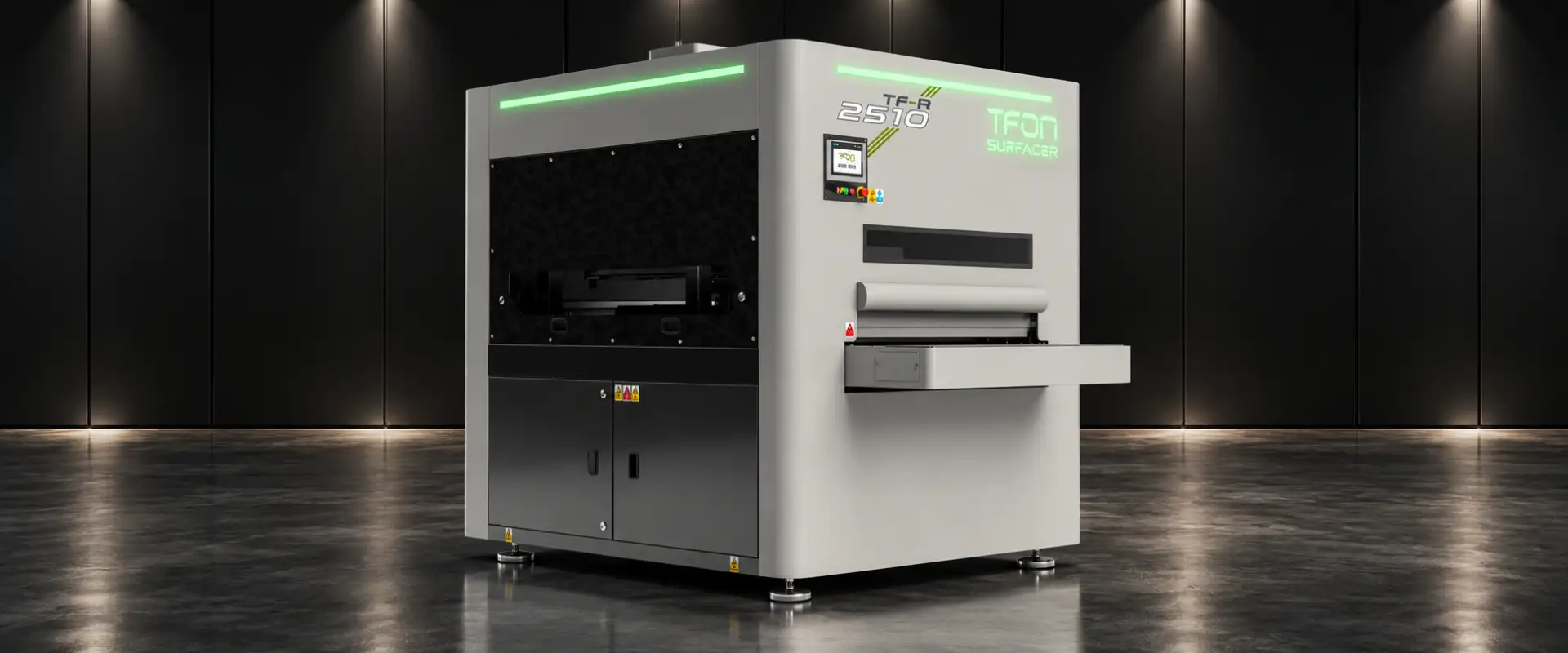
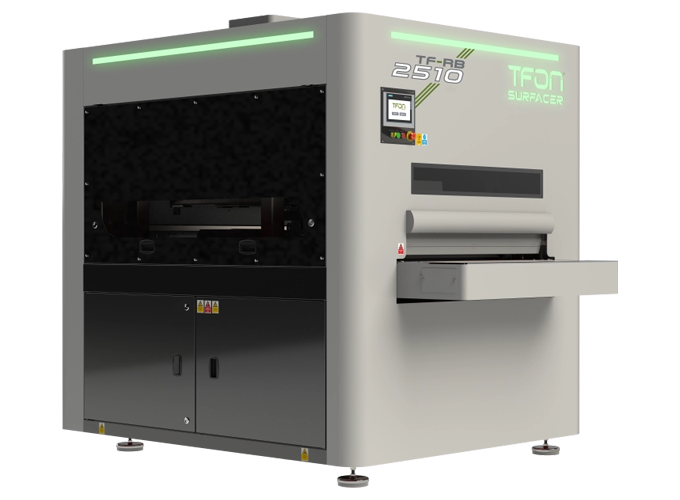
Deburring & Edge Rounding Machines
View models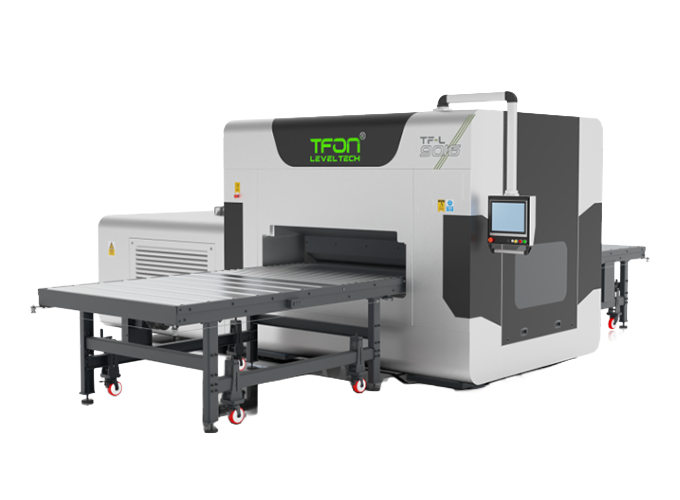
Leveling & Stress Relief Machines
View models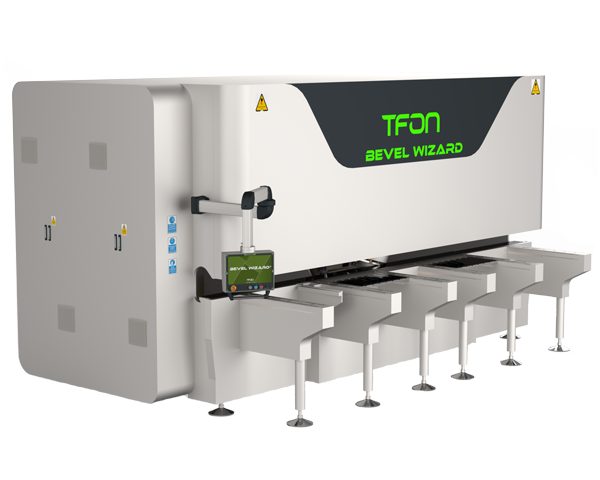
Plate & Sheet Metal Beveling Machines
View models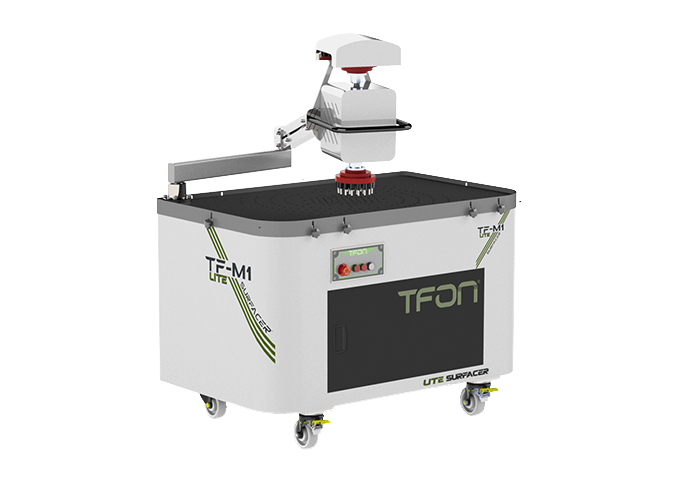
Manual Deburring & Edge Rounding Machines
View models
Automatic Deburring Machines for Sheet Metal Production
View models
Brush Deburring Machines for Sheet Metal
View models
Aluminum Deburring & Edge Rounding Machines
View models
Stainless Steel Deburring Machines
View modelsExplore the Process Behind the Machine
Understand what needs to change on your part before selecting a machine. Compare the purpose, selection inputs and acceptance requirements of each process.
Choose the Sheet Metal Processing Machine from the Production Problem
A cut sheet-metal part is not automatically ready for the next manufacturing operation. Laser cutting, punching, plasma cutting, oxy-fuel cutting and other processes can leave burrs, sharp edges, slag, oxide, surface conditions or distortion that affect coating, welding, bending, machining and assembly. TFON sheet metal processing machines address these different post-cutting and edge-preparation requirements through dedicated machine families.
The correct machine should not be selected from working width or material thickness alone. Cutting method, material, incoming burr or distortion, part geometry, required edge, surface acceptance, weld preparation, batch volume and downstream production step all influence the process. The selection therefore begins with one question: what must change on the part before it moves to the next operation?
Which TFON Machine Family Matches the Required Process?
| Production requirement | TFON machine family | Key selection inputs |
|---|---|---|
| Remove burrs, slag, sharp edges, oxide or prepare a controlled edge | Deburring & Edge Rounding Machines | Cutting method, material, thickness, burr/slag, target edge and production volume |
| Improve flatness of sheet, plate and cut parts | Leveling & Stress Relief Machines | Material, thickness, width, length, incoming distortion and required flatness |
| Create a controlled bevel or weld-edge geometry | Plate & Sheet Metal Beveling Machines | Drawing/WPS, material, thickness, bevel angle, root face, edge length and handling |
| Process prototypes, mixed parts, low-volume batches or rework manually | Manual Deburring & Edge Rounding Machines | Part geometry, burr, batch size, tooling, workholding and acceptance |
Deburring and Edge Rounding After Laser, Punch, Plasma and Oxy-Fuel Cutting
Different cutting processes create different edge conditions. A light laser-cut burr is not the same production problem as attached slag on a plasma- or oxy-fuel-cut plate. Deburring removes unwanted material left by cutting or punching, while edge rounding intentionally modifies the remaining sharp edge. Surface finishing or oxide treatment can be additional requirements rather than synonyms for deburring.
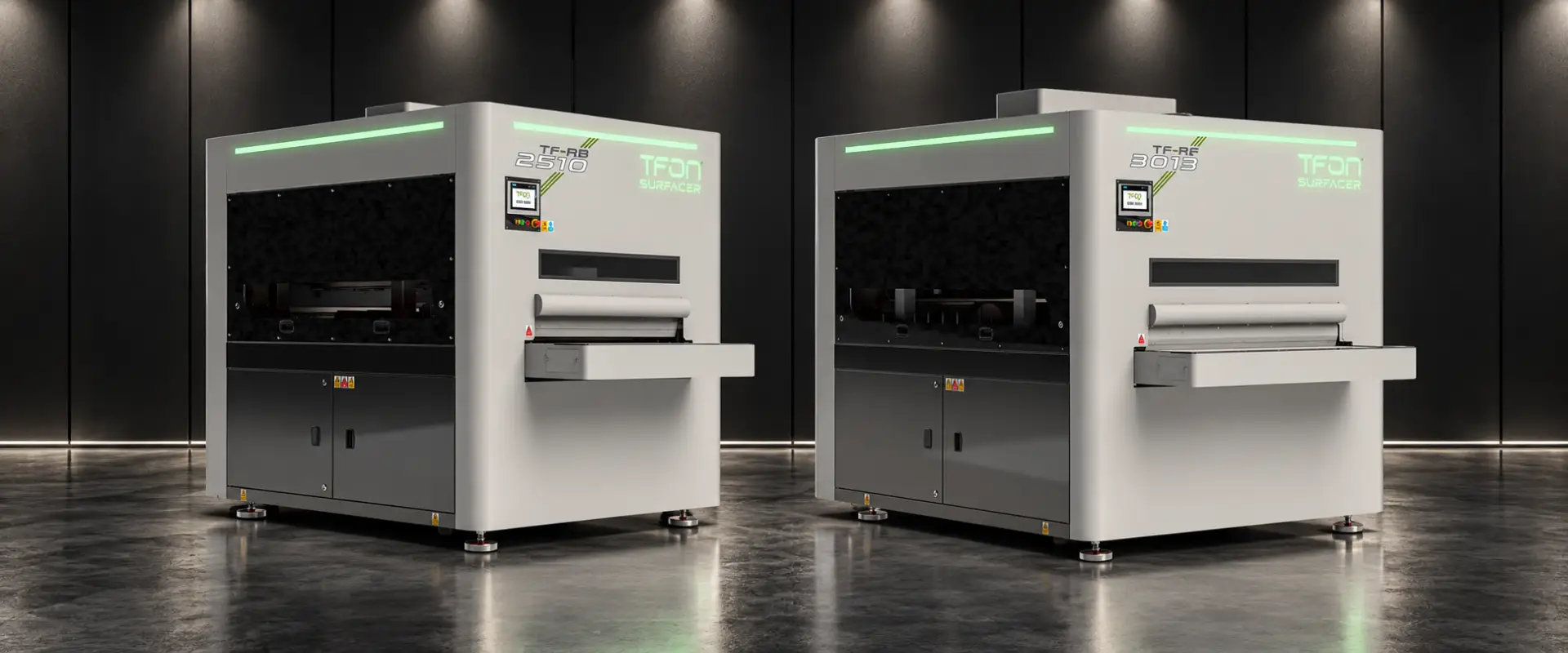
TFON Surfacer® systems should therefore be configured from the incoming part. A heavy removal stage may be required before flexible edge treatment on thermal-cut parts; holes, slots and internal contours may benefit from brush contact after planar burr removal. If surface appearance is part of acceptance, finishing should be specified as its own output.
See the complete deburring and edge rounding machine family for process selection.
Automatic Deburring for Repeat Production
Automation becomes valuable when the approved process must be repeated across known part numbers, production batches or shifts. Depending on the verified TFON configuration, automatic deburring systems can combine process stations, saved recipes, controlled positioning, part identification, measurement and conveyor handling.
These functions should be selected because they solve a specific production problem: reducing repeated setup, connecting a known part to an approved recipe, lowering manual parameter entry or integrating finishing with upstream and downstream material flow.
For this requirement, see automatic deburring machines for sheet metal production.
Brush Deburring for Holes, Slots and Contours
A flat abrasive belt primarily works on the surfaces it contacts. Flexible abrasive brushes can follow external edges, holes, slots and internal cut-outs. This makes brush processing particularly useful when the required output involves more than planar burr removal.
Brushes are not automatically the correct first stage for heavy burr or slag. The process sequence must be chosen from the actual incoming condition. Learn more on the brush deburring machine page.
Aluminum and Stainless Steel Require Material-Specific Process Control
Aluminum and stainless steel should not simply inherit the same abrasive assumptions as carbon steel. Aluminum may require careful contact pressure, surface protection, film handling and an installation-specific dust/extraction review. Stainless steel can require contamination control, dedicated consumables where necessary, and protection of a specified finish or grain direction.
- Aluminum Deburring & Edge Rounding Machines — select the process around burr removal, visible faces, film, holding and downstream finish.
- Stainless Steel Deburring Machines — define burr removal, contamination control, edge treatment and surface acceptance separately.
Sheet Metal Leveling Is a Different Process from Thermal Stress Relief
Cutting, punching and heat input can leave parts with bow, wave or local distortion. Mechanical roller leveling guides the workpiece through controlled alternating bends to improve flatness. It can reduce or redistribute residual stress associated with the distorted condition and can make parts more stable for subsequent welding, bending, machining or assembly.
Mechanical roller leveling and thermal stress-relief heat treatment serve different production needs. For a flatness requirement, the material, incoming distortion and inspection method determine the appropriate leveling trial. Any requirement for heat treatment must be assessed separately.
Select the machine from material, thickness, width, part length, incoming condition and the flatness required by the next operation. See TFON sheet metal and plate leveling machines.
Beveling Creates a Defined Geometry; Deburring Removes Unwanted Material
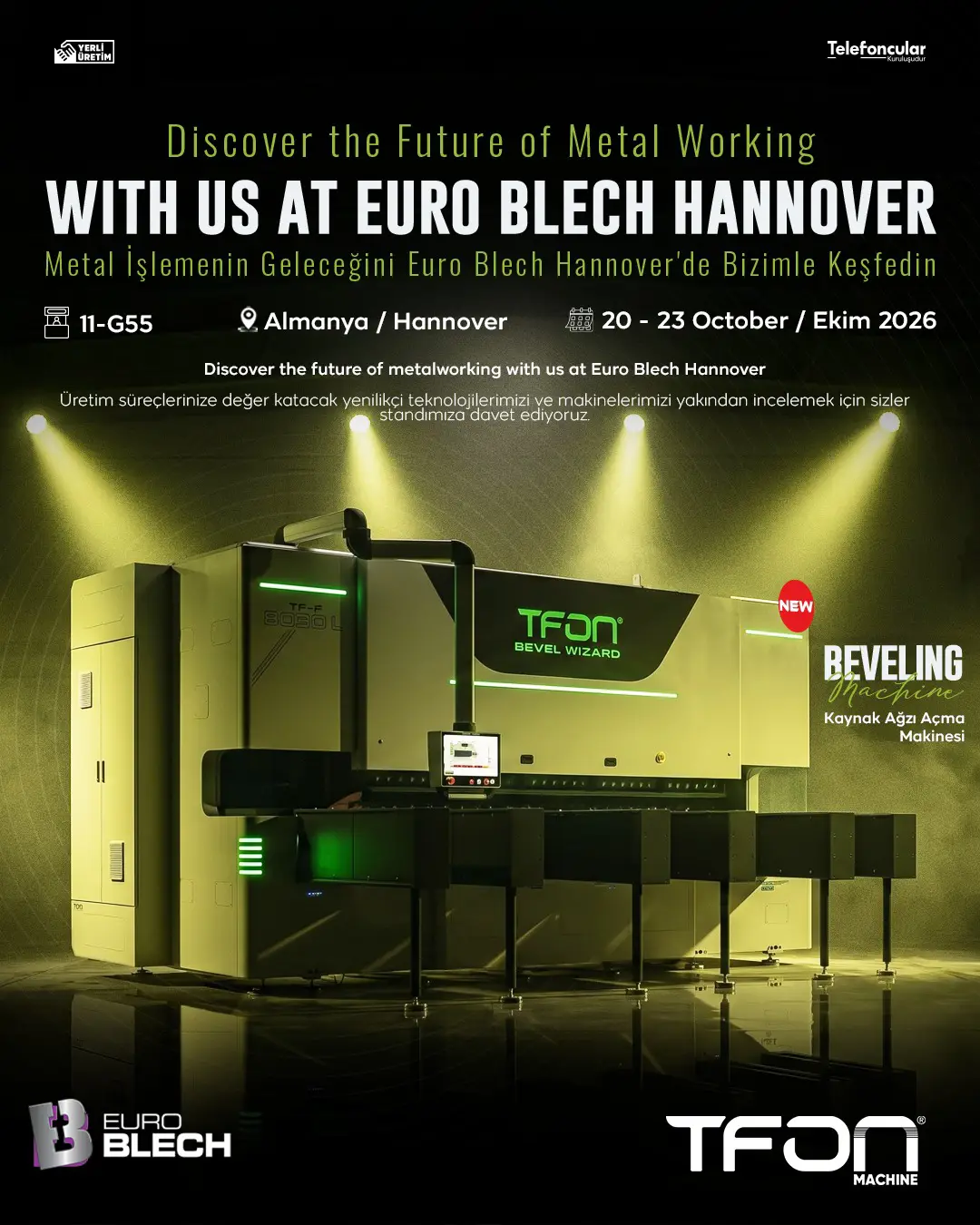
A beveling machine intentionally produces a chamfer or weld-preparation geometry. The required result can include bevel angle, root face, top or bottom preparation and a defined edge length. This is different from simply removing a cutting burr.
For weld preparation, the drawing or WPS should be reviewed before the machine configuration is selected. Material, plate thickness, part dimensions, handling method, bevel geometry and production volume all influence the correct TFON Bevel Wizard® concept.
Compare the plate and sheet metal beveling machines for this process.
When a Manual Deburring Machine Is the Better Choice
Not every factory requirement justifies a through-feed automatic system. Prototypes, mixed low-volume batches, irregular parts and rework often benefit from fast setup and direct operator control. A manual finishing station can provide dedicated tooling and workholding without forcing these parts through the same route as repeat production.
Manual processing is not automatically less controlled; the process still needs an approved tool, workholding method and sample result. The difference is that the operator remains a larger part of process control. See manual deburring and edge rounding machines.
Why Material, Cutting Method and Downstream Operation Matter
The same nominal thickness can require a different machine setup depending on how the part was produced and what happens next. Laser and punched parts can have smaller burrs and complex inner contours. Plasma- and oxy-fuel-cut parts may require stronger first-stage material removal. Stainless parts may be judged by contamination and finish; aluminum may be judged by surface marking and film protection.
The downstream process converts these observations into an acceptance criterion. A part going to powder coating may need a controlled edge condition. A welded component may need oxide or bevel preparation. An assembly part may primarily require consistent safe edges and flatness.
Working Width and Thickness Are Screening Values, Not the Entire Selection
Technical capacity tables are important because they identify which machine models can physically accept a part. They are not sufficient to define the correct process. Two parts of the same width and thickness can have different burrs, geometry, material, surface requirements and downstream operations.
Use the published model specifications to shortlist machines by part dimensions, then confirm the process with representative samples. Material strength, geometry, burr condition and the required result can change which configuration is suitable, even when two parts have the same nominal thickness.
What Should You Send TFON for an Engineering Review?
- Material and grade where known
- Minimum and maximum thickness
- Part width and length
- Laser, punch, plasma, oxy-fuel or other upstream process
- Photographs of burr, slag, distortion or required edge
- Target edge, surface, flatness or bevel geometry
- Visible/protected faces and protective film where applicable
- Downstream welding, bending, coating, machining or assembly process
- Batch size, parts per shift or production volume
- Conveyor, return handling, automation or line-integration requirements
Share your drawing, material, part dimensions and required result so TFON can review the appropriate machine family.
Request a machine selection reviewFrequently Asked Questions About Sheet Metal Processing Machines
What does TFON mean by sheet metal processing machines?
On this page, the term covers TFON machines for deburring, edge rounding, leveling, beveling and manual edge/surface finishing. It does not represent general CNC machining centers, lathes, milling machines, laser cutting machines or press brakes.
What is the difference between deburring and edge rounding?
Deburring removes unwanted material left by a cutting or punching operation. Edge rounding intentionally breaks or rounds the remaining sharp edge. A machine configuration can include both processes.
Is a sheet metal leveler the same as thermal stress-relief equipment?
No. Mechanical roller leveling and thermal stress-relief heat treatment are different manufacturing processes. Roller leveling is used to improve flatness and can reduce or redistribute residual stress associated with distorted parts.
How should a beveling machine be selected?
Use the drawing or WPS together with material, thickness, bevel angle, root face, edge length, top/bottom requirement, part handling and production volume. Thickness alone is not enough.
When should a manual deburring machine be used?
Manual systems can be appropriate for prototypes, rework, irregular geometries and mixed low-volume production where direct operator control and rapid setup matter more than automated throughput.
Can the same deburring machine process carbon steel, stainless steel and aluminum?
A verified configuration may support multiple materials, but tooling, cleaning, contamination control, surface protection and extraction requirements must be reviewed for the real production mix.
Why should we test representative parts before selecting the machine?
Nominal dimensions do not describe burr severity, geometry, surface sensitivity or distortion. Representative testing connects the machine configuration and tooling to an actual acceptance result.