Skip to content

Automatic Deburring Machines for Sheet Metal Production

  • Repeatable production

    Saved recipes and servo-controlled adjustment help apply approved settings to repeat orders.

  • Cut-part ready

    Configurable stations for laser-, punched, plasma- and oxy-fuel-cut parts, depending on configuration.

  • Line integration options

    Infeed/outfeed conveyors and identification options can support material flow after cutting.

  • Engineering review

    Process suitability is confirmed from part samples, burr condition and the required edge result.

Advanced filters
Max. Material Width (mm)
Processes

What an Automatic Deburring Machine Does

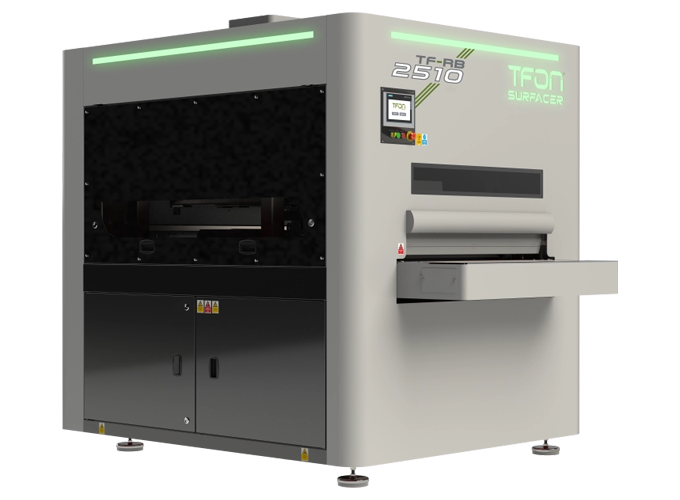
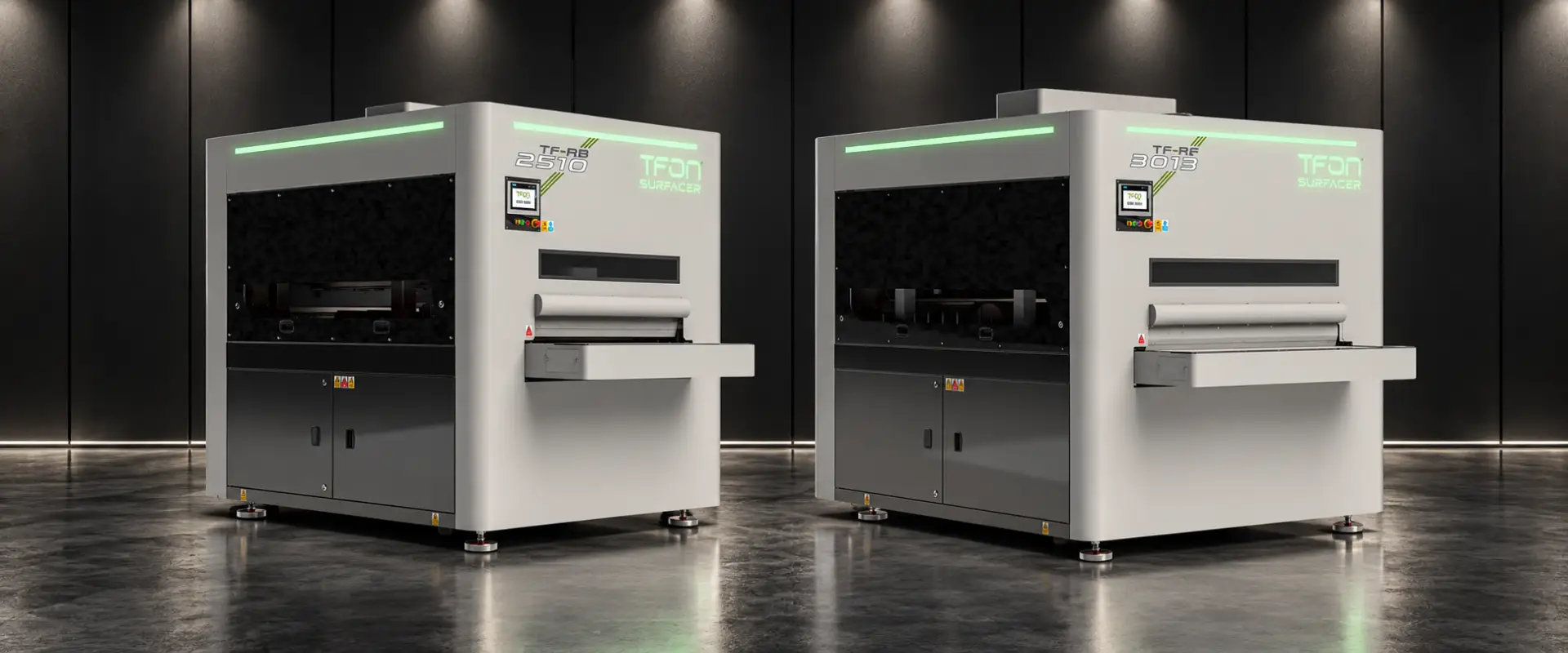
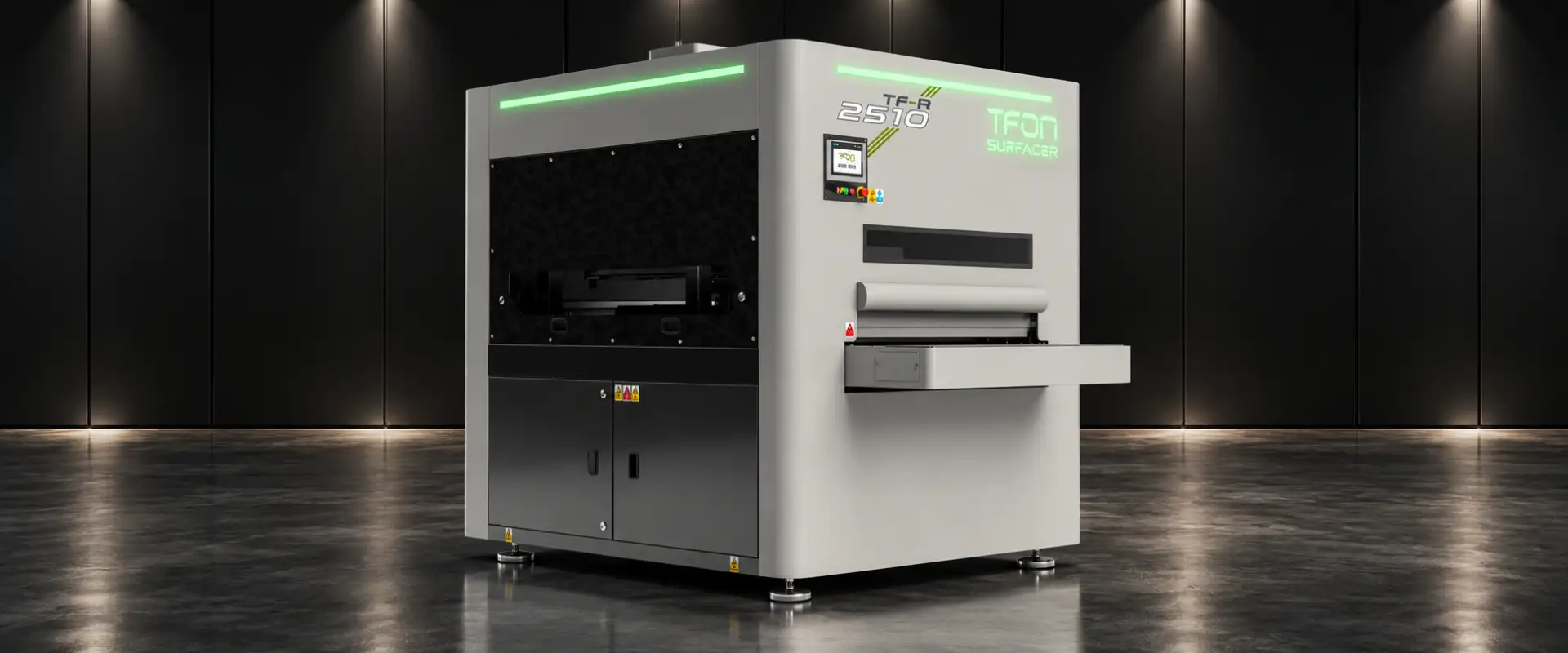
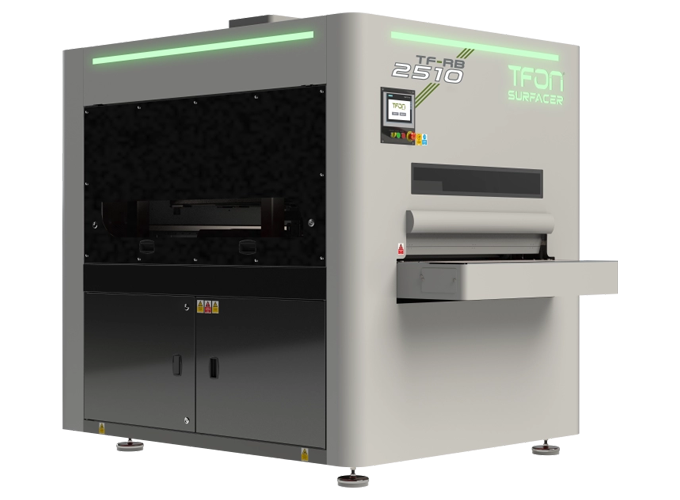
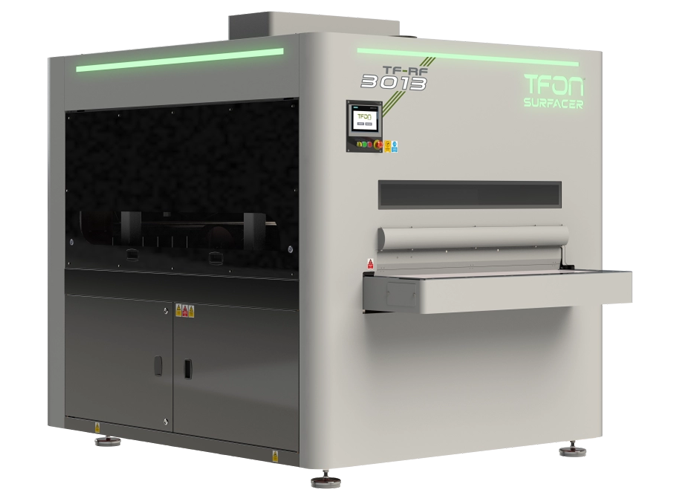
TFON Surfacer® automatic deburring machines turn burr removal, edge rounding and surface preparation into a controlled production process. Configurable processing stations, automatic thickness measurement, servo-controlled adjustment, stored recipes and material-handling options help manufacturers process repeat orders and mixed part batches with consistent settings. The system can be configured for laser-cut, punched, plasma-cut and oxy-fuel-cut parts, depending on the burr, slag, material, thickness, part geometry and required edge result.

Rather than treating deburring as a separate manual correction after cutting, an automated system makes it part of the production flow. This helps reduce repetitive hand grinding, improve consistency between operators and prepare parts for the next operation, such as coating, welding, bending or assembly.

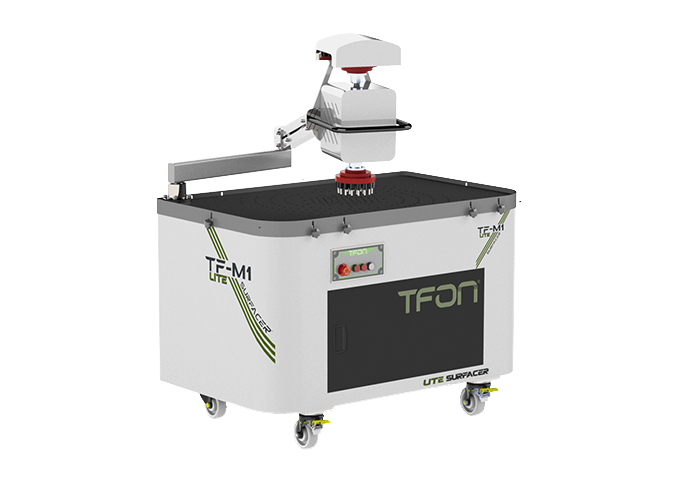
An automatic deburring machine uses controlled abrasive and brush processes to remove unwanted material from cut or punched metal parts. Depending on the selected station configuration, the same production system may be used for heavy burr or slag removal, fine deburring, edge rounding, oxide-layer removal and surface finishing.

Automatic operation is most valuable when a manufacturer needs repeatability, higher daily throughput, reduced manual handling or integration with an existing cutting and material-flow system. For low-volume work, prototypes or highly varied small parts, a manual deburring machine may still be the more practical choice.

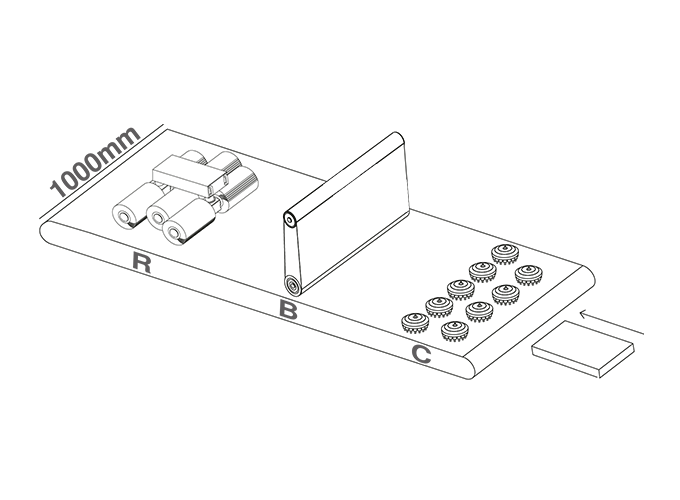
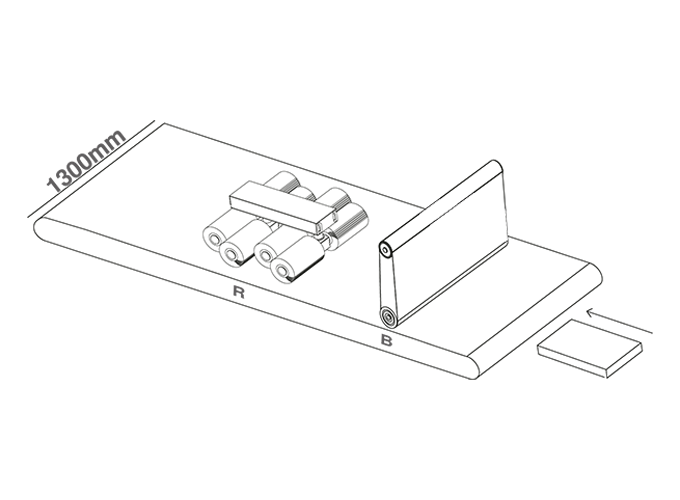
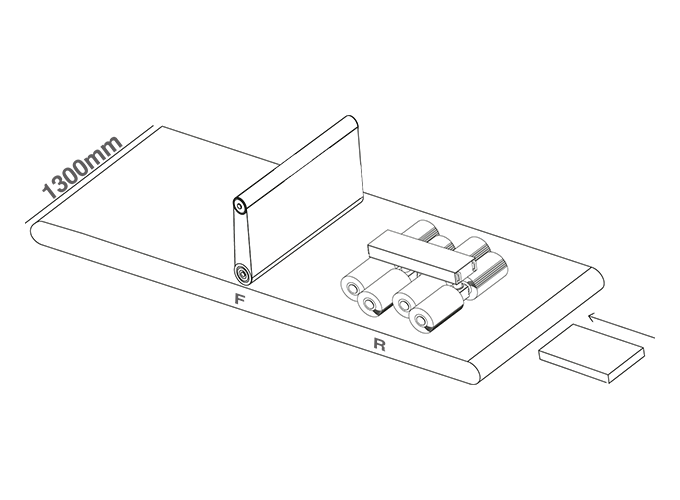
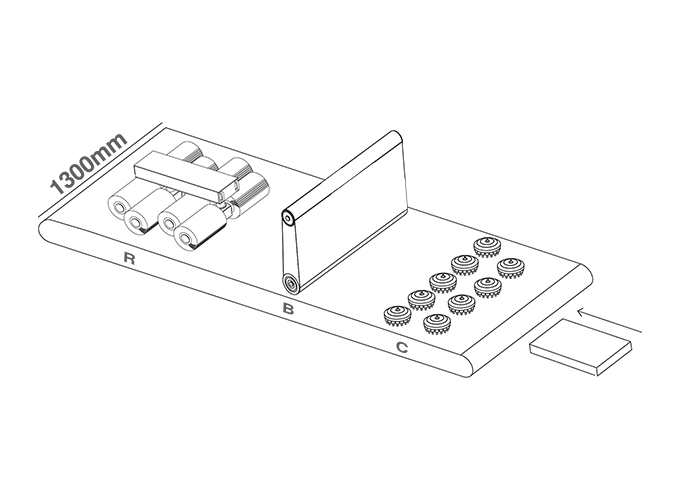
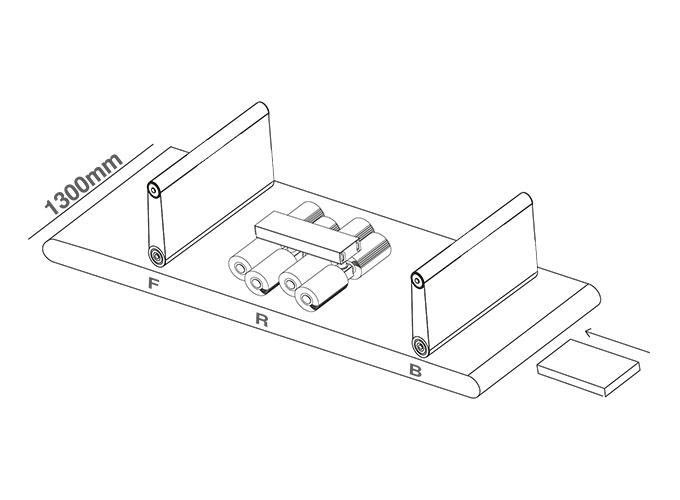
C-B-R-F Process Overview

Compare TFON Surfacer® process stations and their industrial applications.

Process What it does Typical applications
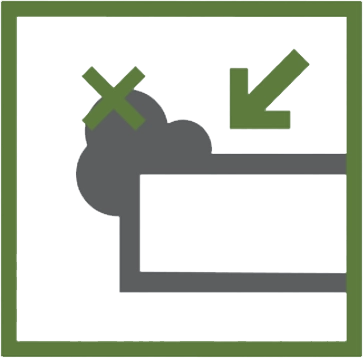
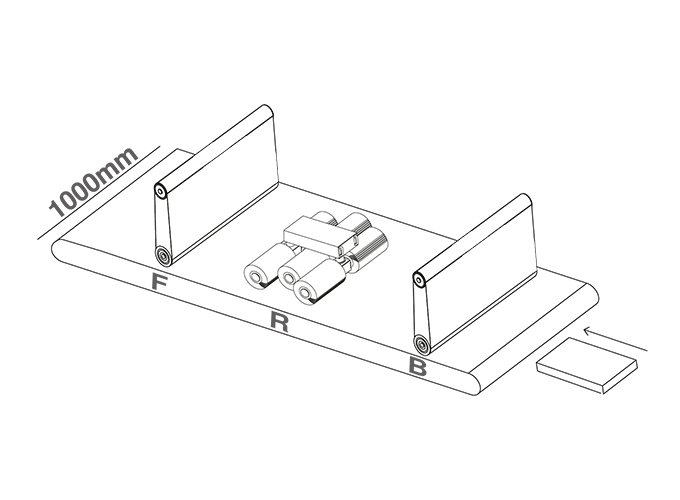
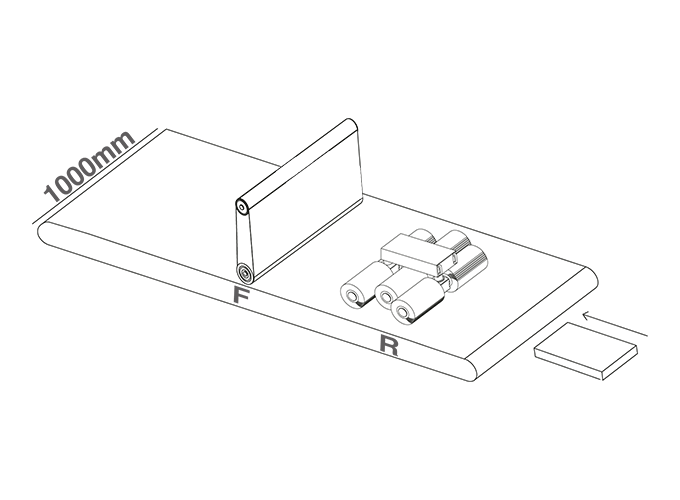
C — Heavy deburring Removes strongly attached burrs, slag or dross before finer processing Plasma- and oxy-fuel-cut parts; demanding thermal-cut applications
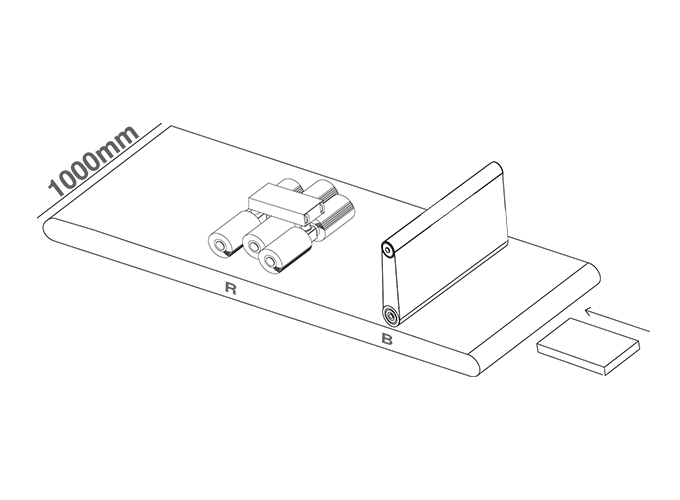
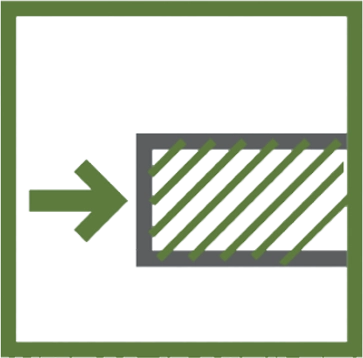
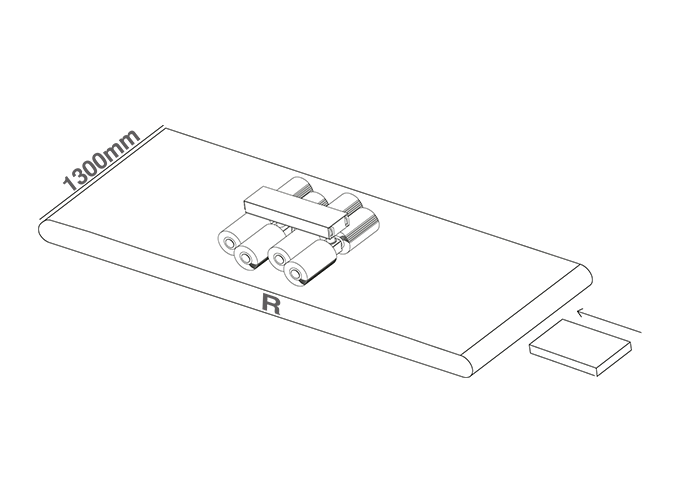
B — Deburring Removes common cutting or punching burrs with a controlled abrasive process Laser-cut and punched sheet-metal parts; general burr removal
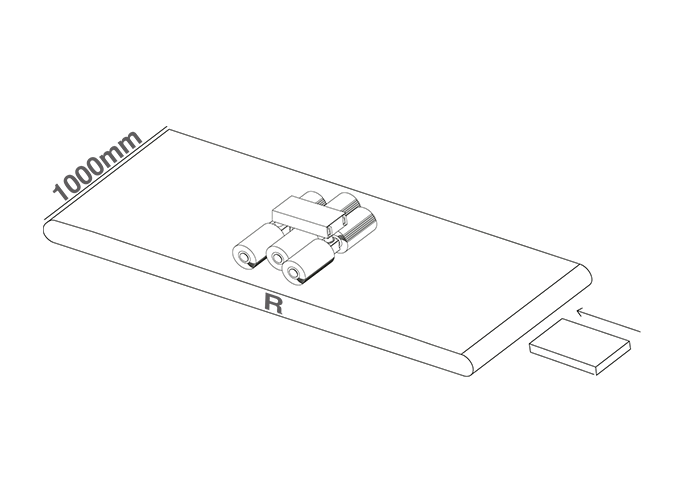
R — Edge rounding and oxide removal Breaks sharp edges, processes contours and can support oxide-layer removal depending on tooling Parts prepared for coating, safer handling, welding or assembly
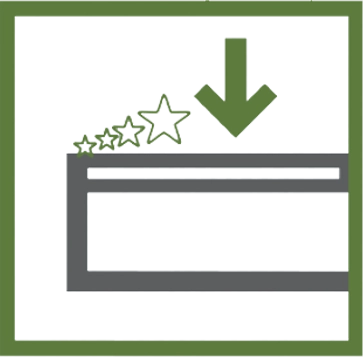
F — Surface finishing Produces a more uniform surface appearance or final preparation stage Visible parts, coating preparation and defined finishing requirements

Applications

Typical sheet metal deburring and edge preparation use cases.

  • Laser-cut parts

    Remove remaining burrs, break sharp edges and prepare surfaces for coating, welding or assembly after precise laser cutting.

  • Punched parts

    Process burrs around lower edges, holes and contours with a more uniform result across repeated batches.

  • Plasma- and oxy-fuel-cut parts

    Evaluate heavy burr, dross or slag removal before fine deburring or edge rounding on thicker thermal-cut plate.

  • Carbon steel, stainless steel and aluminum

    Review holding method, consumable selection, dust strategy and finish requirement for the actual material and configuration.

  • Coating preparation

    Combine deburring with controlled edge rounding and oxide removal when relevant before powder coating or painting.

  • Mixed batches and repeat orders

    Use saved recipes, automatic measurement and identification options to reduce repeated manual setup.

Automation & Line Integration

Recipe-controlled, servo-adjusted and line-ready deburring automation options.

  • Automatic thickness measurement

    Helps the machine establish the correct processing reference for the incoming part and reduces manual setup when batches change.

  • T-Servo controlled adjustment

    Servo-controlled positioning allows process settings to be adjusted accurately and recalled as part of a saved recipe.

  • The Eye part recognition

    Where available, visual recognition can support part identification and process preparation according to the selected system.

  • PartTrack

    Part tracking can help maintain the correct processing sequence and connect the physical part to the selected recipe or production order.

  • Barcode or QR-based recipe selection

    A barcode or QR workflow can reduce manual parameter entry by loading an approved recipe for a known part or order.

  • Conveyor and line communication

    Infeed and outfeed conveyors can support continuous material flow between cutting, deburring and downstream operations when the interface and safety concept allow it.

Manual vs Automatic

Decision factor Manual deburring Automatic deburring
Production volume Suitable for low-volume, prototype or irregular work Suitable for repeated batches and higher daily throughput
Setup Flexible for one-off parts More structured setup with repeatable recipes
Consistency Depends strongly on operator technique Process settings can be controlled and repeated
Labor Requires direct handling and tool use Reduces repetitive hand grinding and handling
Integration Standalone manual operation Can be configured for conveyors or production cells
Investment Lower initial equipment level Higher system investment with automation potential
Best choice Varied workshop tasks and small quantities Repeat production, process control and line integration

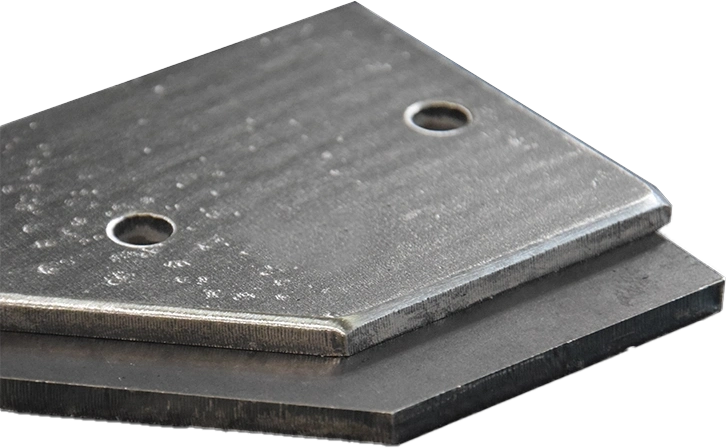
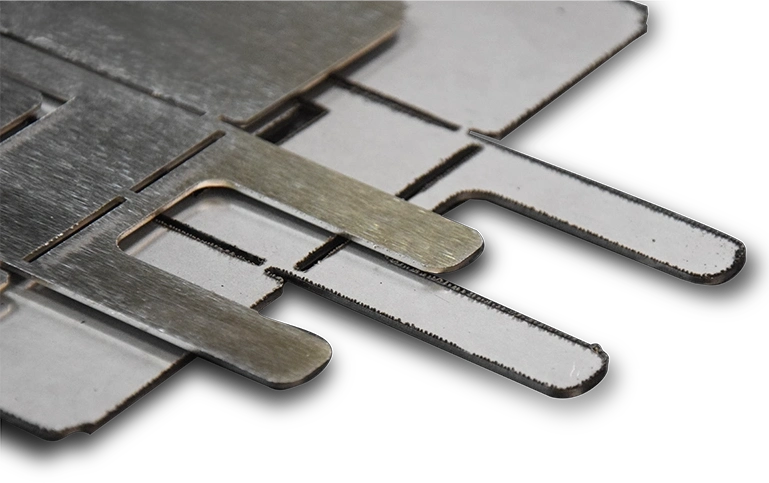
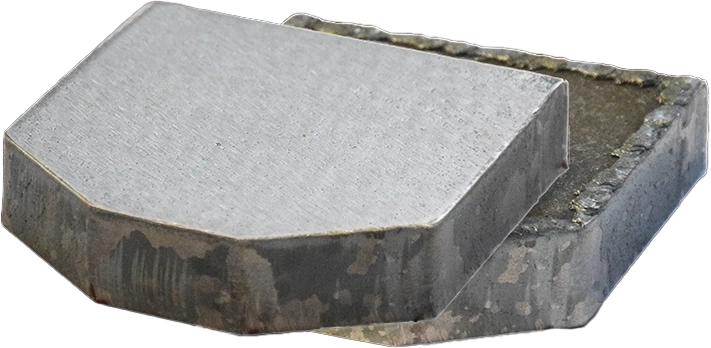
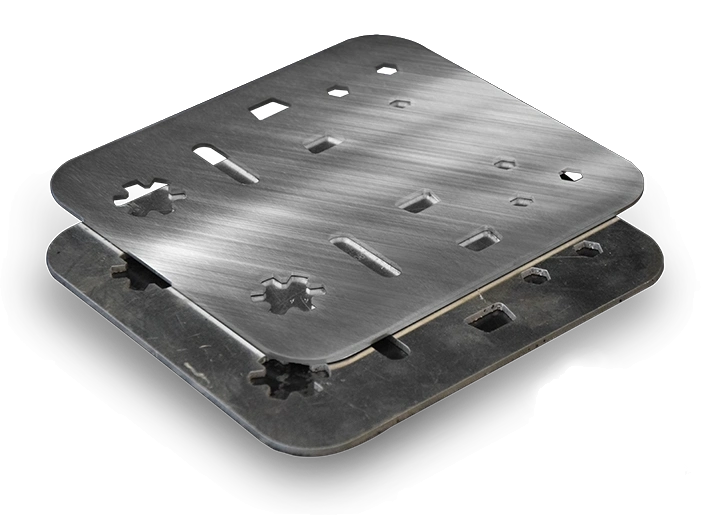
Before / After

After
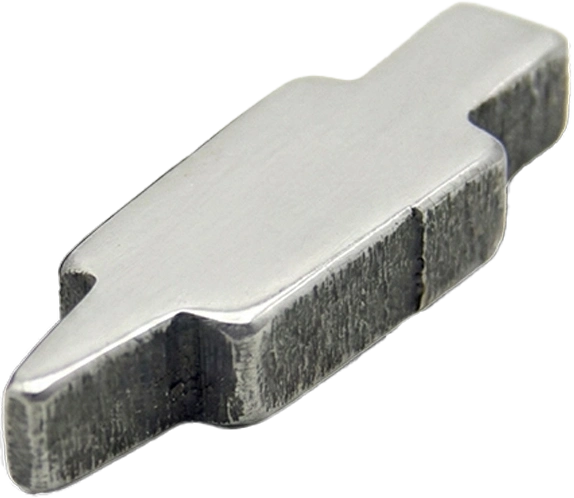
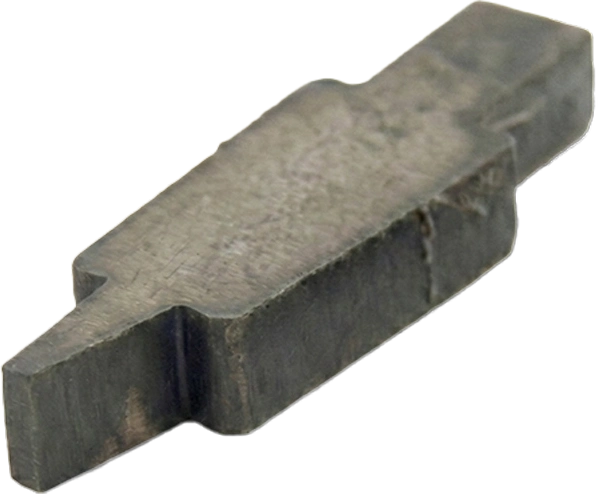
Automatic Deburring Machines for Sheet Metal Production — before and after edge preparation, sample 1
Before
After
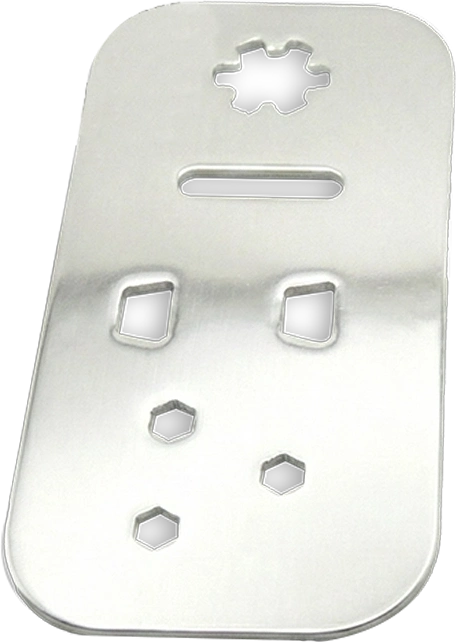
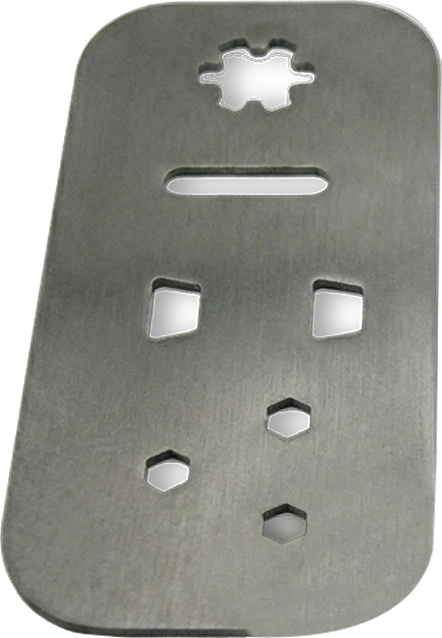
Automatic Deburring Machines for Sheet Metal Production — before and after edge preparation, sample 2
Before
After
Automatic Deburring Machines for Sheet Metal Production — before and after edge preparation, sample 3
Before
After
Automatic Deburring Machines for Sheet Metal Production — before and after edge preparation, sample 4
Before
After After
Before Before
After After
Before Before

What affects the machine price?

Configuration-based quoting depends on production requirements rather than a single list price.

  • Working width — the maximum part width the machine can process (for example 350 mm up to 1100 mm and beyond) directly drives the frame size, brush and abrasive width, drive power and therefore the overall investment.
  • Material thickness range — machines built to handle thin sheet behave very differently from those designed for 40–60 mm structural plate, affecting the frame, feed system and station specification.
  • Number and type of process stations — each added station (heavy deburring, standard deburring, edge rounding, oxide removal, finishing) increases capability and cost, so the price scales with how much the machine must do in one pass.
  • Automation level — servo adjustment, laser thickness measurement, recipe control and barcode triggering add convenience, speed and repeatability, and their inclusion is one of the biggest factors in final price.
  • Conveyor and return system — return conveyors, side-shifting and motor-driven feeding reduce manual handling and enable single-operator or line operation, but add mechanical and control complexity.
  • Custom production-line integration — connecting the machine to upstream cutting and downstream handling, along with any bespoke mechanical or software requirements, is quoted per project.

Frequently Asked Questions

What is an automatic deburring machine?

An automatic deburring machine processes cut or punched metal parts with controlled abrasive and brush stations. It can remove burrs, break sharp edges and, depending on the configuration, support heavy slag removal, oxide removal or surface finishing.

Which cut parts can be processed?

Typical applications include laser-cut, punched, plasma-cut and oxy-fuel-cut parts. Suitability depends on part geometry, material, thickness, burr condition, holding method and required result. TFON should confirm the application through an engineering review and sample test.

Can one machine deburr and round edges?

Yes, a multi-station configuration can combine deburring and edge rounding. Additional stations may be selected for heavy slag, oxide removal or finishing. The exact station sequence must match the incoming part and target output.

What is the difference between an abrasive belt and a brush process?

An abrasive belt is generally used for controlled material removal and burr reduction. Brush systems can process edges and contours and may be used for edge rounding or oxide removal depending on the tooling. The correct combination is application-specific.

Can the machine process mixed material thicknesses?

Automatic measurement and saved recipes can support changing production batches, depending on the selected model and automation package. The permitted thickness range and setup procedure must be taken from the verified machine specification.

Should deburring be wet or dry?

Wet and dry systems have different process, extraction, cleaning and maintenance requirements. The correct method depends on the material, application, finish and factory environment. Only describe a wet or dry option if the selected TFON model supports it.

Can an automatic deburring machine connect to conveyors or robots?

Conveyor and automation integration is possible where the machine, control interface, material flow and safety concept are designed for it. Robotic or cell-based systems should be reviewed as an engineering project.

What determines the price of an automatic deburring machine?

Price depends on the working width, station sequence, process technology, automation functions, holding and conveyor options, extraction requirements, integration scope and service package. TFON should issue a quotation after reviewing the actual parts and production requirements.

When is a manual machine the better choice?

A manual machine can be more practical for prototypes, low-volume work, highly varied small parts or workshops that do not need automated material flow. Repeat production and higher throughput generally create a stronger case for automatic processing.

Need help selecting the right automatic deburring configuration for your line?

Request an engineering review