

How a Sheet Metal Leveling Machine Improves Production Quality
Flatness problems in sheet metal can affect almost every stage of production. Laser cutting, punching, heat treatment and material storage may create internal stress, waves or unwanted deformation in sheets and metal parts. When these irregularities are not corrected, manufacturers may experience difficulties during welding, bending, assembly and surface finishing.
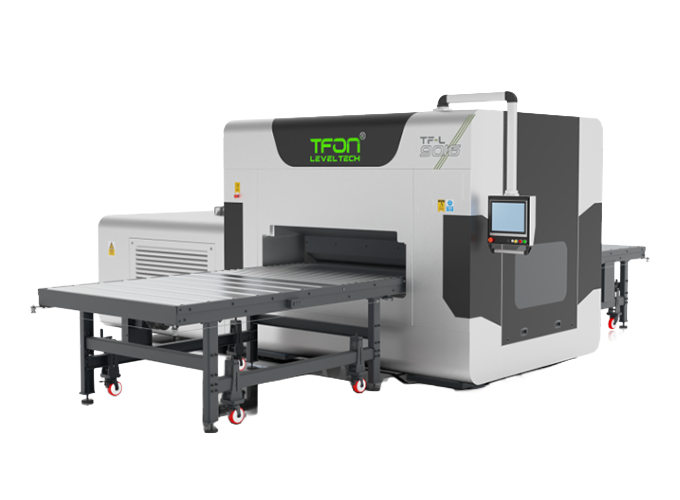
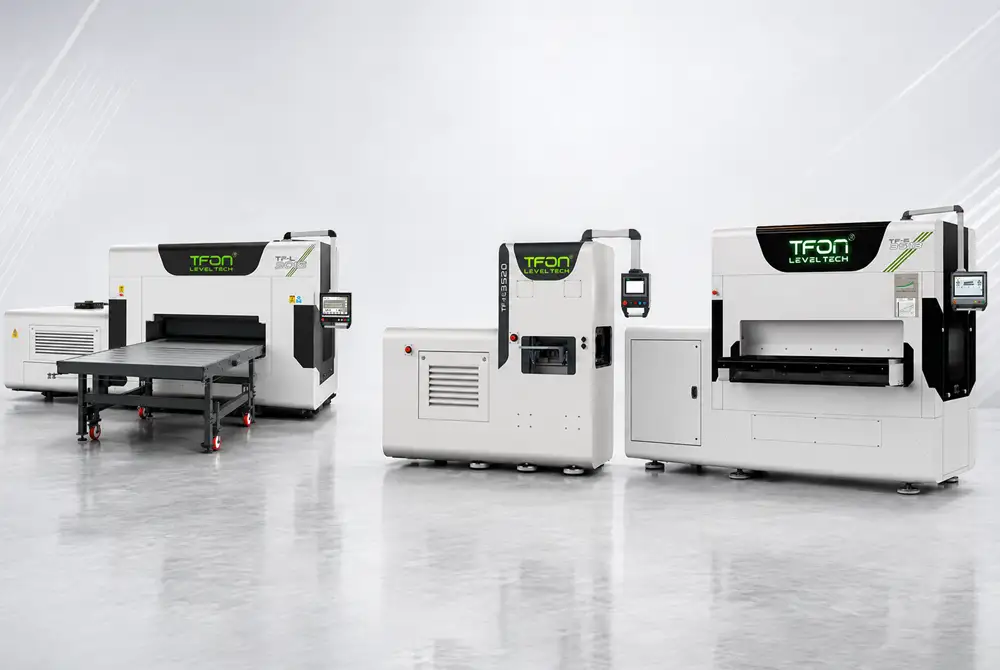
A sheet metal leveling machine helps eliminate these problems by guiding the material through a precisely controlled roller system. TFON develops leveling solutions designed to improve material flatness, reduce internal stress and prepare components for the next production stage with more consistent results.
Why Use a Sheet Metal Leveling Machine?
Manual correction methods can be slow and difficult to standardize, especially when production includes different part sizes and material thicknesses. A properly configured leveling system provides a more controlled process and reduces the need for repeated adjustments or rework.
TFON leveling machines can process sheets, plates and cut parts across a wide thickness range. By applying controlled pressure through the leveling rollers, the system redistributes internal stress and corrects deformations in the material.
This process can provide several practical advantages:
Improved flatness across the complete part
More accurate results during bending and welding
Easier positioning during assembly
Reduced production rejects and corrective work
More consistent quality between different batches
For manufacturers working with laser-cut, plasma-cut or punched components, leveling can become an important quality-control stage rather than an additional finishing operation.
Precise Control for Different Materials
The performance of a sheet metal leveling machine depends on its ability to maintain the correct roller gap throughout the process. TFON uses controlled positioning and servo-hydraulic technologies to keep this gap stable while the material moves through the machine.
The four-point positioning system allows the leveling gap to be managed from independent points, helping achieve precise results across the full working width. Real-time pressure and motor torque monitoring also protects the system against incorrect thickness entries and unexpected overloads.
TFON machines include PC-based touchscreen controls that allow operators to monitor critical processing information from a single interface. Frequently used parameters can be saved through the recipe system and recalled for repeat orders. This reduces setup time and helps prevent mistakes caused by manual data entry.
Optional barcode and thickness measurement systems can further simplify preparation. Once the relevant part information is scanned or measured, the required settings can be transferred directly to the machine interface.
More Reliable Production Process with TFON
Leveling does more than improve the visual appearance of a metal part. A flat and stress-relieved component is easier to position, weld, bend and assemble accurately. It can also reduce unexpected deformation during later production stages.
TFON offers optional feeding and discharge conveyors for long or heavy components, as well as automatic roller access systems that make cleaning and maintenance easier. Smart feeding options distribute parts across the roller width, helping balance wear and extend maintenance intervals.
Choosing the right sheet metal leveling machine requires evaluating material type, thickness, part dimensions, deformation level and production capacity. TFON develops different machine configurations for thin sheet applications, medium-thickness components and heavy industrial plates.
With accurate process control and production-specific configuration, TFON helps manufacturers achieve flatter components, reduce rework and create a more predictable workflow from cutting to final assembly.