Skip to content

Brush Deburring Machines for Sheet Metal

  • Reaches contours and hole edges

    Flexible abrasive filaments follow the part profile, so internal cut-outs and hole edges receive contact that a flat belt never makes.

  • Works after material removal

    A brush station is normally placed behind a belt or heavy-deburring stage, so the burr is already reduced before the edge is treated.

  • Selected from sample parts

    Filament type, grit, contact pressure and rotation speed are confirmed against your own cut parts before the configuration is quoted.

Advanced filters
Max. Material Width (mm)
Processes

When a Brush Station Is Used

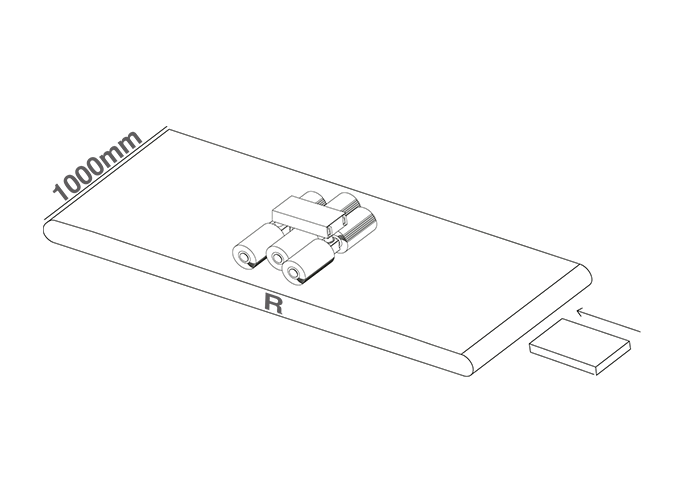
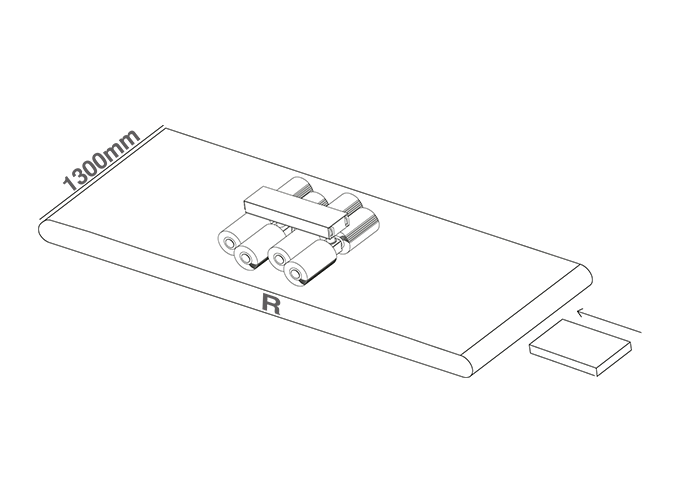
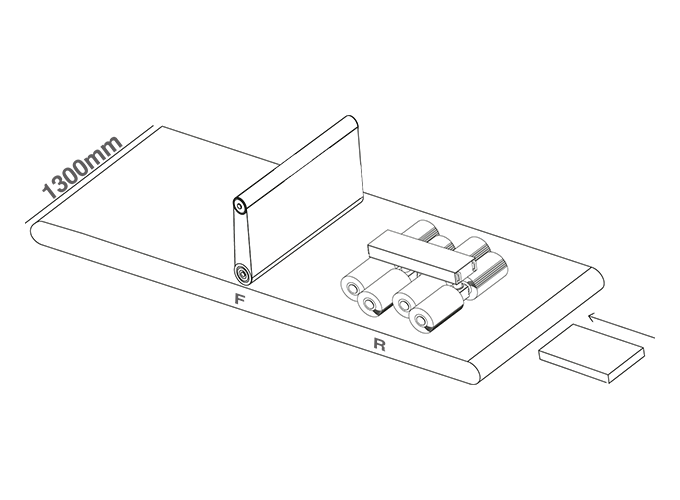
A brush deburring machine processes edges with flexible abrasive filaments instead of a rigid contact surface. That flexibility is the whole point: the tool bends around the part profile, so external edges, internal cut-outs and hole edges all receive contact. A belt cannot do this, because a belt only touches what sits in its plane.

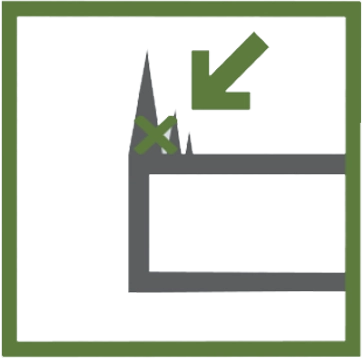
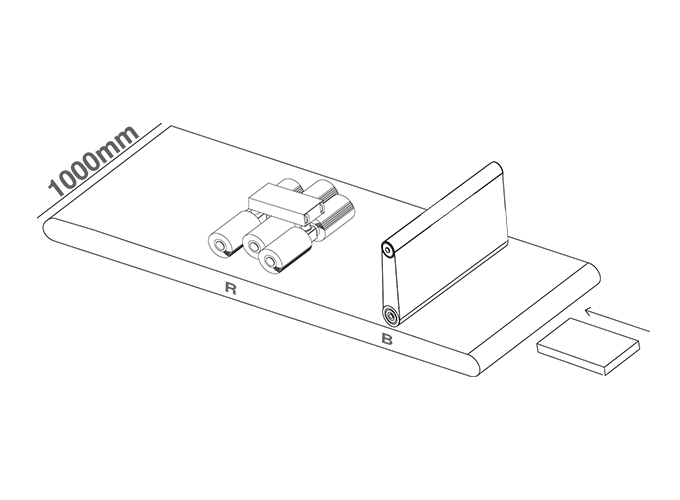
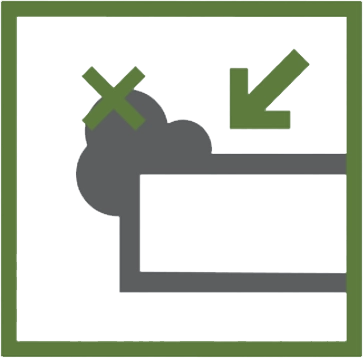
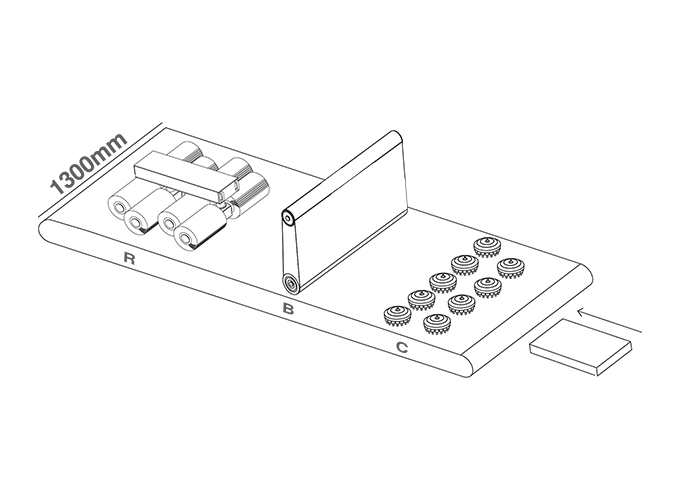
The practical consequence is that a brush is rarely the first stage. When a part arrives with a strong laser or punching burr, the burr should be reduced by a belt or heavy-deburring station first. The brush then works on the edge that is left, and that is where a controlled broken or rounded profile is created. Asking a brush to do both jobs at once usually means slow throughput, fast consumable wear and an inconsistent edge.

Brush tooling is also the stage that decides how a part looks and behaves afterwards. Where a coated part needs oxide removed or a surface prepared before painting, that work belongs to a brush or finishing station in a Surfacer® sequence, selected from the tooling that has been tested on your material.

Belt and brush are complementary, not competing. The correct question is not which one is better, but in which order they should run for the burr condition you actually have.

Belt Stage or Brush Stage?

How abrasive belts and flexible brush tools divide the work inside one Surfacer® pass.

Process What it does Typical applications
Belt stage first Reduces the incoming burr with rigid, planar abrasive contact Strong laser, plasma or punching burrs that a brush would only polish
Brush stage second Treats the remaining edge, hole edges and contours with flexible contact Edge breaking, contour access and pre-coating preparation
Brush stage only Light edge treatment where there is little or no burr to remove Fine sheet, secondary operations and already-deburred parts

Where Brush Tooling Earns Its Place

Edges, holes and contours that a straight belt contact cannot reach cleanly.

  • Hole edges and internal cut-outs

    Filaments enter openings and follow the cut profile, which is the main reason a brush is specified over an additional belt pass.

  • Controlled edge breaking

    Sharp cut edges are taken back to a repeatable broken or rounded profile once the incoming burr has already been reduced.

  • Oxide layer before coating

    Where the selected tooling supports it, a brush stage can prepare thermally cut surfaces so that paint or powder adheres predictably.

  • Second-stage finishing

    Placed behind heavy deburring, the brush turns an aggressive first pass into an acceptable final edge in the same machine cycle.

Controlling a Brush Station

Brush wear, contact pressure and station height decide whether a brush result stays repeatable.

  • Brush wear compensation

    Filaments shorten as they work. Station height has to follow that wear, otherwise the edge result drifts across a shift without anyone noticing.

  • Contact pressure control

    How hard the filaments press into the part determines the edge, not how long the part is in the machine. Pressure is set per recipe and repeated.

  • Station sequencing

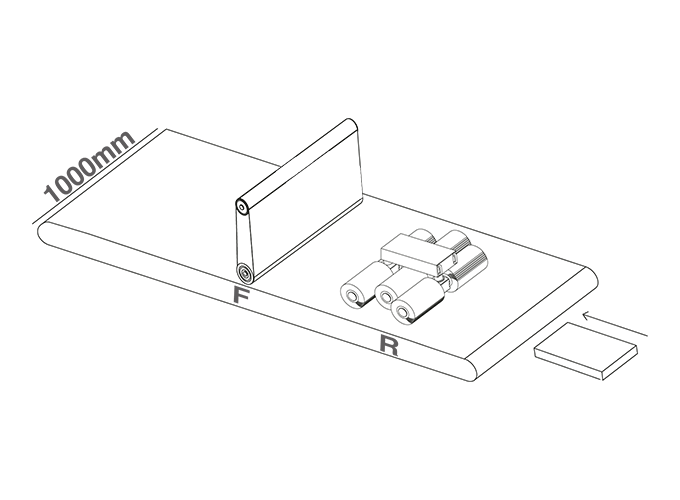
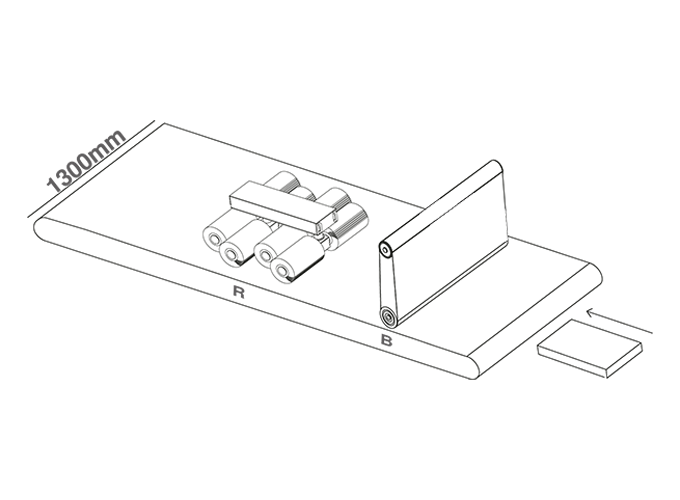
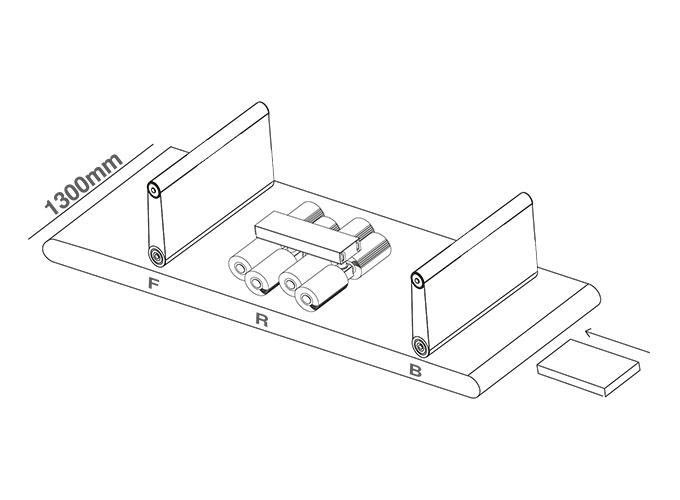
    Each station can be positioned independently so a belt pass and a brush pass run in one direction of travel instead of two separate cycles.

  • Recipe recall for repeat parts

    Once a brush setting is approved for a part, it is stored and recalled, which protects the process when the operator changes.

Belt-First or Brush-First Sequence

Question to answer Belt-first sequence Brush-first sequence
Incoming burr Strong, attached burr from cutting or punching Little burr; part is already deburred or lightly cut
Main risk Over-removal if the belt is too aggressive for the sheet Slow processing and rapid filament wear on a heavy burr
Edge result Edge is created after the burr is reduced Edge is worked directly, with limited correction possible
Hole edges Belt cannot reach them; the brush stage handles it Reached immediately, which is the reason to choose this order
Consumable cost Belt takes the wear; brushes last longer Brushes absorb the burr and are replaced more often
Typical use Most laser and plasma cut production work Secondary finishing and light-gauge parts

Before / After

After
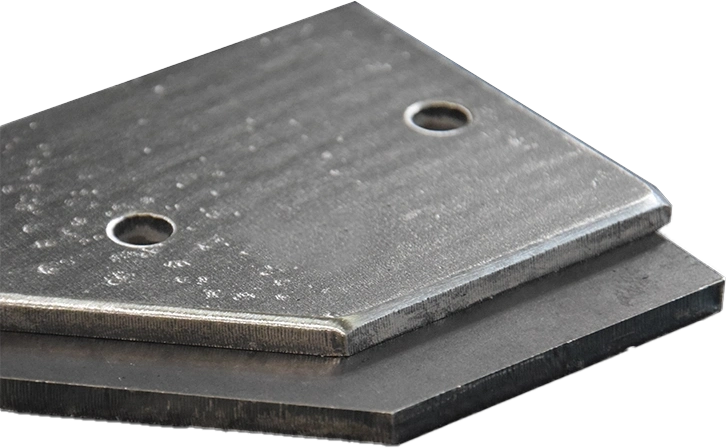
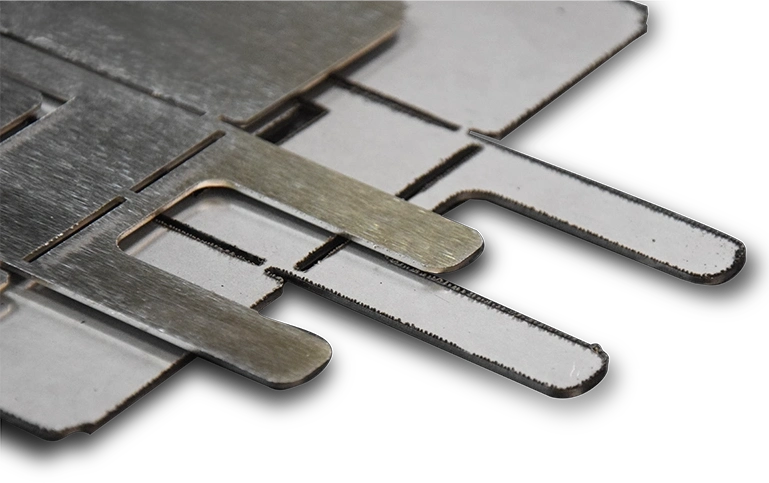
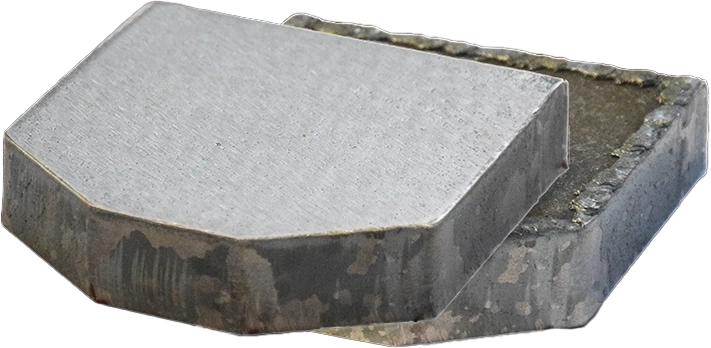
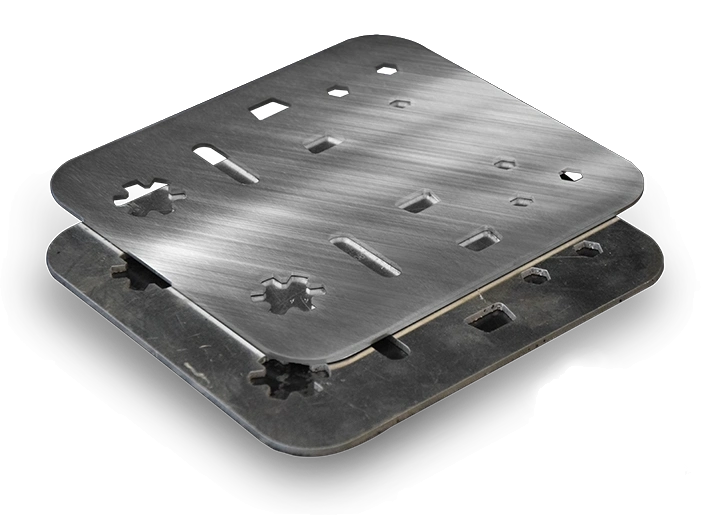
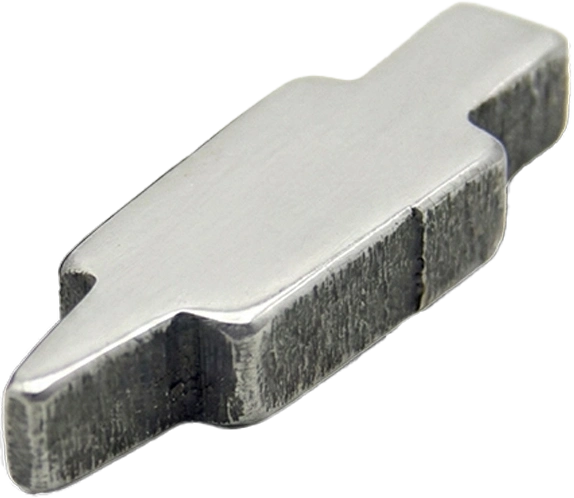
Brush Deburring Machines for Sheet Metal — before and after edge preparation, sample 1
Before
After
Brush Deburring Machines for Sheet Metal — before and after edge preparation, sample 2
Before
After
Brush Deburring Machines for Sheet Metal — before and after edge preparation, sample 3
Before
After
Brush Deburring Machines for Sheet Metal — before and after edge preparation, sample 4
Before
After After
Before Before
After After
Before Before

What Drives a Brush Configuration Quote?

Brush tooling, station count and working width move the cost more than the frame itself.

  • Working width, because brush diameter, motor power and frame size all scale with the widest part you intend to run.
  • Number of brush stations, since a single station treats one edge condition while a sequence handles burr reduction and edge treatment together.
  • Filament specification, as the abrasive type and grit chosen during sample testing determine both the result and the consumable budget.
  • Whether a belt or heavy-deburring stage must run ahead of the brush, which changes the machine from one station into a multi-station system.
  • Wear compensation and servo positioning, which are what keep a brush result repeatable rather than drifting between shifts.
  • Extraction requirements, because brush processing generates dust that has to be handled according to the material being run.

Brush Deburring Questions

Can a brush remove heavy slag on its own?

It should not be asked to. Heavy slag needs a stronger first stage with rigid abrasive contact. A brush placed behind that stage then treats the edge that remains. Using a brush as the only stage on slag-heavy parts wears filaments quickly and gives an inconsistent result.

Why choose a brush over another belt pass?

Because a belt only touches what lies in its contact plane. Hole edges, internal cut-outs and contours never receive belt contact regardless of how many passes you run. Flexible filaments follow the profile, which is the specific capability you are buying.

Does brushing produce a defined edge radius?

A radius depends on filament specification, contact pressure, feed speed, material and the number of passes. TFON publishes a radius only for a configuration that has been verified on your parts during sample testing, not as a general machine specification.

How long do brush consumables last?

Filament life depends on material, burr severity, contact pressure and running hours, so it is quoted per application after testing rather than as a fixed figure. Wear compensation matters here, because a worn brush that is not repositioned changes the result before it visibly fails.

Can brush and belt stations sit in the same machine?

Yes, and in most production applications they should. A multi-station Surfacer® configuration runs material removal and edge treatment in one pass, which is faster and more repeatable than handling the part twice.

Send sample parts and we will confirm which brush sequence matches your edge requirement.

Send parts for a brush test