


Skip to content

Roller Leveler

  • Perfectly flat parts

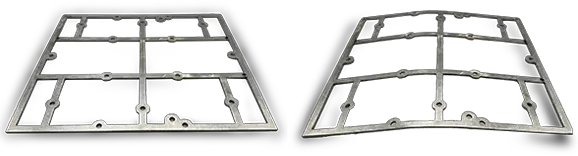
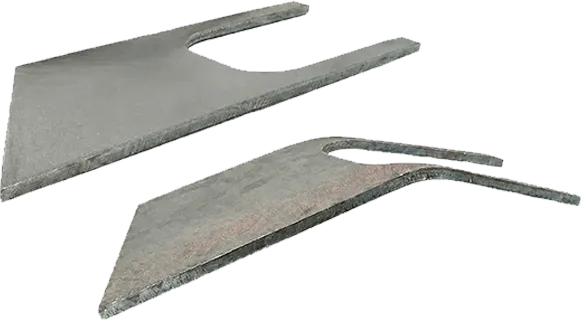
    Turn distorted, bowed and wavy sheet and plate into flat, dimensionally stable parts. A roller-leveling system works the material through a series of rollers so that flatness is consistent across the whole surface.

  • Internal stress relief

    Every sheet carries internal stresses from the rolling mill and from thermal cutting. Leveling redistributes and relieves these stresses so parts stay flat and stable during and after further processing.

  • No distortion after cutting

    Stress-relieved, flat material does not spring, warp or twist when it is cut, machined or welded. This protects downstream accuracy and eliminates the scrap and rework caused by moving parts.

Advanced filters
Thickness range (mm)
Max. Material Width (mm)
Min. material length (mm)

How a Roller Leveler Delivers Flatness

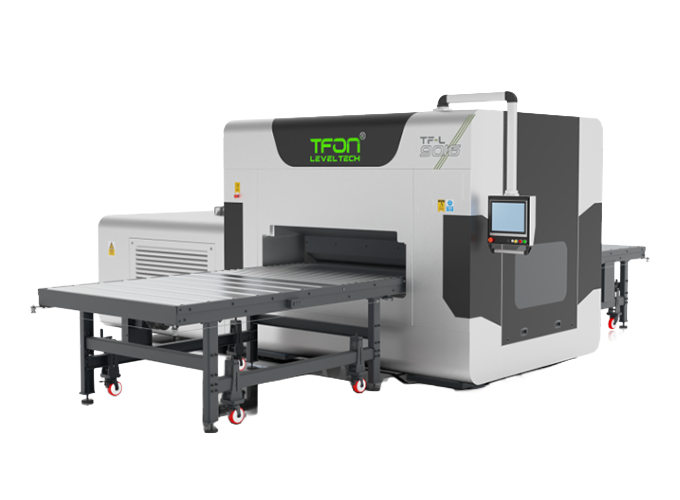
A roller leveler is the heart of precision flattening: a series of offset work rollers repeatedly flex the material as it passes through, breaking down the internal stresses that keep sheet and plate from lying flat. The more rollers, the finer and more consistent the result.

TFON Leveltech® roller levelers combine a rigid frame, robust drive and servo-controlled roller adjustment so the leveling gap is set precisely for each thickness and reproduced every time. This removes guesswork and keeps flatness identical from part to part.

From thin laser-cut sheet to heavy plate, a correctly specified roller leveler produces flat, stress-relieved material that will not spring or distort during subsequent cutting, machining and welding.

Applications

Typical sheet metal deburring and edge preparation use cases.

  • Laser & plasma cut parts

    Level sheet and plate before or after thermal cutting so that finished parts lie perfectly flat. Removing bow, wave and twist keeps cut contours accurate and parts ready for immediate assembly.

  • Thick plate leveling

    Flatten heavy plate that arrives bowed or stressed from the mill. A robust roller leveler with sufficient roller diameter and drive power straightens thick sections that lighter machines cannot handle.

  • Pre-machining stress relief

    Relieve internal stresses before machining so that parts do not distort as material is removed. Stable, stress-free blanks hold their tolerances through milling, drilling and finishing.

  • Precision & dimensional stability

    Produce flat, stable blanks for high-accuracy components where flatness directly affects fit and function. Consistent leveling protects the quality of everything built from the material afterwards.

  • Welded & fabricated assemblies

    Start fabrication from flat, stress-relieved material to reduce distortion during welding. Flatter input parts mean straighter assemblies and far less time spent correcting warped work.

  • Coated & visible panels

    Deliver flat panels for architectural, enclosure and visible applications where any wave or bow is immediately obvious. Precise leveling gives a clean, professional final appearance.

Automation & Line Integration

Recipe-controlled, servo-adjusted and line-ready deburring automation options.

  • Multi-roller leveling system

    A series of upper and lower work rollers flexes the material repeatedly to break down internal stresses. More rollers give finer, more consistent flatness across a wider range of thicknesses.

  • Servo roller-gap control

    Motorised, servo-controlled roller adjustment sets the exact leveling gap for each thickness. Precise, repeatable settings remove guesswork and keep results identical from part to part.

  • Thickness recipe adaptation

    Store and recall leveling settings for each material and thickness. Repeat jobs load instantly with the proven parameters, protecting your process know-how and saving setup time.

  • Robust drive & frame

    A rigid frame and powerful drive transmit the force needed to level thick and high-strength material without deflection, so flatness is maintained even under heavy load.

  • Flatness measurement & feedback

    Measurement of the incoming and outgoing material helps set and verify the leveling result, giving documented, repeatable flatness rather than trial and error.

  • Line integration

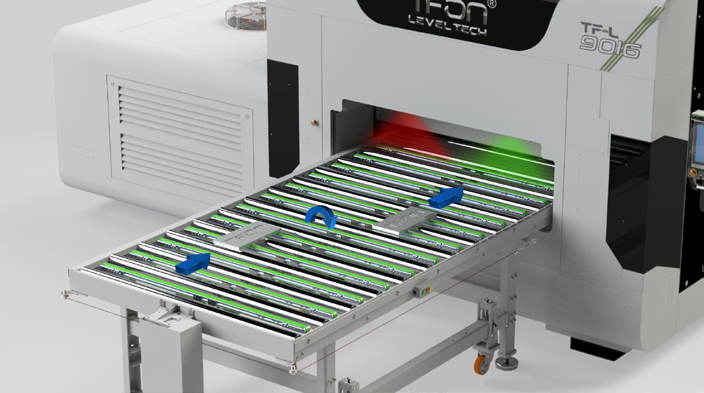
    Feeding tables, conveyors and connection to cutting lines let the leveler run inline. Material flows through automatically for higher throughput and single-operator handling.

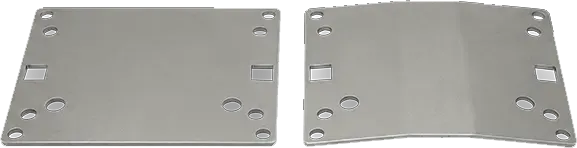
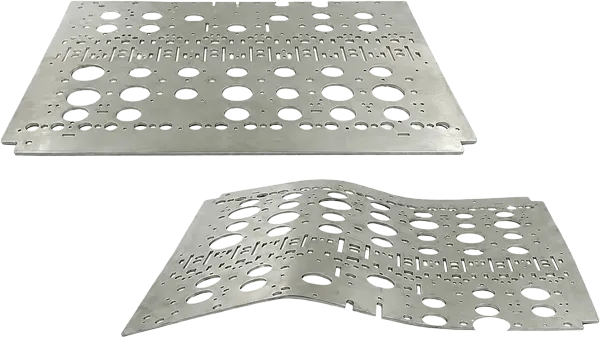
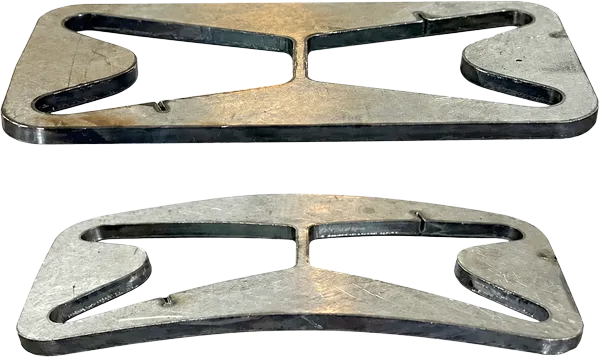
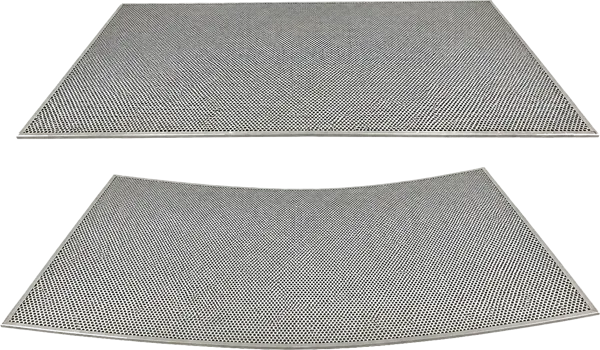
Before / After

After
Before
After
Before
After
Before
After
Before
After
Before
After
Before
After
Before
After
Before
After
Before
Technical Specifications
IV-POINT

Positioning Via 4 Linear Guides

Our machine uses four independent pistons to manage the leveling gap, allowing for precise sheet processing with a tight tolerance of just 0.1mm.

T-VISION

PC Control

Serving as the brain of the machine, our PC-controlled touch screen provides a complete overview of the entire leveling process. It tracks every critical detail in real-time, giving operators full control and instant visibility into the machine's performance at a single glance.

PRECIPRESS

Servo-Hydraulic System

In large machines, servo-hydraulic systems eliminate wear and backlash issues found in mechanical drives, delivering superior performance. They provide instant response and strong precise control even under high and large loads, ensuring efficiency and durability beyond traditional systems.

T-GUARD

Overload Protection

This feature works by constantly monitoring the roller drive motor torque and hydraulic pressure sensors in real time. If the system detects a mismatch usually caused by a thickness input error it instantly intervenes to prevent an overload, ensuring the machine stays in peak condition for years.

GAPSNAP

Leveling Gap Control

The machine is equipped with a high-performance servo-hydraulic system that actively manages the leveling gap with extreme precision. It ensures the gap remains perfectly constant as the material passes through the rollers, resisting any deflection to deliver uniform flatness across every part.

PARTTRACK

Recipe System

The integrated recipe system allows operators to save and load specific processing parameters for every part, ensuring consistent quality across different batches. By automating these settings, the system eliminates manual input errors and prevents potential machine damage caused by incorrect operator adjustments.

Customized options for your production line.

Customized options for your production line.

Smart Feed

This mechanism is designed to ensure uniform use of the rollers across their entire width, allowing parts to be processed not just along a specific line, but distributed over the full width of the roller. As a result, load distribution on the rollers is balanced, wear occurs more evenly, and maintenance intervals are extended. Offered as an optional feature, this provides a significant advantage in terms of both consistent performance and extended equipment lifespan.
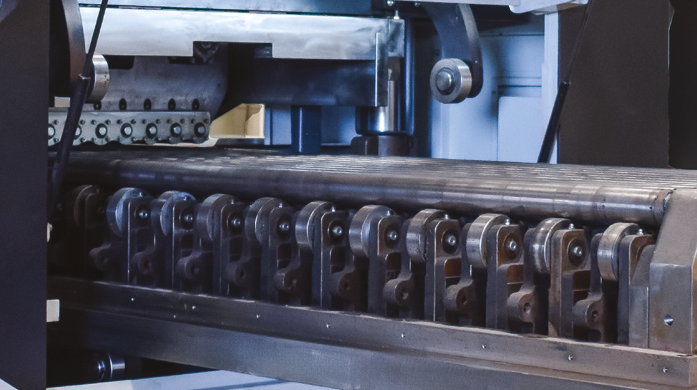
TFON Autoroll Roller Ejection System

With TFON Autoroll, Automatic Roller Ejection System, the rollers are automatically ejected outwards, allowing you to clean the rollers in an easier manner. Thus, time efficiency increases while occupational safety is ensured.

Barcode Scanner

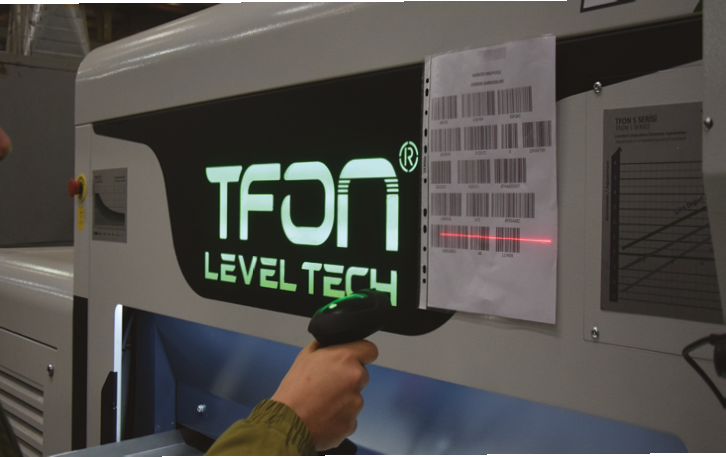
Barcode Scanner System, ScanSync shortens the process of preparing for processing by scanning barcodes that users prepare and define in the part data system. By scanning the barcode, it automatically adjusts the values in the machine interface, saving time and preventing operators from entering incorrect values.

TFON SoftTouch

TFON SoftTouch system prevents crushing of sharp-edged parts and ensures perfect leveling.

Caliper Reader

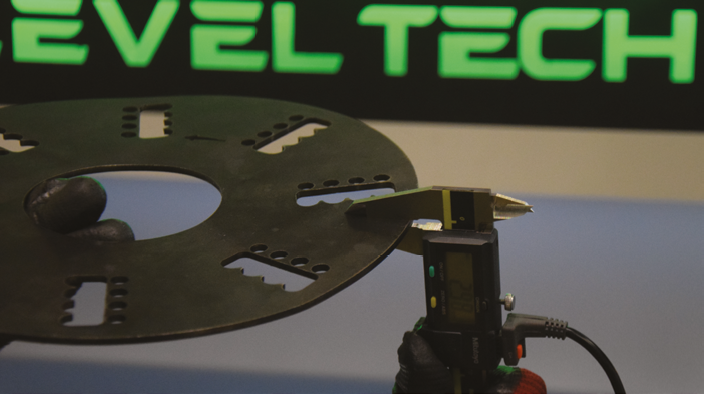
Caliper Reader - Caliper Assisted Thickness Measuring System, CaliSync technology ensures that the correct thickness values are accurately transferred to the machine, speeding up the measurement input process and preventing operators from inputting incorrect data.

Front and Rear Conveyor

The optional front and rear conveyors with speed adjustable in synchronization with the machine, ensure fast and orderly feeding of parts and are also ideal for handling long components.

What affects the machine price?

Configuration-based quoting depends on production requirements rather than a single list price.

  • Working width — the maximum sheet or plate width the leveler must process directly drives frame size, roller length, drive power and overall investment.
  • Material thickness and strength range — leveling thin sheet is very different from flattening thick or high-strength plate, and the required roller diameter and force strongly affect price.
  • Number of leveling rollers — more work rollers deliver finer flatness and a wider processing range, and add to the machine cost.
  • Drive power and frame rigidity — the force needed for thick, high-strength material requires a heavier frame and larger drive, which increases the investment.
  • Automation level — servo roller-gap control, thickness recipes and flatness measurement improve repeatability and speed and are a major price factor.
  • Line integration — feeding, conveying and connection to cutting or downstream equipment are engineered and quoted per project.

Frequently Asked Questions

What is the difference between a roller leveler and a straightener?

The terms overlap, but a roller leveler specifically flexes flat sheet or plate through a series of work rollers to relieve internal stress and deliver flatness across the whole surface. A precision roller leveler with more rollers and servo gap control gives finer, more repeatable flatness than a basic straightener, which is why it is preferred where downstream accuracy and stability matter.

What is a leveling machine?

A leveling machine flattens sheet and plate and relieves the internal stresses that cause bow, wave and twist. It passes the material through a series of upper and lower rollers that flex it repeatedly, redistributing and relieving stress so the part becomes flat and stays flat. Servo-controlled roller adjustment sets the exact leveling gap for each thickness, making the result precise and repeatable.

Why do cut parts distort, and how does leveling help?

Sheet and plate carry internal stresses from the rolling mill and from thermal cutting. When a part is cut, those stresses are released unevenly and the part bows, twists or springs out of tolerance. Leveling relieves and balances the stresses before or after cutting, so the material lies flat and holds its shape through machining, welding and assembly — eliminating a major source of scrap and rework.

How many rollers does a leveling machine need?

More work rollers generally deliver finer, more consistent flatness and a wider processing range, while the required roller diameter and drive power depend on the material thickness and strength. Thin, precise parts and thick, high-strength plate call for different machine configurations, which is why a leveler is specified around your actual material and flatness requirements rather than sold as one fixed model.

What affects the price of a leveling machine?

The main factors are working width, the material thickness and strength range, the number of leveling rollers, the drive power and frame rigidity, and the level of automation such as servo roller-gap control and flatness measurement. Line integration with feeding and cutting equipment also plays a role. The most accurate figure comes from reviewing your material, widths, thicknesses and volumes.

Need help selecting the right automatic deburring configuration for your line?

Request engineering review