






Skip to content

Beveling & Deburring Machines

  • Consistent weld preparation

    Produce uniform bevel angles and root faces on every plate and sheet edge. A repeatable, machine-made weld preparation removes the variation of hand grinding and gives your welders the same clean geometry on every joint.

  • Higher welding productivity

    Accurate, clean bevels reduce the number of welding passes, cut filler-metal consumption and minimise rework. A correctly prepared edge means faster fit-up, better fusion and stronger, more reliable welds.

  • Cold, burr-free edges

    Milling and rotary bevel heads cut cold, leaving a smooth, burr-free edge with no heat-affected zone or oxide. The result is a ready-to-weld surface that needs no additional cleaning or dressing.

Advanced filters
Max. Material Width (mm)
Processes

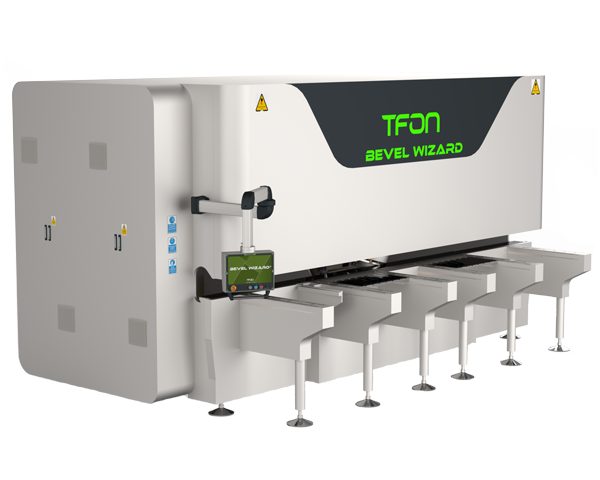
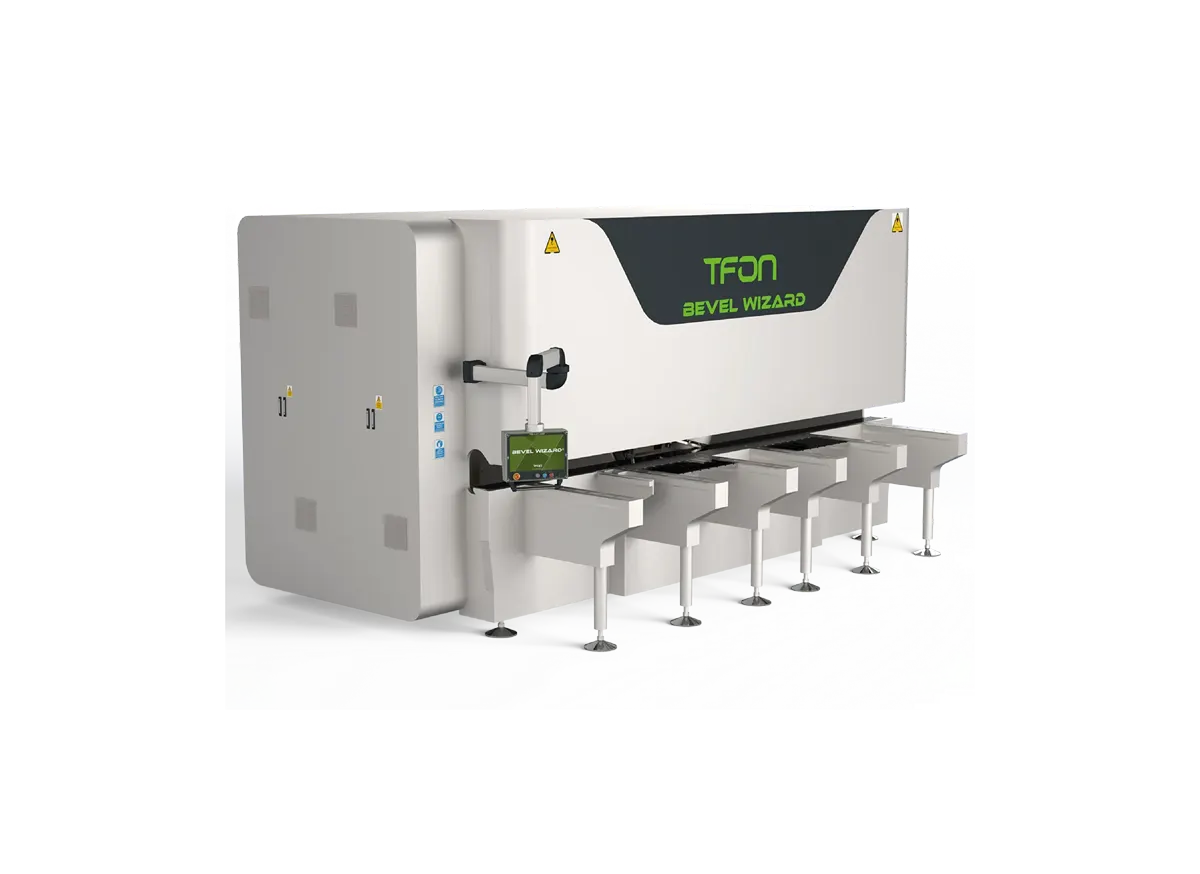
Complete Edge Processing: Beveling & Deburring

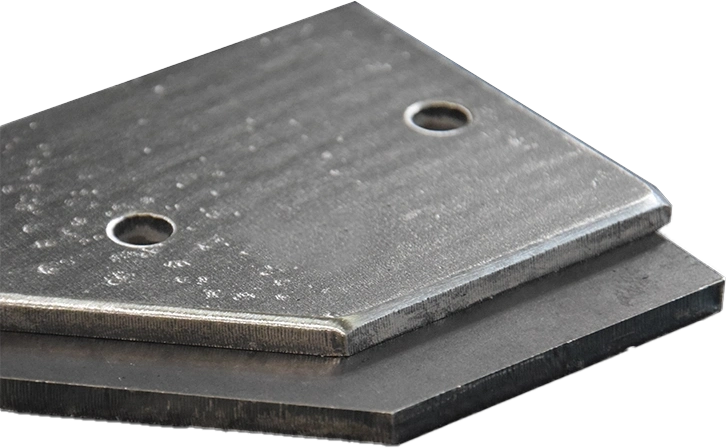
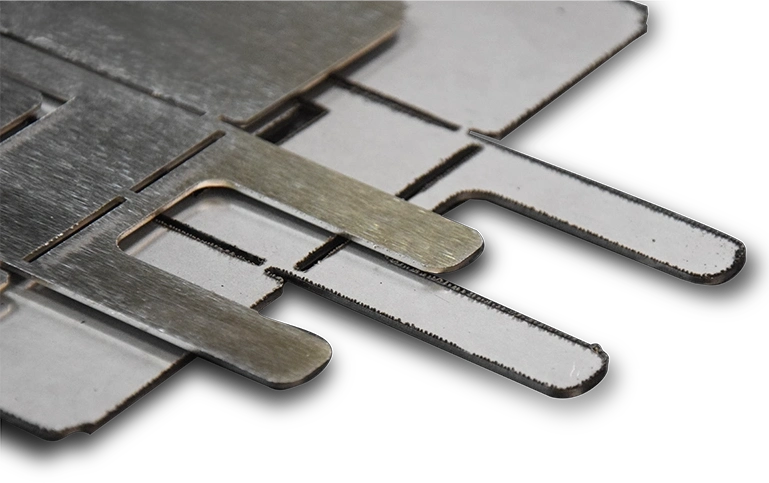
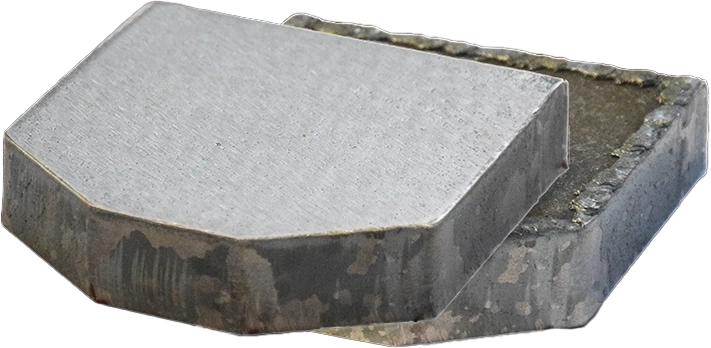
Beveling and deburring machines solve two sides of the same problem: preparing a cut metal edge for the next step. Deburring removes burrs, rounds sharp corners and cleans the surface, while beveling cuts the precise angle and root face a welded joint needs.

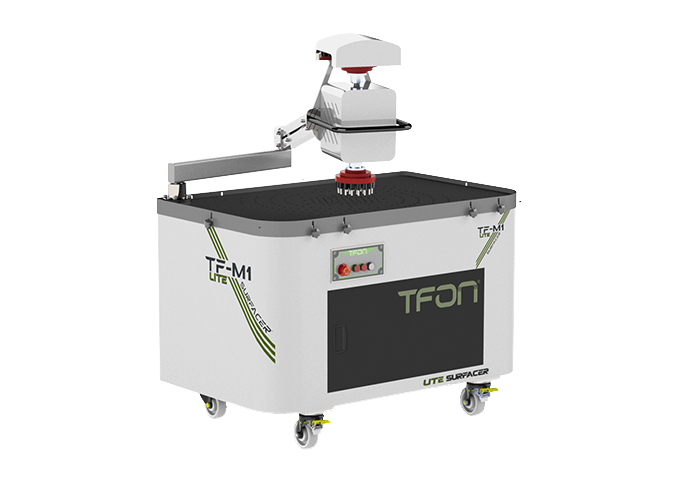
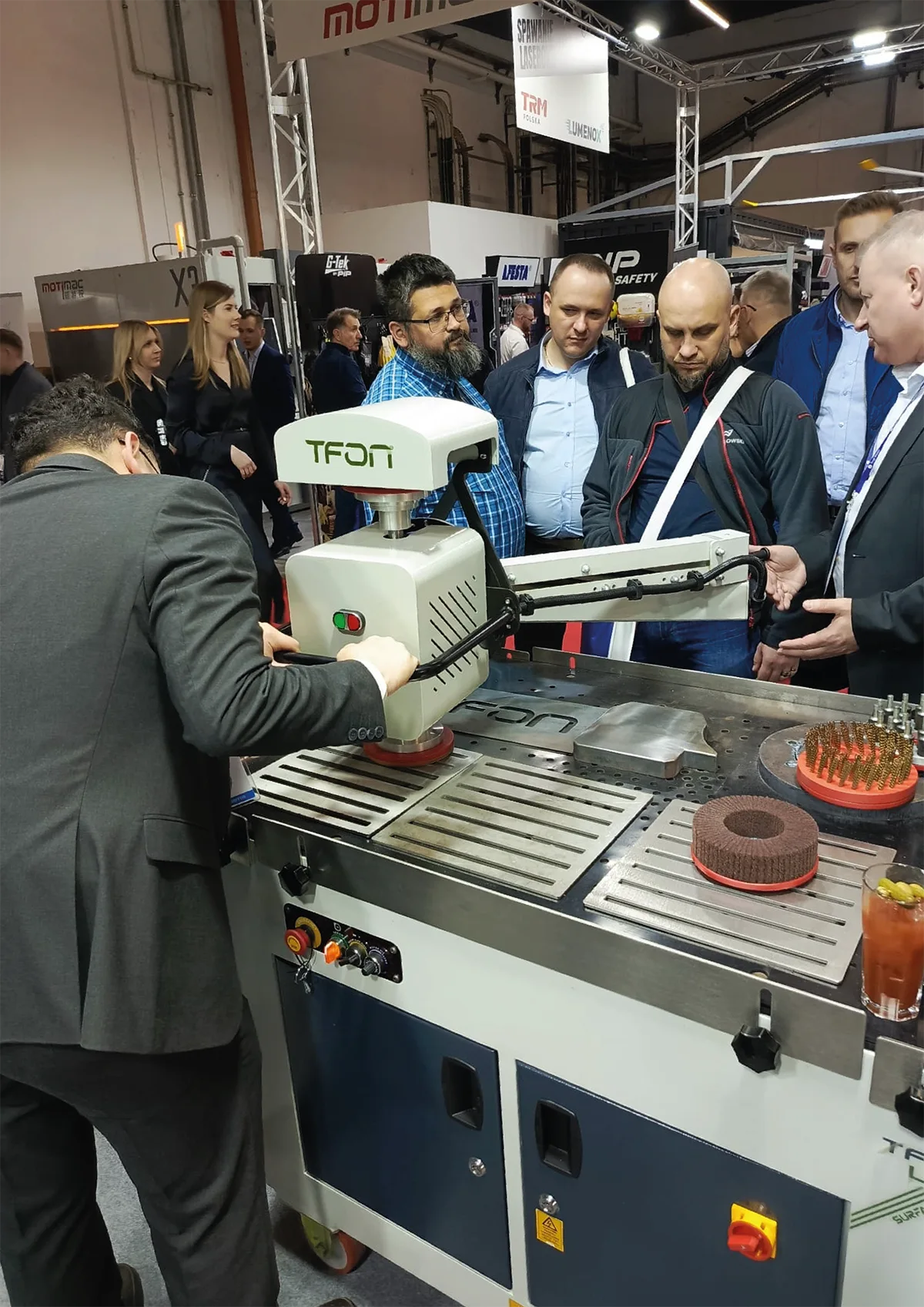
TFON builds both technologies — Surfacer® deburring, edge rounding and finishing, and cold-milling beveling machines — so fabricators can take a part from raw cut edge to safe, coating-ready and fully weld-prepared. Each machine is configured to the customer’s parts, materials and volumes.

Used together, deburring and beveling turn edge preparation into a fast, controlled and repeatable process: safer parts, better coating adhesion, cleaner welds and far less time spent grinding edges by hand.

Applications

Typical sheet metal deburring and edge preparation use cases.

  • Pressure vessels & boilers

    Prepare precise, code-compliant weld bevels on plate for pressure vessels, tanks and boilers. Consistent angles and root faces are essential where weld quality is inspected and certified, and a beveling machine delivers them repeatably.

  • Structural steel fabrication

    Bevel plates and profiles for beams, columns and heavy structural assemblies. Machine beveling gives the uniform edge preparation needed for full-penetration welds on load-bearing steel structures.

  • Pipe, plate & spool work

    Create V, X, Y and K weld preparations on plate edges for spools, flanges and fabricated sections. Adjustable angles and root faces cover the full range of joint designs used in process and energy fabrication.

  • Pre-weld edge preparation

    Replace slow, inconsistent hand grinding of every edge before welding. A dedicated beveling machine turns edge preparation into a fast, controlled step that keeps the whole welding line moving.

  • Thick plate & alloy steels

    Bevel thick carbon steel, stainless and alloy plate cleanly and accurately. Cold milling heads maintain the correct angle even on heavy sections without introducing heat distortion into the edge.

  • Stainless & visible edges

    Produce clean, oxide-free bevels on stainless steel where both weld quality and appearance matter. The cold-cutting process preserves the material and leaves a professional, ready-to-weld edge.

Automation & Line Integration

Recipe-controlled, servo-adjusted and line-ready deburring automation options.

  • Adjustable bevel angle

    Set the required bevel angle across a wide range (typically around 15° to 45°/60°) to match V, X, Y and K joint designs. The angle is held accurately along the whole edge for a consistent weld preparation.

  • Cold milling head

    A rotary milling head removes material cold, without the heat, oxide or hardening of thermal methods. The edge comes off the machine clean and ready to weld, with no secondary grinding required.

  • Adjustable root face (land)

    Control the size of the flat root face left below the bevel to suit the welding procedure. Precise, repeatable land dimensions are critical for full-penetration welds and consistent fit-up.

  • Motorised feed & clamping

    Powered feed and secure clamping keep the plate moving at a steady rate for a smooth, even bevel. This removes operator fatigue and delivers a uniform edge on long plates.

  • Repeatable digital settings

    Angle, depth and feed are set precisely and reproduced for every plate, so the same joint preparation is achieved on the first and hundredth part alike.

  • Stationary & portable options

    Choose stationary machines for high-volume plate beveling or portable units that travel to large workpieces on site. Both deliver the same accurate, machine-made edge preparation.

Before / After

After
Before
After
Before
After
Before
After
Before
After After
Before Before
After After
Before Before
Technical Specifications
IProtect

Overload Protection

Equipped with Intelligent Overload Protection, the system monitors motor torque to detect abnormal resistance caused by thickness variations. It instantly reacts to discrepancies between the actual material and the screen settings, safeguarding the abrasive belt and contact drum from damage.

AutoSwing

Electropneumatic Oscillation Control

The Electropneumatic Oscillation Control provides a steady oscillating motion that prevents the abrasive belt from tracking off the drums. This ensures belt stability and extends the service life of the consumables.

AcTFON

Independent Station Movements

The Independent Station Movement system is our most distinctive engineering advantage. Unlike competitors who adjust thickness by moving the entire conveyor, our system utilizes independent servo-controlled stations that move vertically while the conveyor remains at a fixed height. This ensure maximum stability and allows for seamless integration into automated production lines.

T-Servo

Servo Position Control

The Servo Position Control system ensures high-precision movement of the stations with an accuracy of 0.1 mm. This level of control guarantees consistent results across different batches and allows for ultra-fine adjustments to achieve the perfect finish.

PART TRACK

Recipe System

The PartTrack Recipe Storage System is a solution designed for customers with a wide variety of parts. It stores part processing data in the machine’s memory, enabling easy access whenever needed. Instead of entering values one by one, it allows users to simply select the part name with a single touch, thereby increasing processing speed and efficiency.

THE EYE

Automatic Laser Thickness Measurement

The Automatic Laser Thickness Measurement system detects the material thickness and automatically updates the machine settings. This eliminates manual measurement errors and ensures a rapid, foolproof setup for every workpiece.

GATEWATCH

Thickness Error Prevention System

Equipped with a mechanical sensing system, the Overload Protection utilizes a limit switch located above the pressure roller to detect thickness anomalies instantly. If a part exceeds the thickness value entered on the screen, the system triggers an immediate halt to safeguard the abrasive belt and rubber-coated drum from impact damage.

VTOUCH

Touch screen

The user-friendly Touch Screen Control Panel allows for easy management of all machine parameters from a single station. It enables precise adjustments of station heights and conveyor speeds while enhancing operational efficiency through real-time monitoring and diagnostic alerts.

Customized options for your production line.

Customized options for your production line.

Image Processing Technology

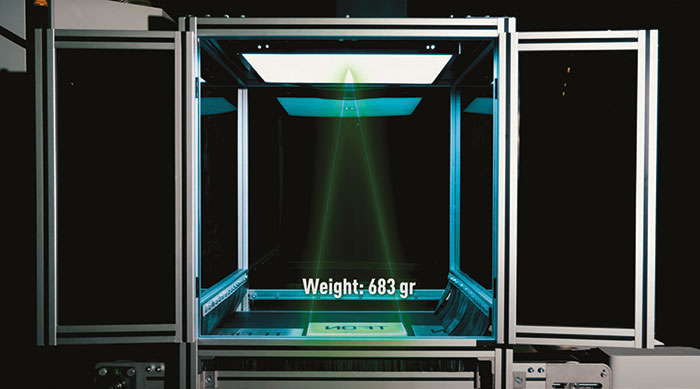
Equipped with advanced image processing technology, Tfon Imagener® enables you to monitor all critical data in your production processes instantly. Key parameters such as weight, processing area, production efficiency, and operational performance can be tracked in real time, making your processes more transparent and easier to control. With its infrastructure that can integrate seamlessly with ERP and other production tracking systems, data is automatically transferred to digital platforms, allowing your production processes to be monitored end-to-end. This enables you to manage your operations more efficiently and make more accurate decisions by analyzing your production performance.
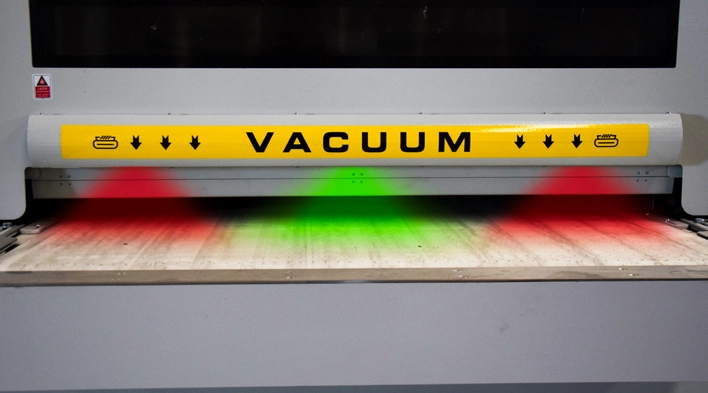
Balanced Feeding Unit

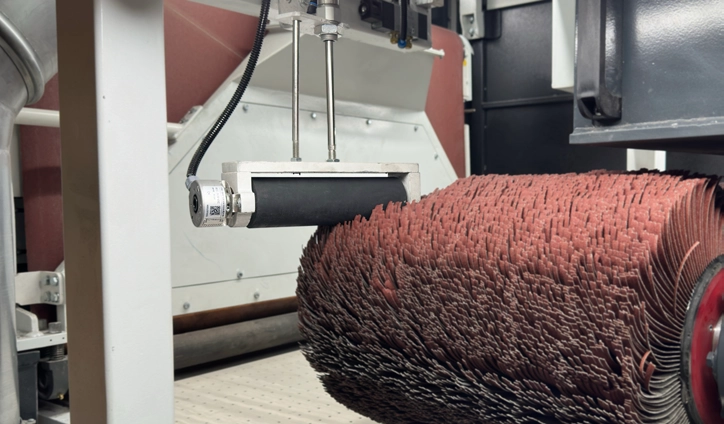
Thanks to the colored lights integrated into the machine’s conveyor inlet, the operator is visually guided to feed the part from the position that is most suitable for balanced consumption of consumables. This system ensures even distribution of consumable usage, especially in multi-part processing operations; it prevents unnecessary wear and waste, optimizes workflow, and increases overall production efficiency.

Automatic Calibration

Precision Calibration System for flap wheel station PreciFlap automatically performs station calibration. It informs the user about the remaining life of the flap wheel in percentage with flap wheel sander life tracking. It solves calibration-related problems by continuously monitoring the length of the mop brushes in the machine.

Caliper Reader System

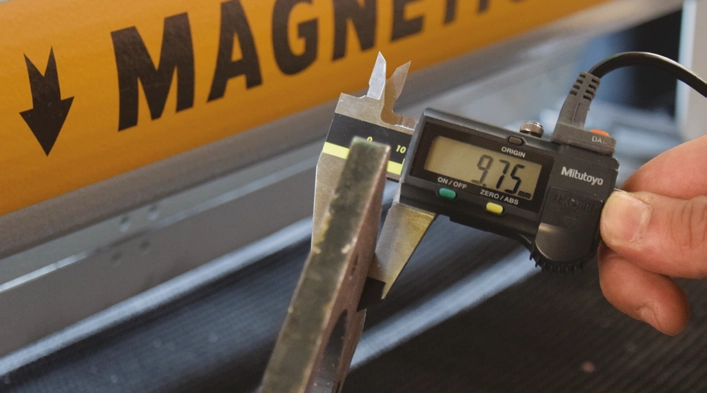
Caliper Assisted Thickness Measuring System CaliSync technology ensures that the correct thickness values are accurately transferred to the machine, speeding up the measurement input process and preventing operators from inputting incorrect data.

Barcode Scanner System

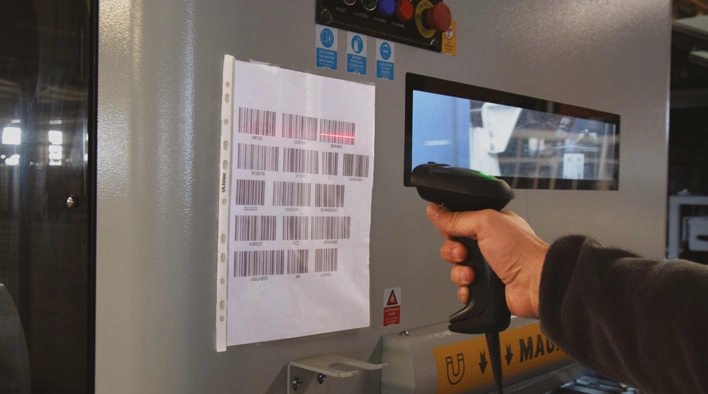
ScanSync shortens the preparation time for machining by scanning barcodes that users have prepared for parts and saved in the part data system. ScanSync reads the barcode and automatically makes the necessary adjustments to the values on the machine interface, saving time and preventing operators from entering incorrect values.

Motor-Driven Feeding Conveyor

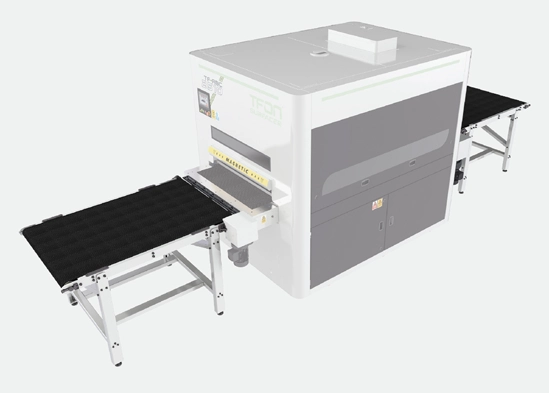
Designed to work in full integration with the machine, the motorized feeding conveyor offers height and speed adjustments perfectly synchronized with the machine. There are two conveyors, one at the front and one at the rear, each 1500 mm in length. Conveyor length can be increased or decreased according to production requirements.

Return Conveyor System

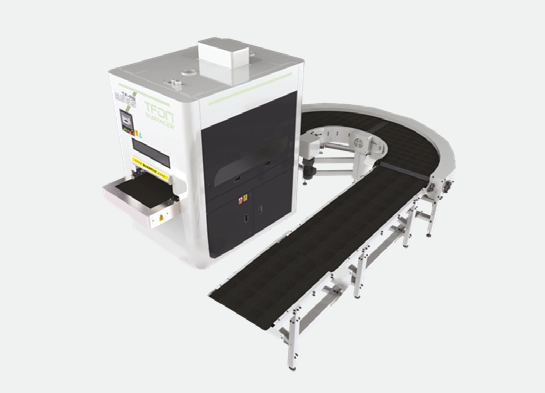
The return conveyor ensures that parts are transferred safely and efficiently to the operator’s side after processing. Height and speed adjustments work in perfect sync with the machine, enabling uninterrupted flow. Supports the ergonomic collection of both small and medium-sized parts.

Side-Shifting Conveyor

Side Shifting Conveying System carries processed parts out of the machine, where sensors detect their arrival and automatically activate the side-shifting conveyor belt. The parts are then transferred onto the return conveyor and brought back to the operator for easy unloading. It offers an efficient alternative to U-shaped return conveyors for layouts where floor space is limited, while supporting smooth material flow, reducing manual handling, and improving operator convenience.

What affects the machine price?

Configuration-based quoting depends on production requirements rather than a single list price.

  • Maximum plate thickness — the heaviest plate the machine must bevel drives the size of the milling head, motor power and frame, and is one of the biggest cost factors.
  • Bevel angle and root-face range — a wider range of adjustable angles and controllable land dimensions adds capability and cost compared with a single fixed setup.
  • Head type — cold milling heads, grinding heads or multiple interchangeable heads change both the achievable finish and the investment level.
  • Feed and automation — powered feed, clamping and digital settings speed up production and improve repeatability, and their inclusion affects the final price.
  • Stationary vs portable — stationary plate-beveling machines and portable on-site units are engineered differently and priced accordingly.
  • Custom requirements — special angles, integration with cutting or handling equipment and bespoke tooling are quoted per project.

Frequently Asked Questions

Should I deburr or bevel first?

It depends on the part and the joint. In many workflows parts are deburred and edge-rounded for safe handling and coating, while edges that will be welded are beveled to the required angle and root face for the joint design. TFON can advise on the right sequence and the right combination of deburring and beveling machines for your specific parts, materials and welding procedures.

What is a beveling machine used for?

A beveling machine prepares the edges of plate and sheet for welding by cutting a precise, controlled bevel with a defined angle and root face. This weld edge preparation is essential for strong, full-penetration joints. Machine beveling replaces slow, inconsistent hand grinding with a fast, repeatable process, giving welders the same clean geometry on every edge and reducing welding passes, filler consumption and rework.

Which bevel angles and joint types can be prepared?

TFON beveling machines offer a wide range of adjustable angles (typically around 15° to 45°/60°) and controllable root faces, which cover the common V, X, Y and K weld preparations. The exact angle and land are set to match the welding procedure, and because the settings are repeatable, the same joint preparation is achieved on every plate.

Why is cold milling better than thermal beveling?

A cold milling head removes material mechanically, without heat, oxide or a heat-affected zone. The edge comes off the machine clean, burr-free and ready to weld, with no hardening or distortion and no secondary grinding. Thermal methods introduce heat and oxide that often require additional cleaning before welding, so cold milling gives a better, more consistent weld preparation.

What affects the price of a beveling machine?

The main factors are the maximum plate thickness, the range of adjustable bevel angles and root faces, the head type (cold milling, grinding or interchangeable heads), the level of automation such as powered feed and clamping, and whether the machine is portable or stationary. Because machines are specified to your plate thickness, joint designs and volumes, the most accurate figure comes from an engineered quote.

Need help selecting the right automatic deburring configuration for your line?

Request engineering review