

-
Consistent weld preparation
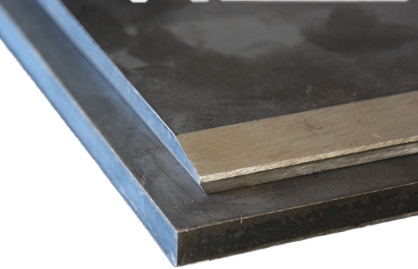
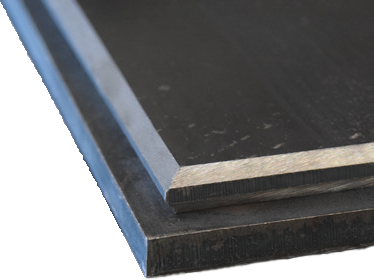
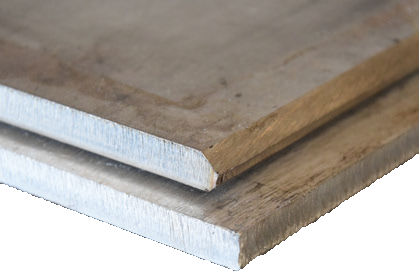
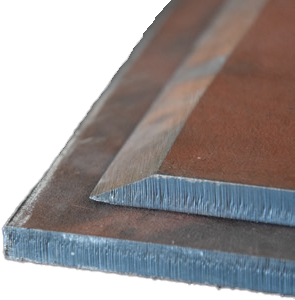
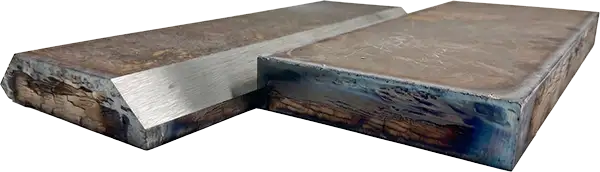
Produce uniform bevel angles and root faces on every plate and sheet edge. A repeatable, machine-made weld preparation removes the variation of hand grinding and gives your welders the same clean geometry on every joint.
-
Higher welding productivity
Accurate, clean bevels reduce the number of welding passes, cut filler-metal consumption and minimise rework. A correctly prepared edge means faster fit-up, better fusion and stronger, more reliable welds.
-
Cold, burr-free edges
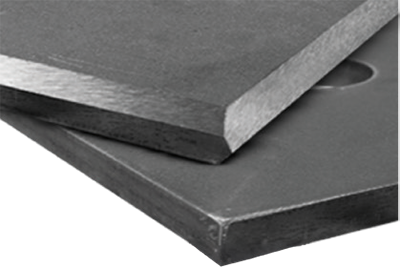
Milling and rotary bevel heads cut cold, leaving a smooth, burr-free edge with no heat-affected zone or oxide. The result is a ready-to-weld surface that needs no additional cleaning or dressing.
Weld Edge Preparation for Sheet Metal
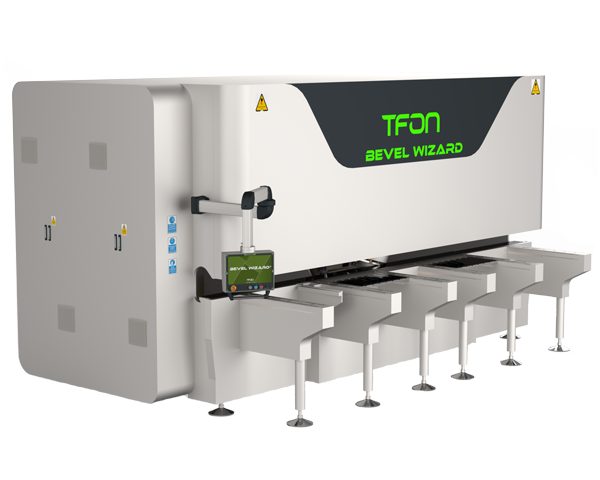
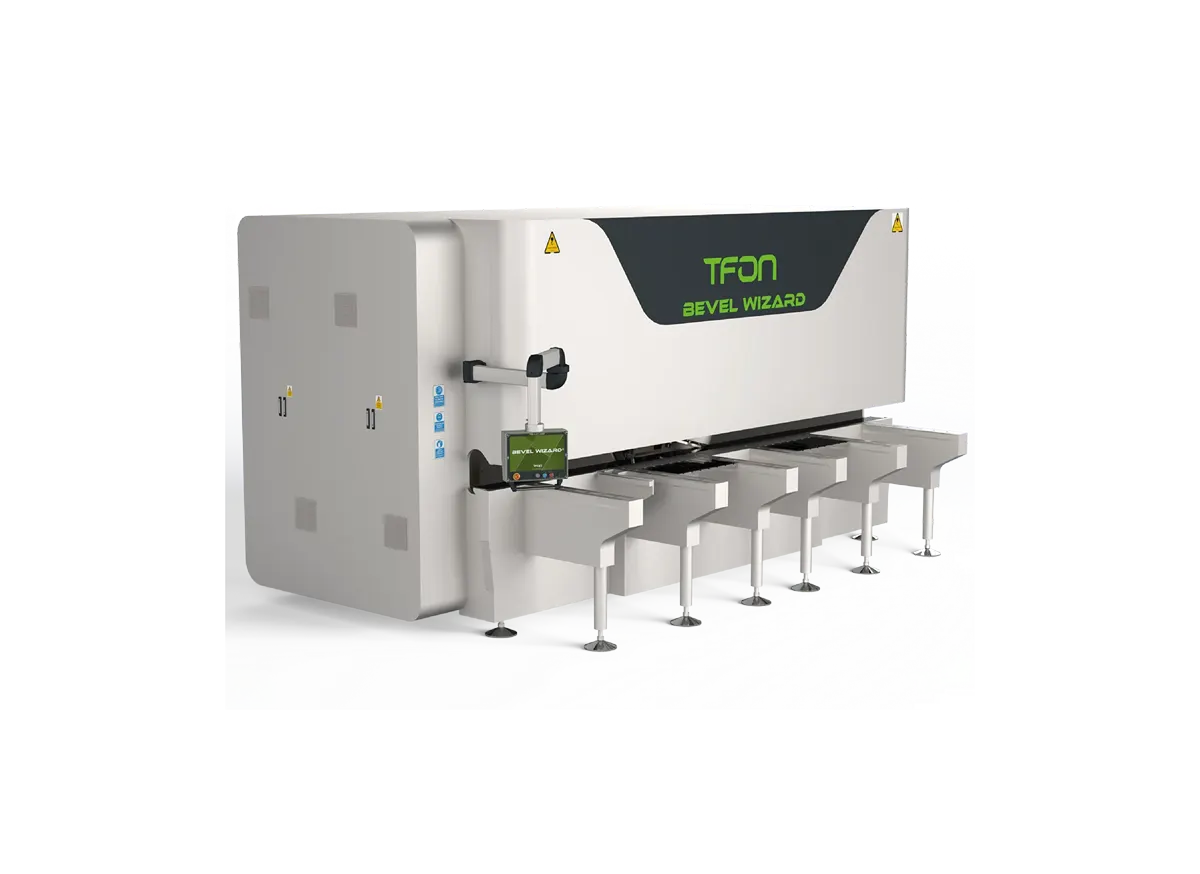
TFON beveling machines cut the edge cold, leaving a smooth, burr-free surface with no oxide or heat-affected zone. Adjustable angles cover the common V and Y preparations used across sheet metal fabrication.
Consistent, machine-made bevels speed up fit-up and welding, reduce rework and give a professional, repeatable joint quality that is difficult to reach with freehand grinding.
Applications
Typical sheet metal deburring and edge preparation use cases.
-
Pressure vessels & boilers
Prepare precise, code-compliant weld bevels on plate for pressure vessels, tanks and boilers. Consistent angles and root faces are essential where weld quality is inspected and certified, and a beveling machine delivers them repeatably.
-
Structural steel fabrication
Bevel plates and profiles for beams, columns and heavy structural assemblies. Machine beveling gives the uniform edge preparation needed for full-penetration welds on load-bearing steel structures.
-
Pipe, plate & spool work
Create V, X, Y and K weld preparations on plate edges for spools, flanges and fabricated sections. Adjustable angles and root faces cover the full range of joint designs used in process and energy fabrication.
-
Pre-weld edge preparation
Replace slow, inconsistent hand grinding of every edge before welding. A dedicated beveling machine turns edge preparation into a fast, controlled step that keeps the whole welding line moving.
-
Thick plate & alloy steels
Bevel thick carbon steel, stainless and alloy plate cleanly and accurately. Cold milling heads maintain the correct angle even on heavy sections without introducing heat distortion into the edge.
-
Stainless & visible edges
Produce clean, oxide-free bevels on stainless steel where both weld quality and appearance matter. The cold-cutting process preserves the material and leaves a professional, ready-to-weld edge.
Automation & Line Integration
Recipe-controlled, servo-adjusted and line-ready deburring automation options.
-
Adjustable bevel angle
Set the required bevel angle across a wide range (typically around 15° to 45°/60°) to match V, X, Y and K joint designs. The angle is held accurately along the whole edge for a consistent weld preparation.
-
Cold milling head
A rotary milling head removes material cold, without the heat, oxide or hardening of thermal methods. The edge comes off the machine clean and ready to weld, with no secondary grinding required.
-
Adjustable root face (land)
Control the size of the flat root face left below the bevel to suit the welding procedure. Precise, repeatable land dimensions are critical for full-penetration welds and consistent fit-up.
-
Motorised feed & clamping
Powered feed and secure clamping keep the plate moving at a steady rate for a smooth, even bevel. This removes operator fatigue and delivers a uniform edge on long plates.
-
Repeatable digital settings
Angle, depth and feed are set precisely and reproduced for every plate, so the same joint preparation is achieved on the first and hundredth part alike.
-
Stationary & portable options
Choose stationary machines for high-volume plate beveling or portable units that travel to large workpieces on site. Both deliver the same accurate, machine-made edge preparation.
Before / After
What affects the machine price?
Configuration-based quoting depends on production requirements rather than a single list price.
- Maximum plate thickness — the heaviest plate the machine must bevel drives the size of the milling head, motor power and frame, and is one of the biggest cost factors.
- Bevel angle and root-face range — a wider range of adjustable angles and controllable land dimensions adds capability and cost compared with a single fixed setup.
- Head type — cold milling heads, grinding heads or multiple interchangeable heads change both the achievable finish and the investment level.
- Feed and automation — powered feed, clamping and digital settings speed up production and improve repeatability, and their inclusion affects the final price.
- Stationary vs portable — stationary plate-beveling machines and portable on-site units are engineered differently and priced accordingly.
- Custom requirements — special angles, integration with cutting or handling equipment and bespoke tooling are quoted per project.
Frequently Asked Questions
What is a beveling machine used for?
Which bevel angles and joint types can be prepared?
Why is cold milling better than thermal beveling?
What affects the price of a beveling machine?
Need help selecting the right automatic deburring configuration for your line?
Request engineering review