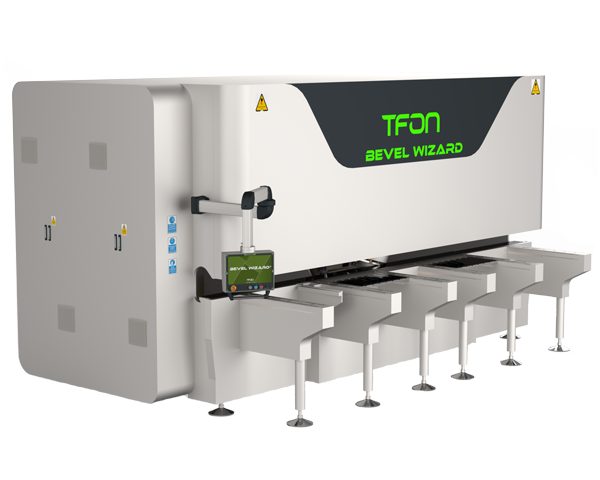
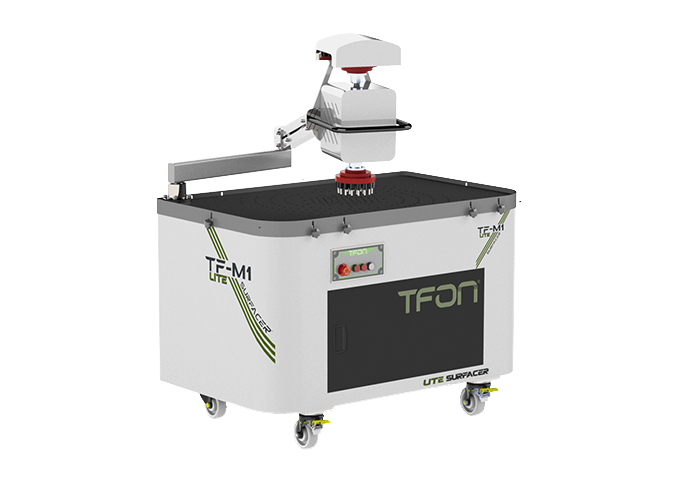


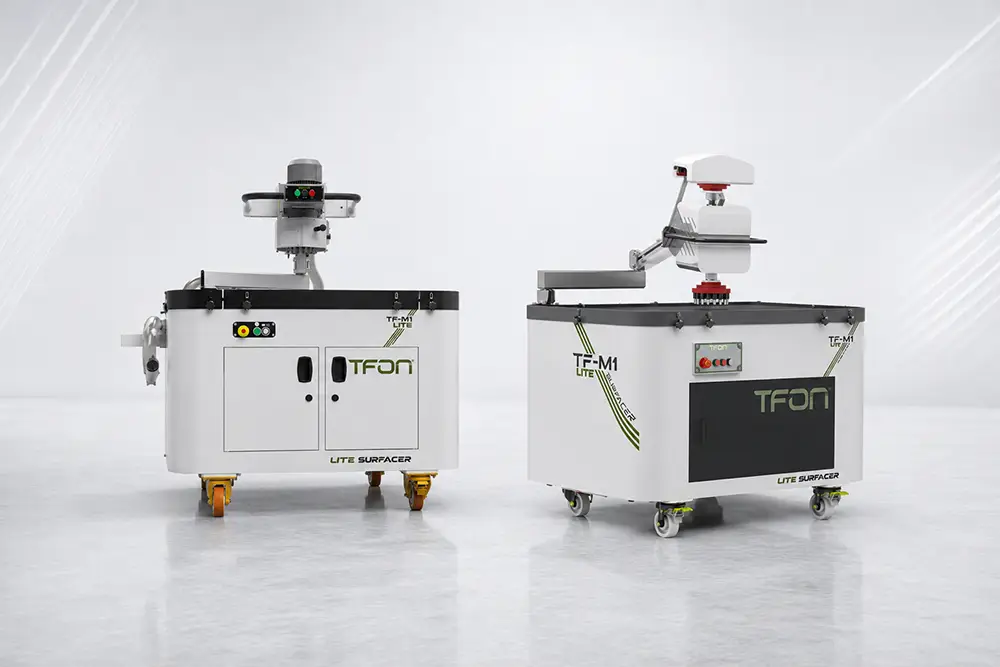
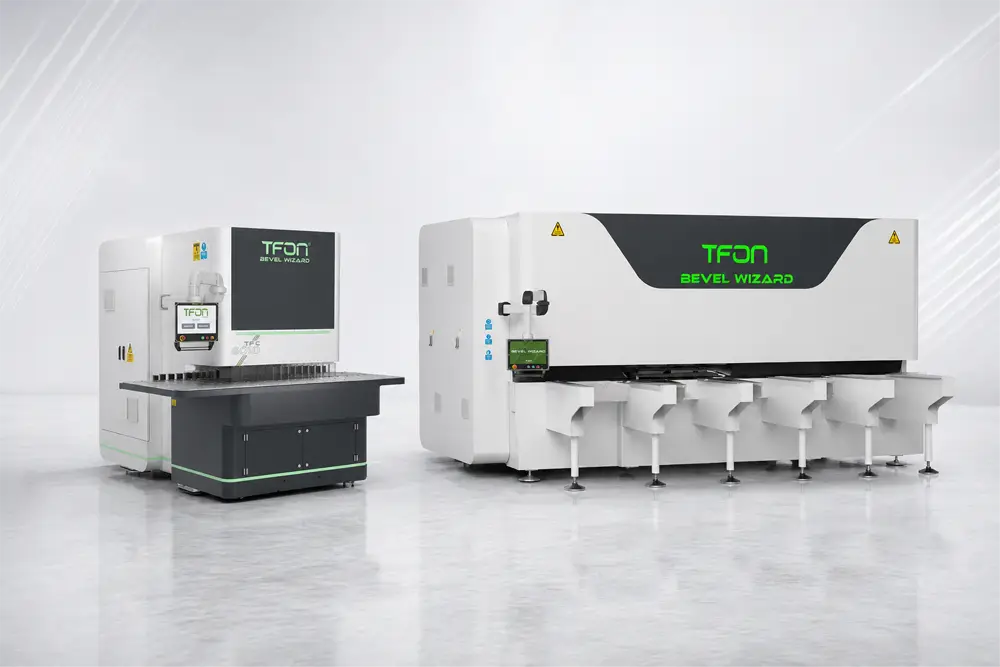
Plasma and oxy-fuel cutting can leave attached residue along the cut edge. The amount, shape and attachment of that residue influence what preparation is needed before the part moves to further fabrication. Heavy burrs and slag should be assessed before choosing a fine edge-treatment or finishing operation.
TFON reviews the incoming part to determine whether a heavy-deburring configuration is appropriate and what follow-up edge treatment is required.
Discuss heavy burr and slag conditions
Start with the Residue, Not Just the Plate Thickness
Two parts of the same thickness may arrive with different edge conditions. Record where residue is attached, whether it is localized or continuous, and which faces require treatment. Photographs help identify the problem, while representative parts allow the proposed removal method to be evaluated.
Part mass, support, openings and transport stability also matter. A process suitable for a broad plate may not be appropriate for a narrow or irregular component with the same nominal thickness.
Separate Heavy Removal from Final Edge Preparation
Removing attached residue and producing a finished edge are separate tasks. Depending on the incoming condition, the sequence can require heavy removal followed by burr reduction, edge rounding or another specified operation.
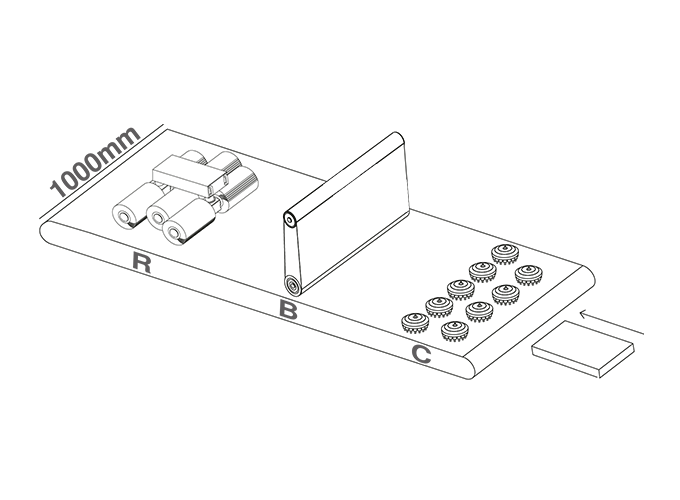
Mechanical slag removal can involve different tooling concepts. Do not assume that a machine described as a deburring machine uses a slag-hammer mechanism or can process every residue condition. The tool-machine combination must be assessed for the actual attachment and part geometry.
What to Check During a Processing Trial
| Check | Purpose |
|---|---|
| Residue remaining on edges | Confirms whether the incoming attachment has been adequately removed |
| Edge after the removal stage | Identifies any burr or profile requirement still to be treated |
| Part stability and support | Checks the practicality of feeding and handling |
| Surface and dimensional change | Verifies that removal stays within the allowed result |
| Complete cycle | Includes handling, turning where required and subsequent processing |
An acceptable trial should be judged against the required downstream condition. A short removal demonstration alone does not establish a production rate for the entire part mix.
Review TFON Heavy-Deburring Configurations
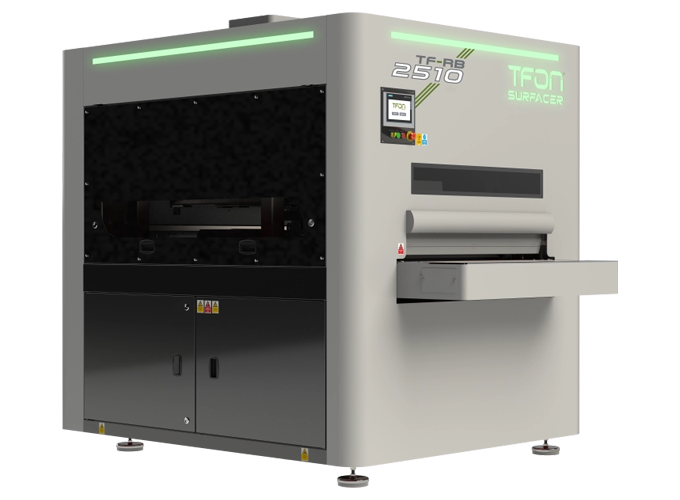
The TFON Surfacer range includes configurations presented for heavy deburring. Ask TFON to review their suitability for your residue condition rather than selecting from a station letter alone.
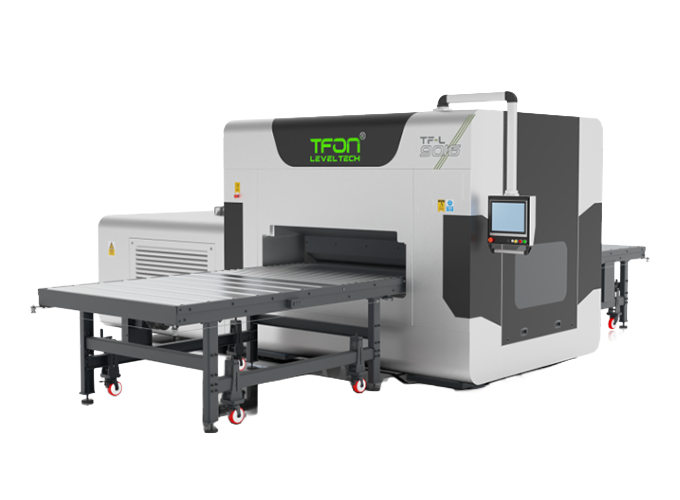
For the complete production route, see plasma- and oxy-fuel-cut part processing. Distorted plate may require a separate leveling review, and a weld joint may require bevel preparation after the appropriate edge cleaning.
Slag Removal Questions
Are slag removal and deburring the same operation?
They can be part of the same production route, but the incoming material and removal mechanism may differ. Define the residue and the final edge requirement separately.
Can a finishing brush remove every heavy deposit?
No universal claim can be made. A tool selected for finishing or edge treatment should not be assumed suitable for heavy attached residue.
What information should accompany the samples?
Include material grade, thickness, dimensions, part mass where known, cutting method, residue photographs and the required next operation. Explain how parts are loaded, supported and unloaded.