

Oxygen-assisted laser cutting can leave an oxide layer on the cut edge, particularly on carbon steel. If the next operation requires a clean edge, that layer must be assessed as part of the preparation process. Removing a burr from the top face does not by itself show that the vertical cut edge has been cleaned.
TFON reviews the cutting condition, material and accessible edge geometry to determine the appropriate tooling and processing sequence.
Request an oxide-removal review
Distinguish Oxide from Burrs and Slag
A burr projects from the cut edge. Attached slag or dross is residue from thermal cutting. An oxide layer can remain on the side of the cut even after protruding material has been removed. These conditions can occur together but require separate checks.
Use deburring for the burr-removal requirement and slag removal for attached thermal-cut residue. Avoid judging oxide removal only by whether the part feels smooth to handle.
Review Contact with the Cut Edge
Tooling must contact the area that needs cleaning. Outer contours, holes and narrow slots can present different access conditions. Part thickness, orientation and holding affect how the edge meets the tool and whether further handling or a second operation must be considered.
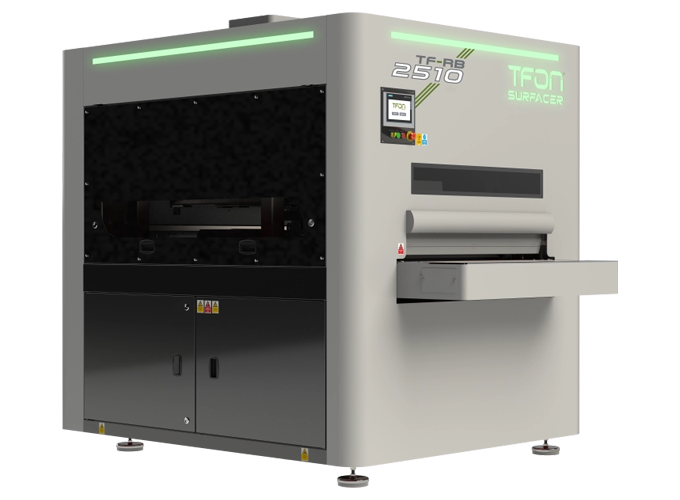
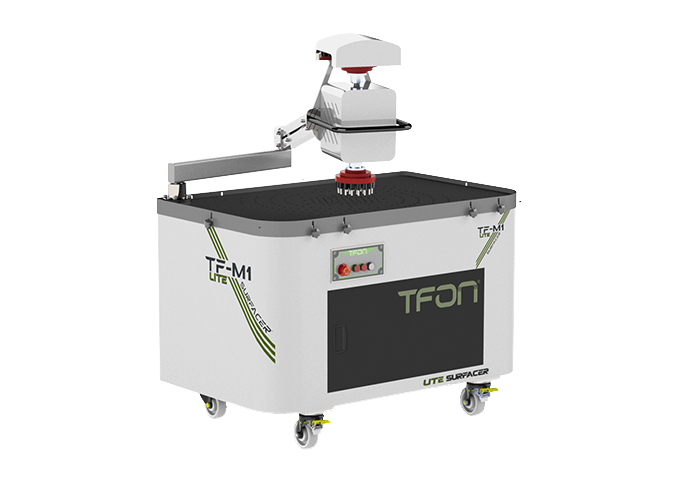
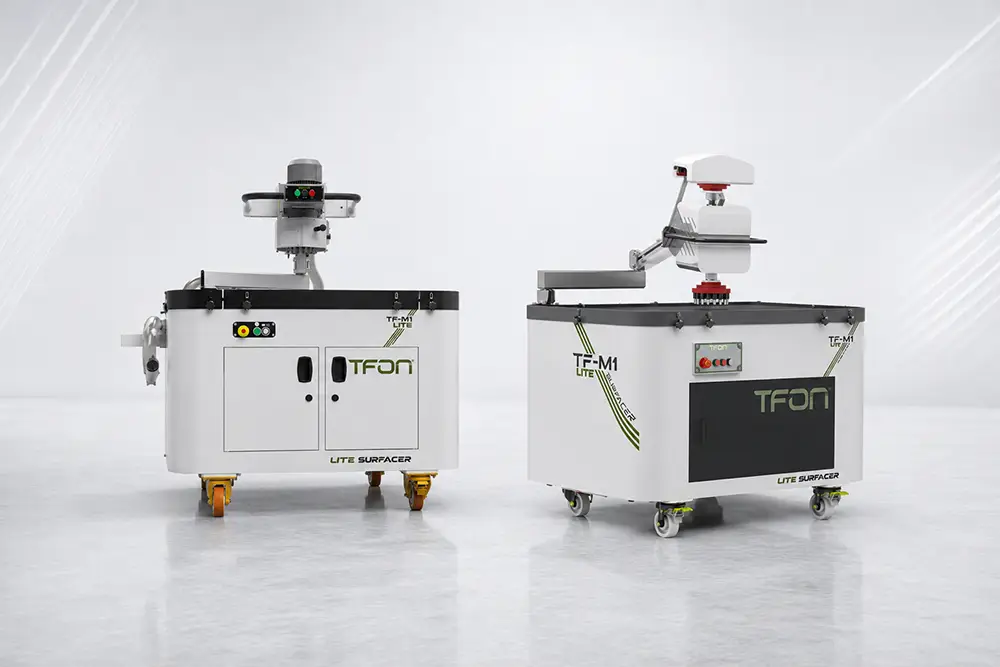
TFON's published Surfacer information includes oxide-removal tooling. The appropriate brush and machine setup must match the material and required edge condition; the presence of an edge-rounding station does not mean its installed tooling is correct for every oxide-removal job.
Prepare for Coating or Joining
| Review item | What to record |
|---|---|
| Cutting process | Assist gas, material and relevant incoming edge condition |
| Areas to clean | External edges, holes, slots and any restricted contours |
| Subsequent operation | Coating, welding or another specified treatment |
| Acceptance | Required edge cleanliness and the agreed inspection method |
| Surface protection | Faces and features that must remain within specification |
Oxide removal is one step in preparation. It does not replace the cleaning, pretreatment or inspection required by the downstream process. A visibly cleaner edge alone does not prove coating-system performance.
Explore TFON Machine and Tooling Options
Start with the TFON Surfacer machine family and review brush-based processing where appropriate. For replacement or application-specific tooling, use the existing TFON consumables enquiry.
If the part also needs a controlled edge profile, include edge rounding in the review. The order and tooling should be selected for the combined requirements, rather than treating all operations as interchangeable.
Laser Oxide Removal Questions
Is every laser-cut part oxidized in the same way?
No. Material, cutting conditions and assist gas affect the incoming edge. Review the actual part instead of assuming the same treatment for every laser-cut batch.
Is laser oxide removal the same as removing mill scale?
No. This page concerns the cut-edge condition after laser cutting. Scale on the sheet face is a separate surface condition and needs its own assessment.
Does this replace stainless-steel passivation?
No. Mechanical edge cleaning should not be presented as a chemical passivation process. State any separate surface-treatment requirement when submitting the application.