

Beveling intentionally removes material to create a defined edge geometry. For welding, that geometry forms part of the joint preparation specified by the drawing and welding procedure. It is different from removing an unwanted burr or rounding a sharp handling edge.
TFON Bevel Wizard selection begins with the required bevel and the way the workpiece can be positioned and supported during processing.
Start with the Joint Geometry
Provide the bevel angle, root face and relevant tolerances together with plate thickness and material grade. State whether preparation is required on the top, bottom or both sides and identify the edges that must be processed.
The joint design determines the target. A machine should not be selected from thickness alone, and a general “weld-ready” description is not enough to define the required geometry.
Match the Machine Concept to Part Handling
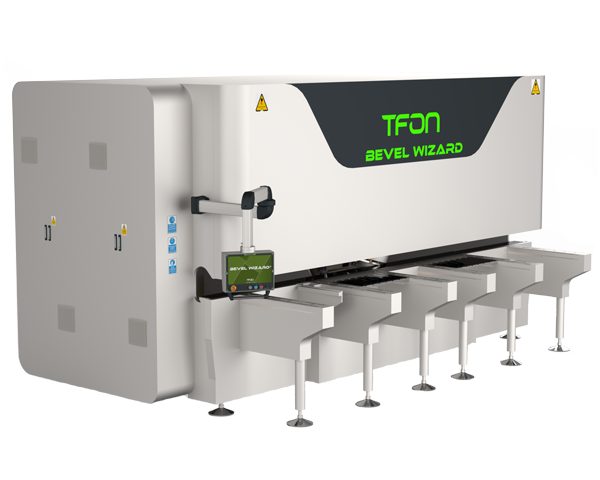
Moving-table concept
In a moving-table arrangement, the supported workpiece moves through the processing operation. Review the available support, edge length and handling space for the actual part.
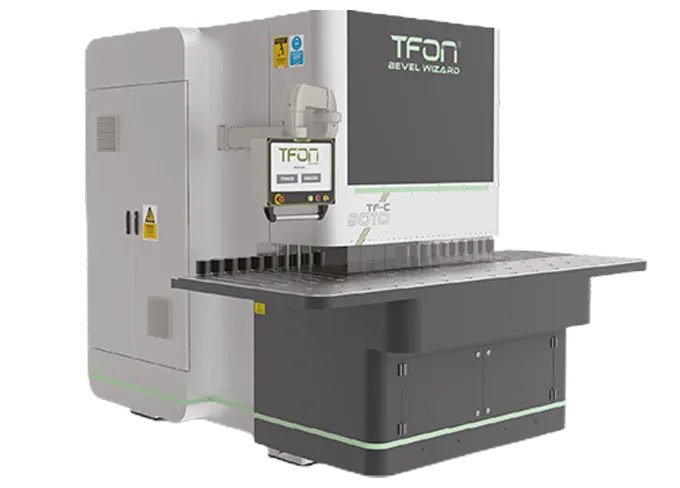
Fixed-table concept
In a fixed-table arrangement, the workpiece remains positioned while the processing unit moves. Clamping, access and the machine's supported geometry must be checked against the drawing. A fixed table does not by itself imply that arbitrary curved contours can be processed.
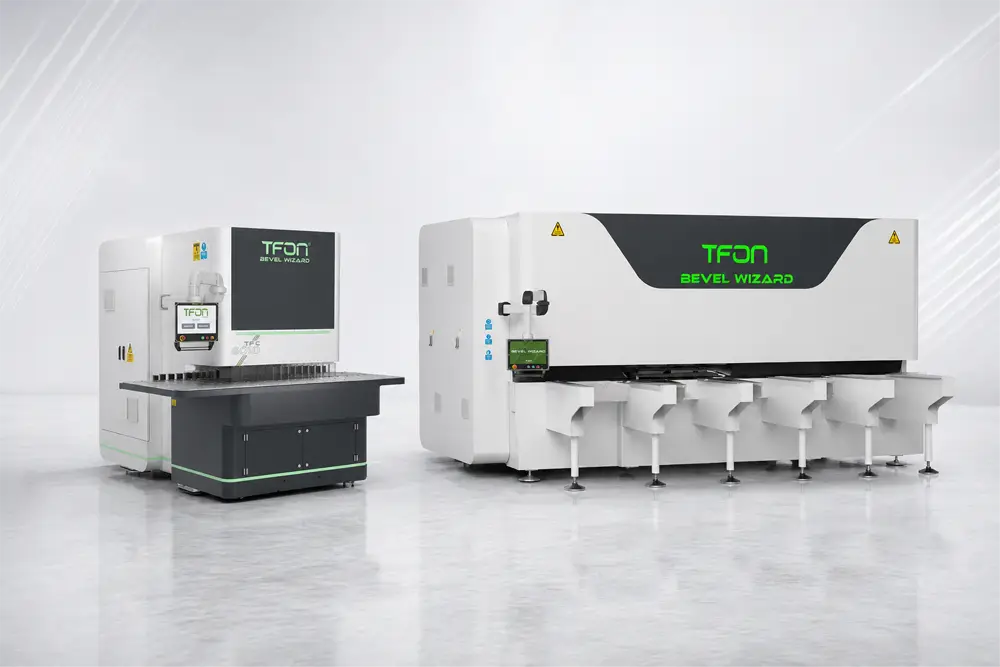
TFON offers these machine concepts within the Bevel Wizard range. The published specifications and application review establish which arrangement fits the workpiece.
Separate Beveling from Other Edge Operations
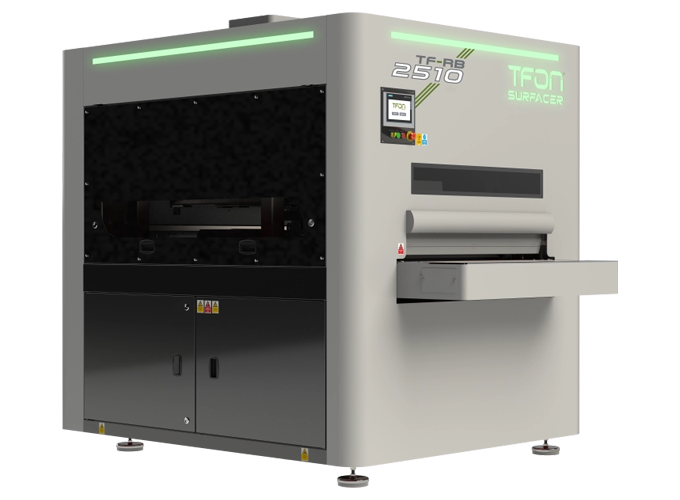
Deburring removes protruding unwanted material. Edge rounding changes sharpness or creates an agreed edge profile. Beveling produces specified joint geometry. A part can require more than one of these operations.
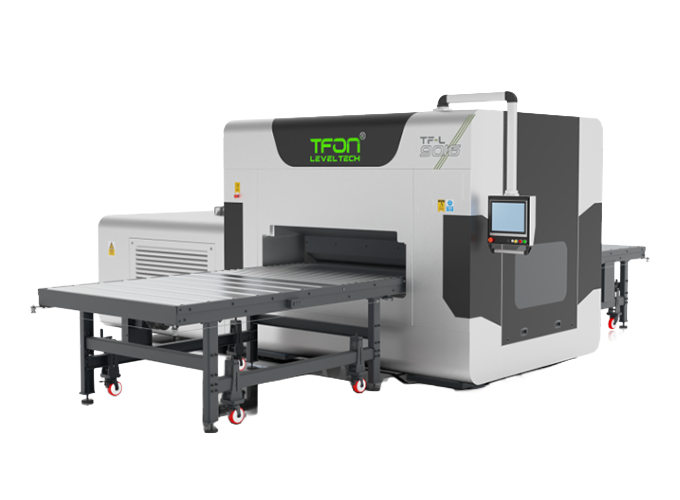
If plate arrives distorted, review leveling separately. Beveling is not a flatness-correction process. The complete route must account for stable positioning and the condition of the incoming cut edge.
Inspect the Prepared Edge
| Requirement | Inspection focus |
|---|---|
| Bevel angle | Agreement with the specified joint geometry |
| Root face | Consistency within the stated tolerance |
| Edge length | Continuity along the required preparation |
| Surface and burrs | Condition appropriate to the next operation |
| Part location and clamping | Repeatable positioning without unwanted deformation |
Consistent bevel preparation supports the welding operation, but it does not guarantee weld penetration or acceptance. Fit-up, welding parameters and inspection criteria remain part of the welding procedure.
Prepare a Useful TFON Enquiry
Send the part drawing, material, thickness, edge length, angle and root face. Include handling constraints, batch quantity and any top/bottom preparation requirement. Photos of the incoming edge can help explain the current operation and the problem to be solved.
Beveling Questions
Is a chamfer always a weld bevel?
No. A chamfer may serve another function. The drawing establishes whether the geometry forms part of a weld joint.
Can the machine follow any contour?
Do not assume so. Edge shape, access, support and machine travel must be reviewed for the proposed configuration.
Does beveling eliminate the need for welding inspection?
No. Edge preparation and weld acceptance are separate stages with their own requirements.