

Start with the condition of your part and the result required by the next operation. A burr, a sharp edge, an oxide layer and a flatness defect are different problems. They may occur on the same component, but they do not necessarily need the same treatment.
Explore the processes below to understand what each operation changes, which details affect selection and where TFON machines fit into your production route.
Find the Process for Your Part
| What you observe or need | Process to explore | What to define before selection |
|---|---|---|
| Protruding material left by cutting or punching | Deburring | Burr position, attachment and permitted material removal |
| A sharp edge that needs a controlled break or radius | Edge rounding | Edges to treat, target profile and inspection method |
| Oxide on an oxygen-assisted laser-cut edge | Laser oxide removal | Edge accessibility and the next coating or joining step |
| Attached residue on plasma- or oxy-fuel-cut parts | Slag removal | Residue condition, part geometry and required follow-up treatment |
| A specified appearance or texture on the sheet face | Surface finishing | Visible faces, finish direction and acceptance criteria |
| Bow, wave or distortion in sheet metal or cut parts | Roller leveling | Material, incoming shape and required flatness |
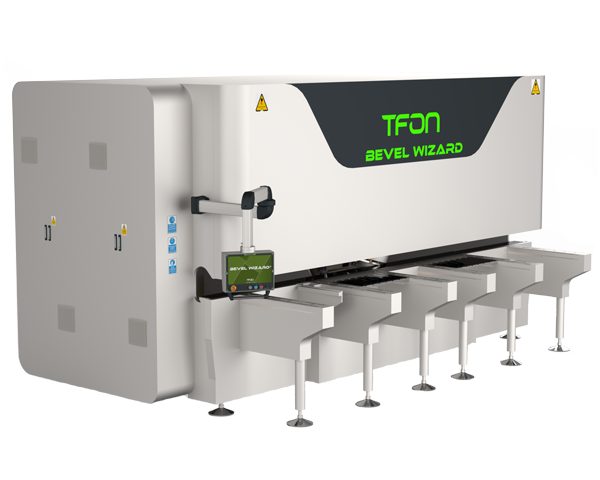
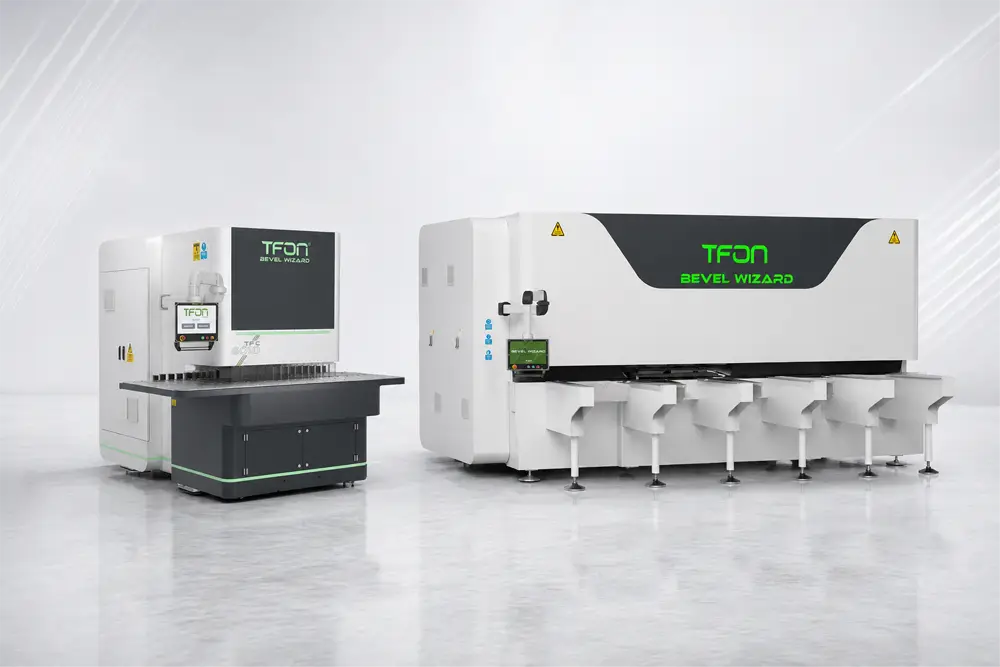
| A defined joint edge before welding | Beveling | Drawing, bevel angle, root face and handling method |
Review the Incoming Cutting Process
The cutting method helps explain the incoming condition, but the actual part decides the processing route. Two laser-cut components can have different burrs, while thermal-cut plate may require both edge cleaning and a separate flatness review.
- Laser-cut and punched parts: assess outer edges, holes, cut-outs, surface requirements and batch mix.
- Plasma- and oxy-fuel-cut parts: review attached residue, heavy burrs, plate handling and subsequent fabrication.
Connect the Process to a TFON Machine Family
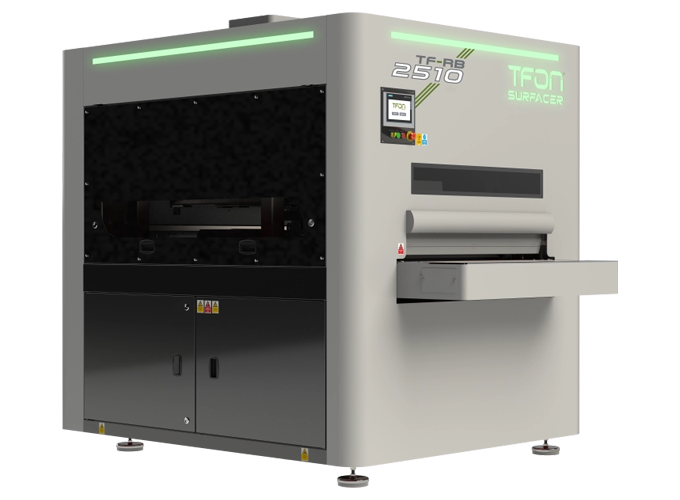
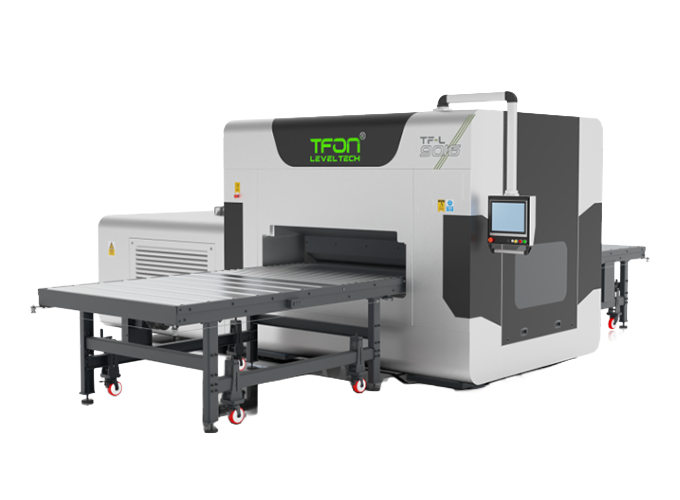
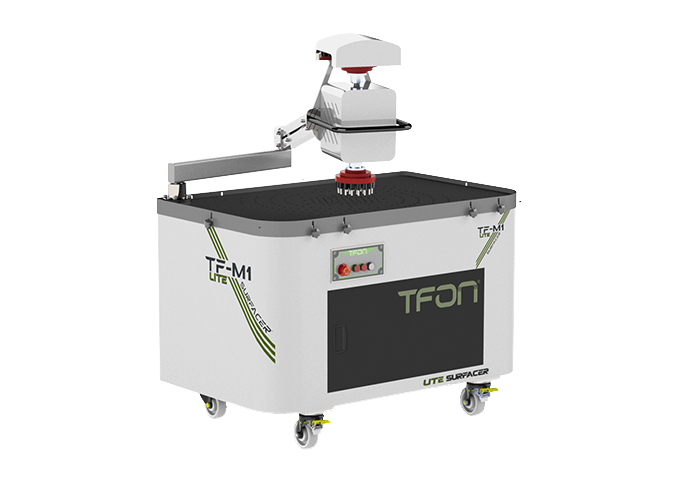
TFON Surfacer deburring and edge rounding machines provide a starting point for reviewing burr, edge and surface treatment. TFON Leveltech leveling machines address flatness, while TFON Bevel Wizard machines prepare defined bevel geometry.
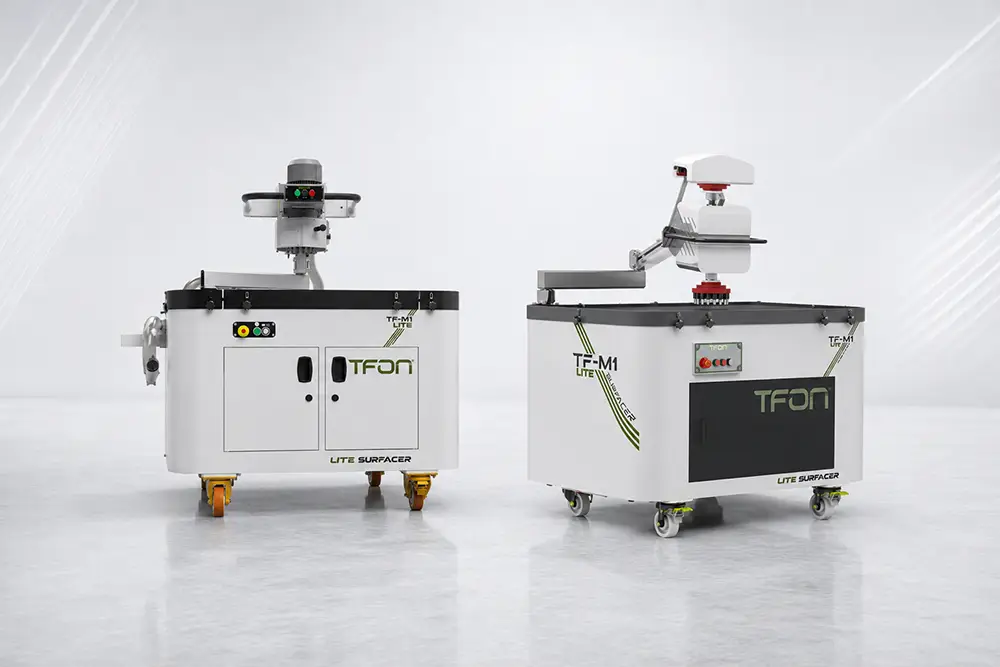
For prototypes, rework and varied low-volume jobs, compare TFON Lite Surfacer manual machines. The appropriate family and configuration depend on the workpiece and production requirement.
Define the Result Before the Machine
Send the material grade, dimensions, cutting method and photographs or samples of the incoming condition. Include the drawing or an accepted sample where available, identify surfaces that must be protected and explain the next production step. This connects machine selection to a result that can be checked.