Guides
Burrs and Edges
How burrs form, how to deburr sheet metal and how much edge rounding a part needs. Also covers the buying questions: deburring tool or deburring machine, vibratory or belt and brush deburring, and what drives deburring machine cost.
- What Is a Burr and How Does It Form on Sheet Metal?What is a burr in metalworking? See how burrs form in punching, laser and plasma cutting, the main burr types and why they must be removed.
- How to Deburr Sheet Metal: Methods ComparedHow to deburr sheet metal and reduce burrs: hand tools, grinding, vibratory finishing, belt and brush deburring machines compared by part and volume.
- How Much Does a Deburring Machine Cost?How much does a deburring machine cost? Working width, stations, part holding and automation drive the price. See the factors and what to send for a quote.
- Deburring Tool or Deburring Machine: Which Do You Need?What is a deburring tool, and when is a deburring machine the better choice? Compare by volume, part size, repeatability and operator safety.
- Vibratory Finishing vs Belt and Brush Deburring MachinesVibratory finishing or a belt and brush deburring machine? Compare by part size, volume, edge result and sheet thickness to pick the right process.
More guides
Oxide and Slag
Why plasma and oxy-fuel cutting leave slag and dross, and why oxygen laser cutting leaves an oxide layer on the cut face. Compares oxygen and nitrogen as assist gases and shows how to clean cut edges before welding and coating.
Surface and Roughness
What Ra and Rz mean and how to read roughness callouts on a drawing. Explains how ground, brushed and satin finishes differ, so you can specify the finish you need in terms a supplier understands.
Leveling and Stress
Why sheet metal warps after cutting and welding and how residual stress is reduced. Includes a buying guide with the factors to check before choosing a sheet metal leveler.
More guides
Weld Bevels
V, X, Y, K, J and U groove types with typical bevel angles and root faces based on ISO 9692-1. Also explains when beveling plate by machine is worth it compared with grinding or torch beveling.
More guides
How to Use These Guides
Every guide follows the same path: identify the defect, choose the process, choose the machine.
- Identify the defect. Name what you see on the part: a burr on the bottom edge, heavy slag, dark oxide on the cut face or a plate that will not lie flat. Start with what a burr is and slag vs dross if you are not sure which one you have.
- Choose the process. Each defect has a matching process: deburring, edge rounding, laser oxide removal, slag removal, leveling and beveling. Most parts need more than one. The tables in each guide show the order.
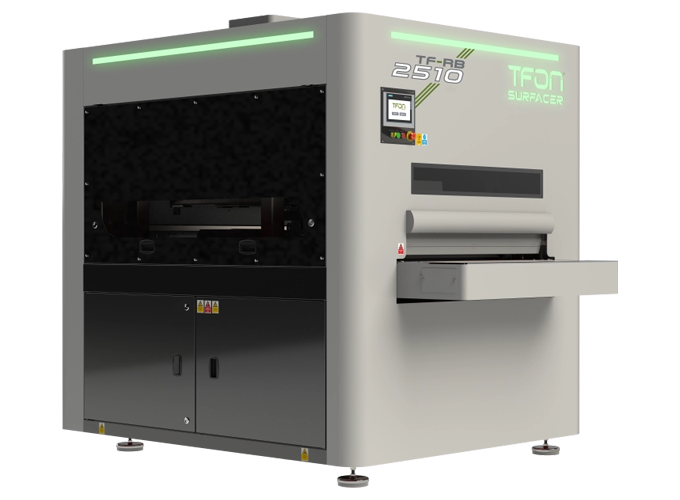
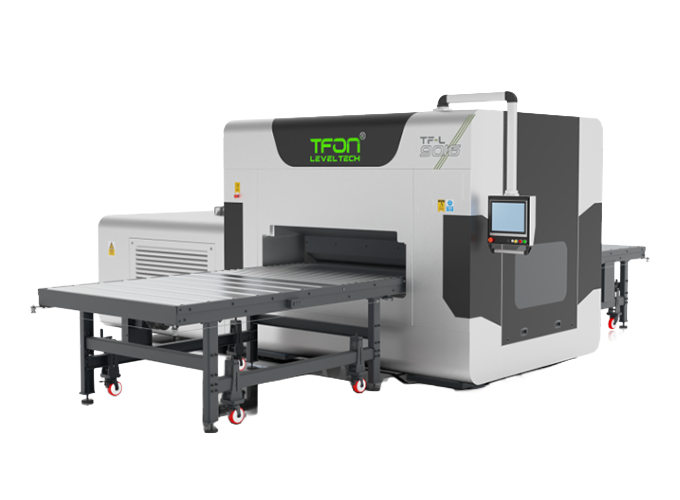
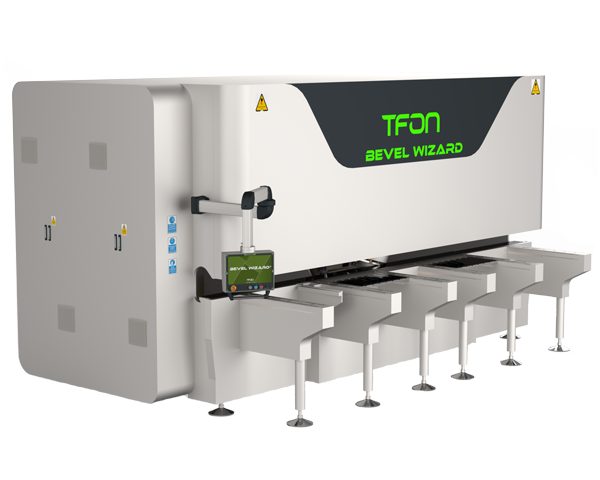
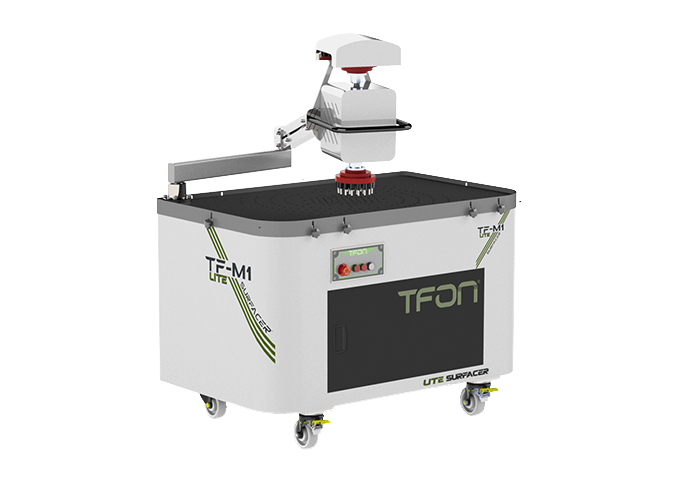
- Choose the machine. The process points to the machine family: deburring and edge rounding machines, sheet metal leveling machines and plate beveling machines. To see all models side by side, use the machine comparison table.
An example: an oxy-fuel cut plate has heavy slag on the bottom edge and will be painted. The defect is slag. The processes are slag removal and edge rounding. On the machine side, the TF-RBC-3013: 1300 mm slag removal and deburring machine handles both in one pass.
For unfamiliar terms, the sheet metal finishing glossary gives short definitions. If heavy slag on plasma or oxy-fuel cut plate is your main problem, go straight to the slag removal machine page.
What to Prepare Before Choosing a Machine
To recommend a machine, we need the following:
- Material and grade: carbon steel, stainless steel or aluminum
- Thickness range and the smallest and largest part size
- Cutting method: laser, plasma, oxy-fuel or punching
- Photos of both faces and of the cut edge
- Next operation: bending, welding, coating or assembly
- Required edge radius, surface roughness or flatness
- Parts per day or per month
If you process stainless steel, say so separately, because it needs its own consumables kept apart from carbon steel.
Send this with a drawing through our contact page, and we will suggest a model and station setup for your parts.
Frequently Asked Questions
Who are these guides for?
For shops and plants that cut and fabricate sheet metal and plate. Production managers, quality and welding engineers, operators and buyers will find answers to questions such as how burrs form, how to remove slag, which bevel angle to use and why sheet metal warps. Each guide ends with the TFON machines that match the topic.
Where do the technical values come from?
General values are based on ISO and EN standards and established engineering references, and the standard is named in the text. TFON machine data comes only from our published specifications. For your own part, the tolerance on your drawing always takes priority over the typical values given in a guide.
Which process does my part need?
It depends on the cutting method and the next operation. Laser cut and punched parts usually need deburring and edge rounding. Plasma and oxy-fuel cut parts need the slag removed first. Parts that will be coated need rounded edges, and thick plate that will be welded needs a bevel. If you are unsure, send us photos of the part.
Does TFON make vibratory deburring or pipe beveling machines?
No. TFON builds through-feed deburring and edge rounding machines, roller levelers and plate beveling machines. We do not make vibratory finishing machines or pipe beveling machines. The guides still explain those methods, so you can compare the options on their merits before you decide.