

Deburring removes unwanted material left on an edge by cutting, punching or another manufacturing operation. The task is to remove the burr while keeping the part within its dimensional and surface requirements. A process that removes the visible burr but damages a hole, a thin section or a finished face is not an acceptable result.
TFON machine selection starts with the actual incoming edge: where the burr is located, how it is attached and what must happen to the part next.
Request a deburring process review
Identify the Burr Before Selecting the Tool
Laser-cut and punched edges
Inspect the outer contour as well as holes, slots and internal cut-outs. Burr condition can vary with material, tool or cutting settings and maintenance. The cutting method alone does not establish how much material must be removed.
Heavier burrs and attached residue
Plasma- and oxy-fuel-cut parts may carry attached residue that needs a different first-stage treatment. Distinguish a burr that must be reduced from residue that may need removal before finer edge work. See the separate slag removal process.
Choose Between Material Removal and Edge Treatment
An abrasive removal stage works on the burr and the surfaces it contacts. Flexible edge-treatment tooling can address suitable edges and contours after the incoming burr has been controlled. The sequence depends on tool access, workholding and the permitted change to the sheet face.
Deburring and edge rounding are related but separate outcomes. A part may be free of protruding burrs and still have a sharp edge. Conversely, rounding a visible edge does not prove that every internal burr has been removed.
| Selection question | Why it matters |
|---|---|
| Which face and edges carry burrs? | Determines access and whether turning or another pass must be reviewed |
| Is the part stable during transport? | Holding and support influence contact and processing consistency |
| Are there small holes or narrow sections? | Tool access and permitted dimensional change can limit the process |
| Must the original surface remain visible? | Removal and finishing must respect the allowed surface change |
| Is the required output only burr removal? | Extra edge rounding or finishing should follow a defined requirement |
Where TFON Machines Fit
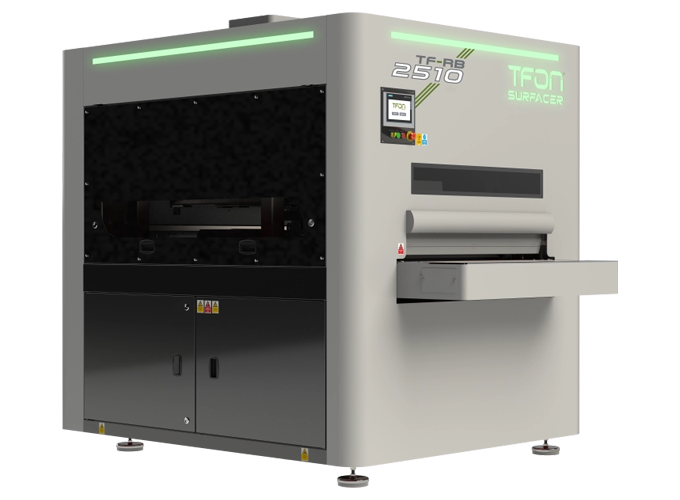
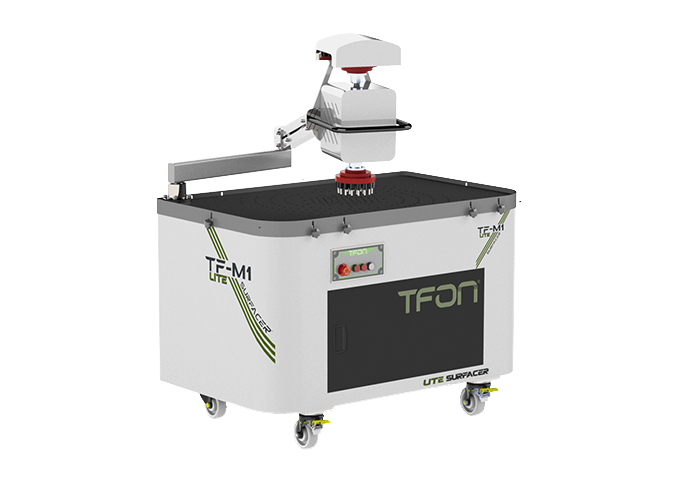
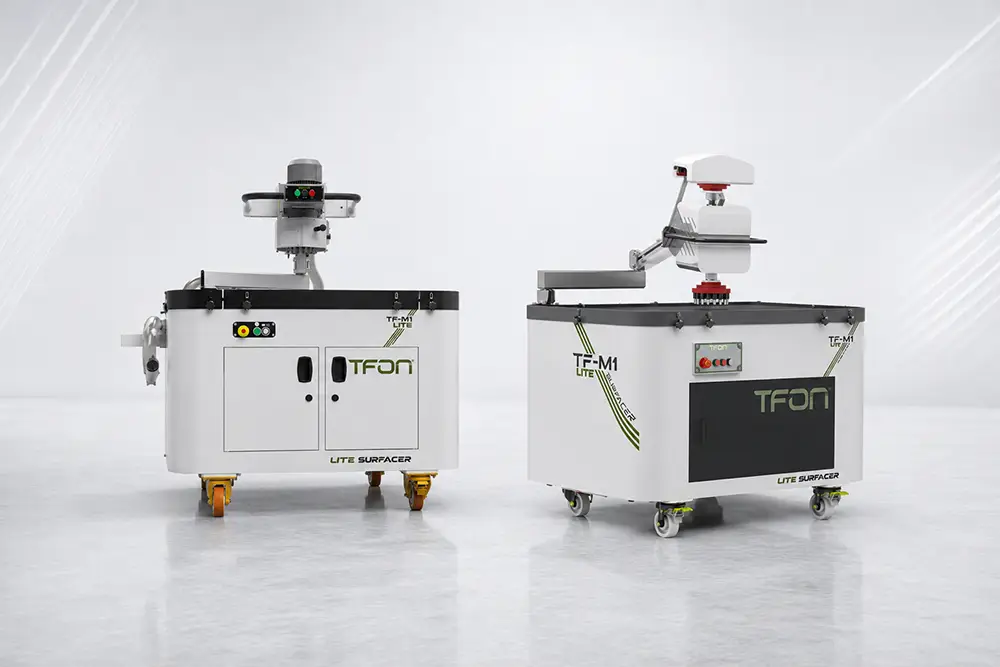
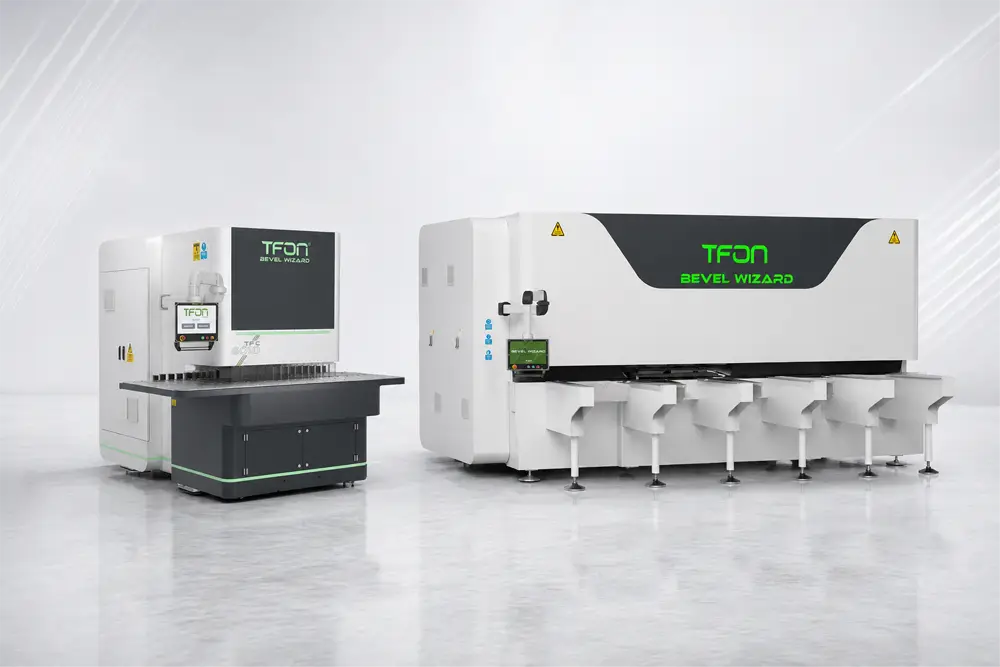
Explore the TFON Surfacer machine family for configurable deburring and edge-treatment sequences. For repeated production, compare automatic deburring options, including the relevant setup and material-flow requirements.
Manual deburring machines offer another route for mixed small batches, prototypes or rework. The decision should include handling and setup effort, not only the time the abrasive is in contact with the part.
Check the Result Across the Whole Part
Agree which edges will be inspected and how burr removal will be accepted. Review representative holes and contours, dimensional requirements and any marking on visible faces. Record the material and incoming condition together with the approved tooling and settings so that later changes can be assessed against the same basis.
Deburring Questions
Does deburring always produce a rounded edge?
No. Removing a protruding burr and producing a specified edge profile are different requirements. State both when both are needed.
Can one setup be used for every material?
Do not assume so. Aluminum and stainless steel can introduce different surface, tooling and cleaning requirements.
What should be included in a sample review?
Provide representative parts, material grade, dimensions, cutting method, photographs of the burr and the required downstream result. Identify any protected faces or critical features.