

Matching the Abrasive to the Material and Surface Requirements
Choosing the right abrasive belt affects how efficiently metal is removed, how much heat develops and whether the finished surface meets production requirements. At TFON, we evaluate consumables according to the material, incoming burr condition and intended result, rather than treating grit size as the only selection criterion. Aluminum oxide, zirconia alumina and ceramic grains offer different cutting characteristics, so their suitability depends on the application and operating conditions. A coarse grit can support stock removal but may leave scratches that require subsequent finishing. A finer grit can refine the surface, yet it should not be expected to remove substantial burrs efficiently. Backing strength, flexibility and the belt joint also matter because the consumable must suit the machine and contact arrangement. Selecting an abrasive belt without checking these factors can increase rework or produce inconsistent results. Stainless steel applications also require appropriate consumable separation and cleaning to avoid contamination from carbon steel. Before production begins, test a representative component and inspect the edges, visible faces and critical dimensions. The aim is controlled material removal with an acceptable finish, confirmed through trials instead of assumptions based solely on the grit number printed on the packaging or the initial purchase price alone.
Maintaining Consistent Quality and Controlling Processing Costs
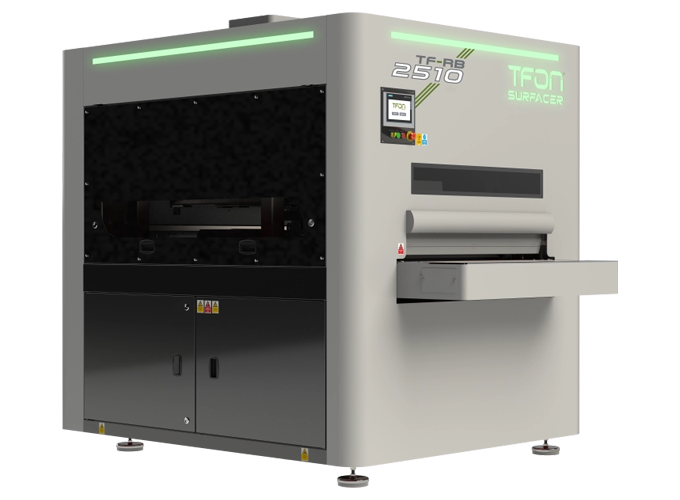
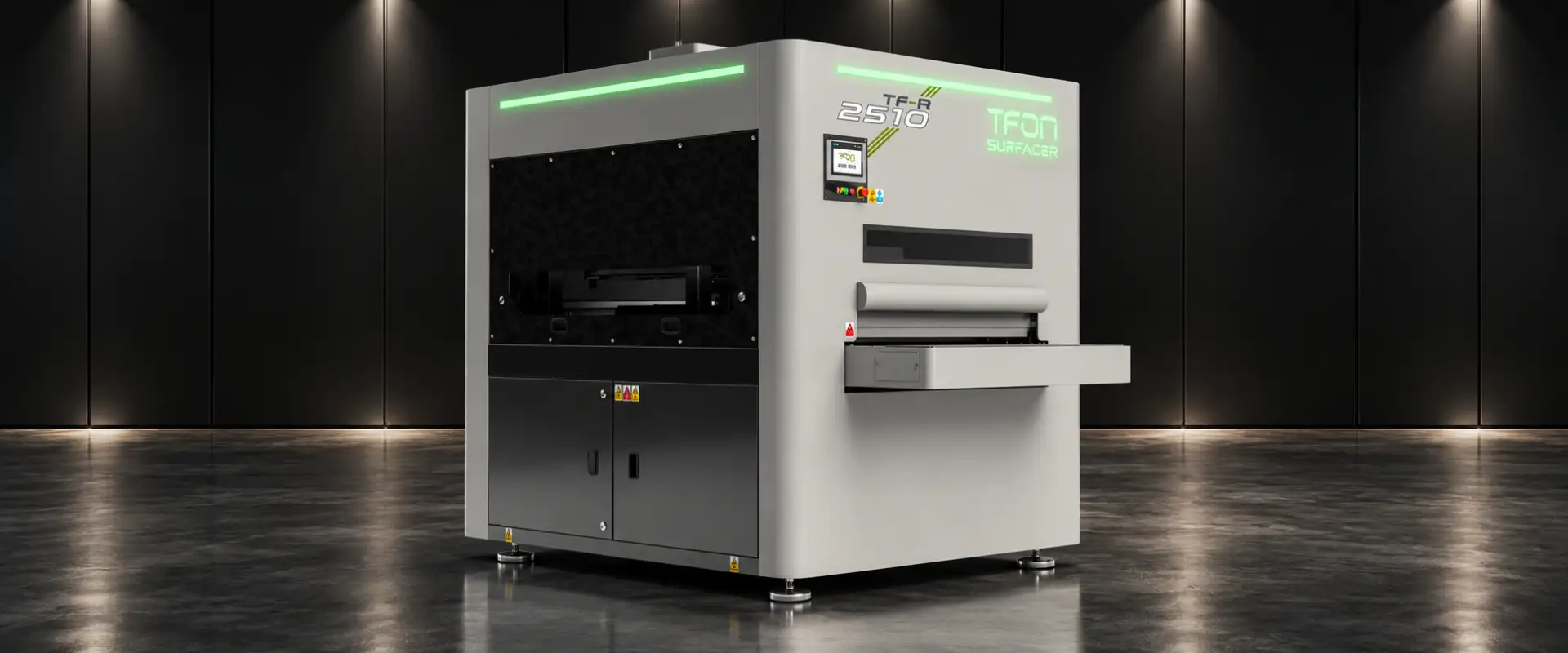
Consumable performance should be assessed throughout a production run, not only when a new tool is installed. As cutting efficiency changes, operators may increase pressure to compensate, potentially creating additional heat, surface marks or excessive material removal. Recording processing time, accepted part quantity and replacement frequency provides a clearer cost comparison than purchase price alone. At TFON, we consider tool selection alongside the complete processing sequence, including any separate edge rounding requirement. An abrasive belt used for burr removal serves a different purpose from the brushes employed to produce a controlled edge profile. For suitable parts requiring this treatment, our TFON Surfacer® TF-R-2510 can be evaluated within the overall workflow. Its role in edge rounding should be distinguished from the preceding stock removal operation, with the configuration checked against the actual component. This distinction helps manufacturers select consumables for the correct station and avoid expecting one tool to perform every task. Our TFON team can review your material, part drawing and required edge condition to discuss an appropriate process. During trials, keep feed settings, contact conditions and inspection methods consistent, then compare results as tools wear. Documented observations make replacement decisions more reliable and support repeatable quality across successive batches.