


Which Production Expenses Should Be Included?
Deburring cost per part is calculated by dividing the total deburring expenses for a production batch by the number of parts that pass quality inspection. Considering machine running time alone leaves some costs unaccounted for. At TFON, we recommend evaluating setup, loading, processing, unloading and inspection together. Calculate labor expenses by multiplying the time an operator dedicates to the job by their total hourly employment cost. If one operator handles several tasks simultaneously, allocate only the relevant time to this operation. Abrasive belt and brush consumption should reflect the share of service life used for the batch. For electricity, use measured consumption where possible, including dust extraction and compressed air. Allocate maintenance, depreciation and overhead using a consistent method. If the hourly machine rate already includes these expenses, do not count them again. Include additional time and consumables for reworked components, but count each accepted component only once. This ensures deburring cost per part reflects repeated passes. When discussing your application with our TFON team, provide the material, thickness, cutting method, burr condition and required edge quality. Grouping different geometries separately also prevents easily processed components from masking the resource requirements of more demanding parts within a single overall batch cost average.
How Can Production Data Support a Reliable Comparison?
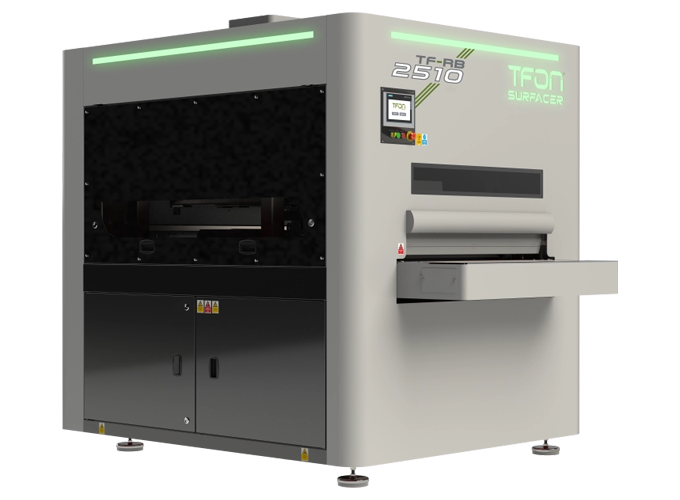
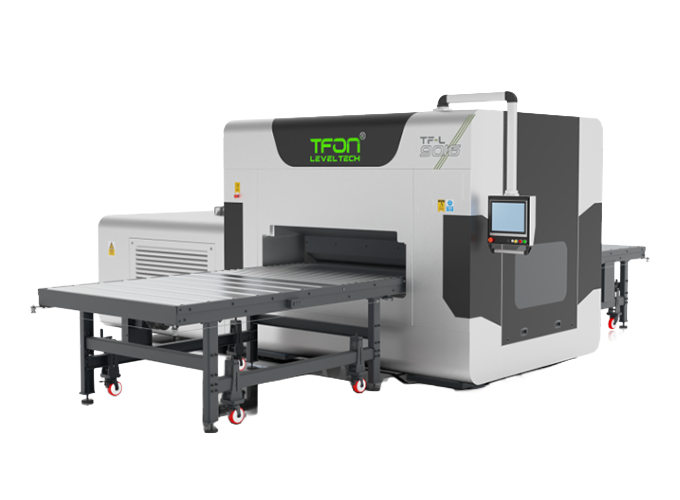
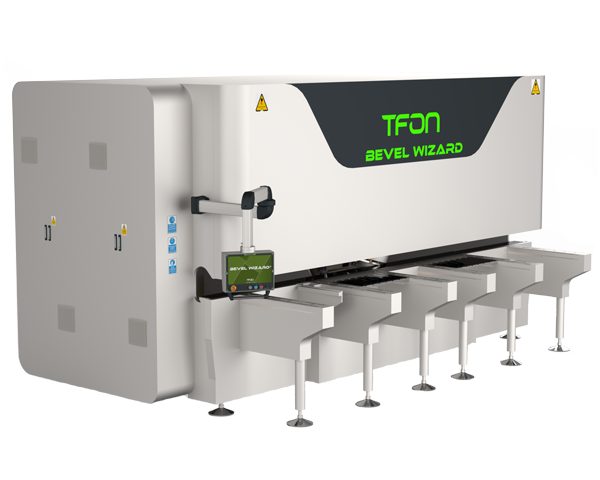
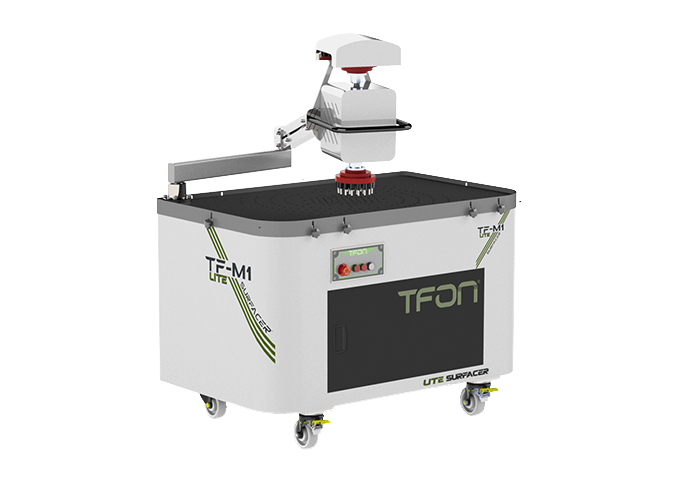
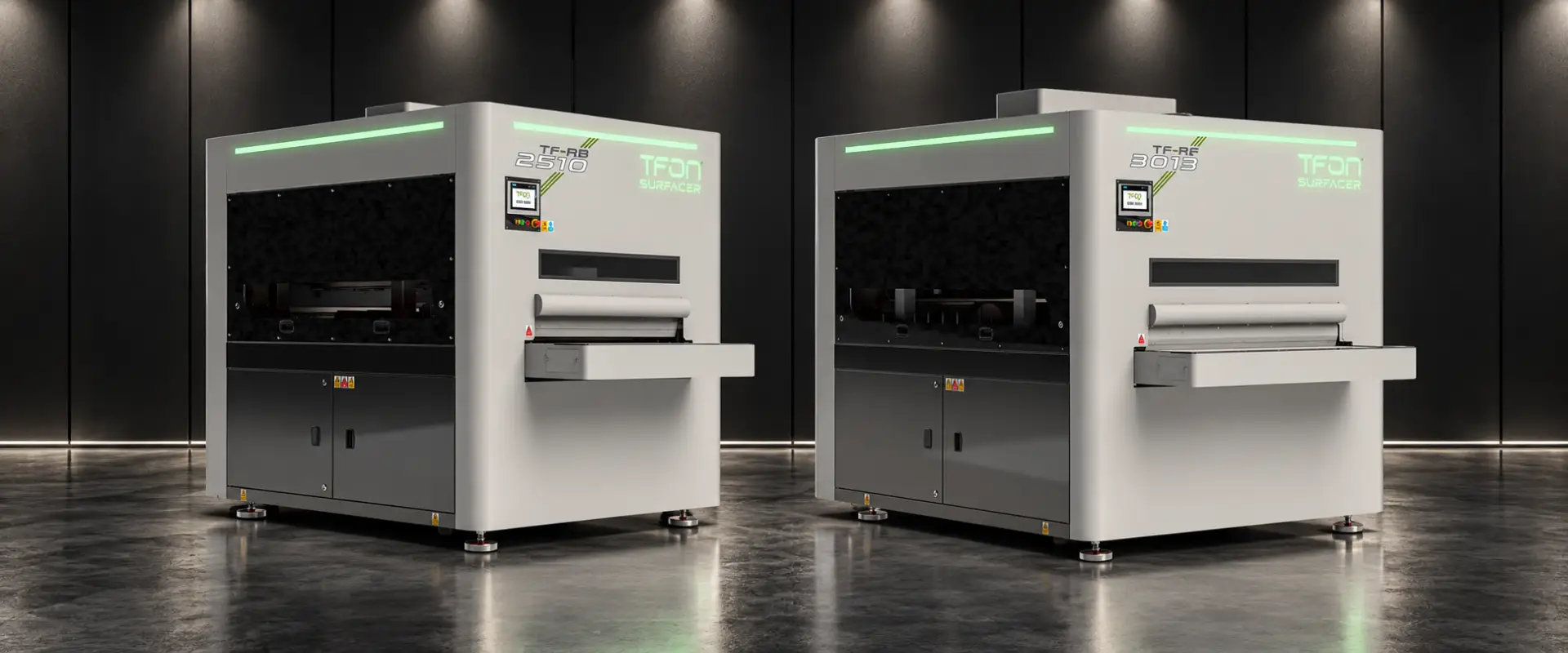
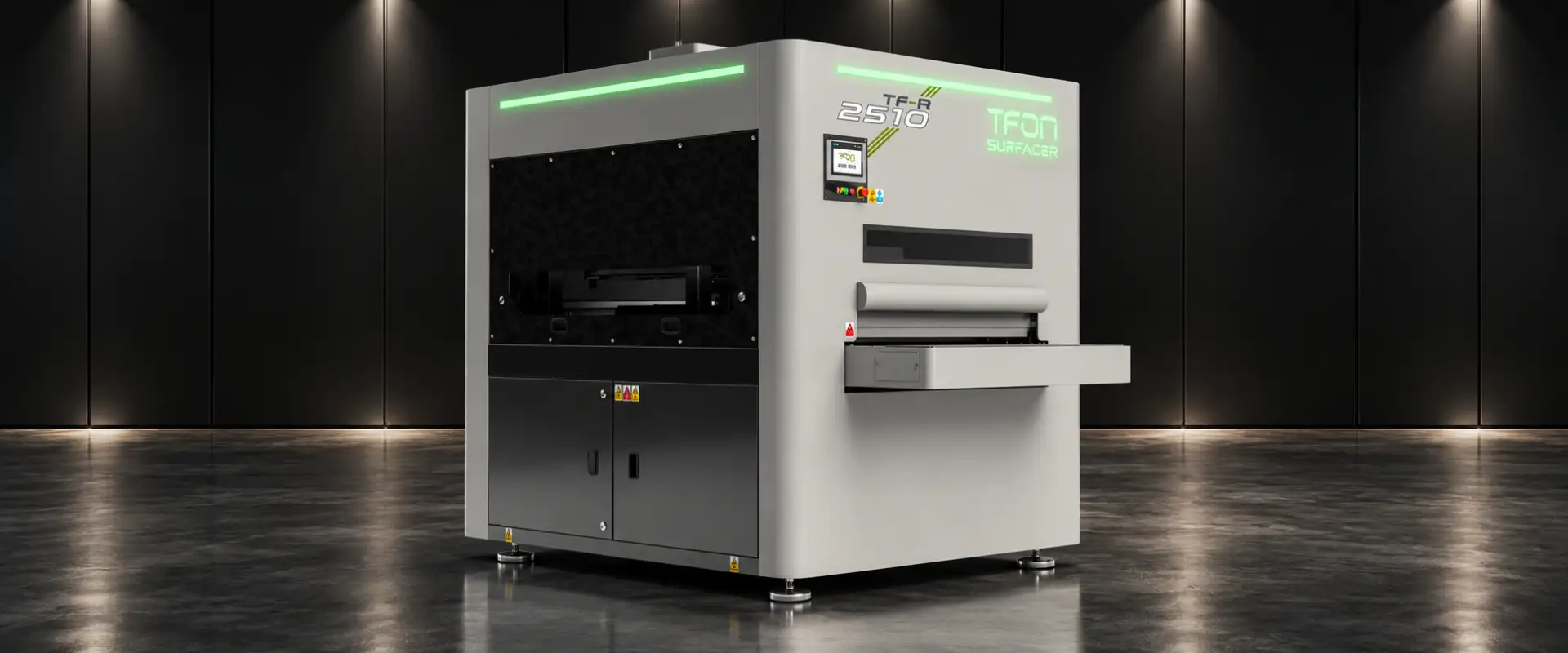
Start with a representative group of components and record each processing stage. Track setup time, operator time, machine passes, consumable use and inspection results for the same batch. When calculating deburring cost per part, use the accepted quantity rather than the total processed quantity to reveal the impact of quality losses. Reworked components consume additional resources but count only once in the output. Increasing conveyor speed may therefore offer little benefit if extra passes or corrections become necessary. At TFON, we assess machine suitability alongside the required processing stations, component characteristics and accepted production output. Explore our TFON deburring and edge rounding machines to compare configurations for your application. Keep material type, thickness, burr condition and edge quality requirements consistent throughout the comparison. Setup time can have a greater impact on smaller batches, while consumable life and process stability may become more significant during longer runs. Evaluate different batch sizes separately and identify waiting periods during loading, unloading and inspection that restrict throughput. Record successful trial settings to make subsequent results comparable. Regular monitoring helps manufacturers assess resource consumption, quality consistency and rework together, supporting production decisions based on the complete process rather than processing speed alone or isolated machine performance figures.