
Welding thick metal plates is one of the manufacturing processes that requires high strength and precision in the metalworking industry. Weld quality is particularly important in steel construction, heavy machinery manufacturing, shipbuilding, and industrial equipment production. As plate thickness increases, it becomes more difficult for the weld metal to penetrate the entire joint area. Therefore, weld beveling in thick plate welding is performed to achieve sufficient weld penetration and create reliable joints. Properly prepared weld bevels help ensure a more controlled and efficient welding process.
A weld bevel is an opening created by preparing the edges of metal components at a specific angle and geometry before joining them. While square edges may be sufficient for certain welding methods and joint designs involving thin metal sheets, thicker plates often require an appropriate bevel geometry to allow the weld metal to reach the root of the joint. This process improves access to the joint area and helps reduce the risk of incomplete penetration.
One of the primary reasons for weld beveling in thick plate welding is to ensure that the welded connection meets the required mechanical strength. When the weld metal fails to achieve sufficient penetration, the load-bearing capacity of the joint may be negatively affected. This can lead to serious quality problems, particularly in machinery components and steel structures operating under heavy loads. Proper weld bevel geometry, combined with suitable welding parameters, supports the formation of stronger and more reliable joints.
The shape and angle of a weld bevel are determined according to the welding method, plate thickness, and technical requirements of the joint. V-shaped, X-shaped, and U-shaped weld preparations may be preferred for different applications. V-shaped grooves can be used when welding access is available from only one side, while double-V preparations may be considered for thick plates that can be welded from both sides. However, excessively wide bevel angles can increase filler metal consumption. Therefore, bevel angle, root face, and root gap dimensions should be selected according to the applicable welding procedure.
Weld bevel preparation for thick plates also plays an important role in production time and manufacturing costs. Incorrectly prepared edges may lead to unnecessary filler metal consumption or additional corrective operations during welding. Furthermore, inconsistent bevel angles along the edges of metal components can result in variations in weld quality. Maintaining consistent dimensions is particularly important in mass production, where standardized processing conditions contribute to reliable manufacturing results.
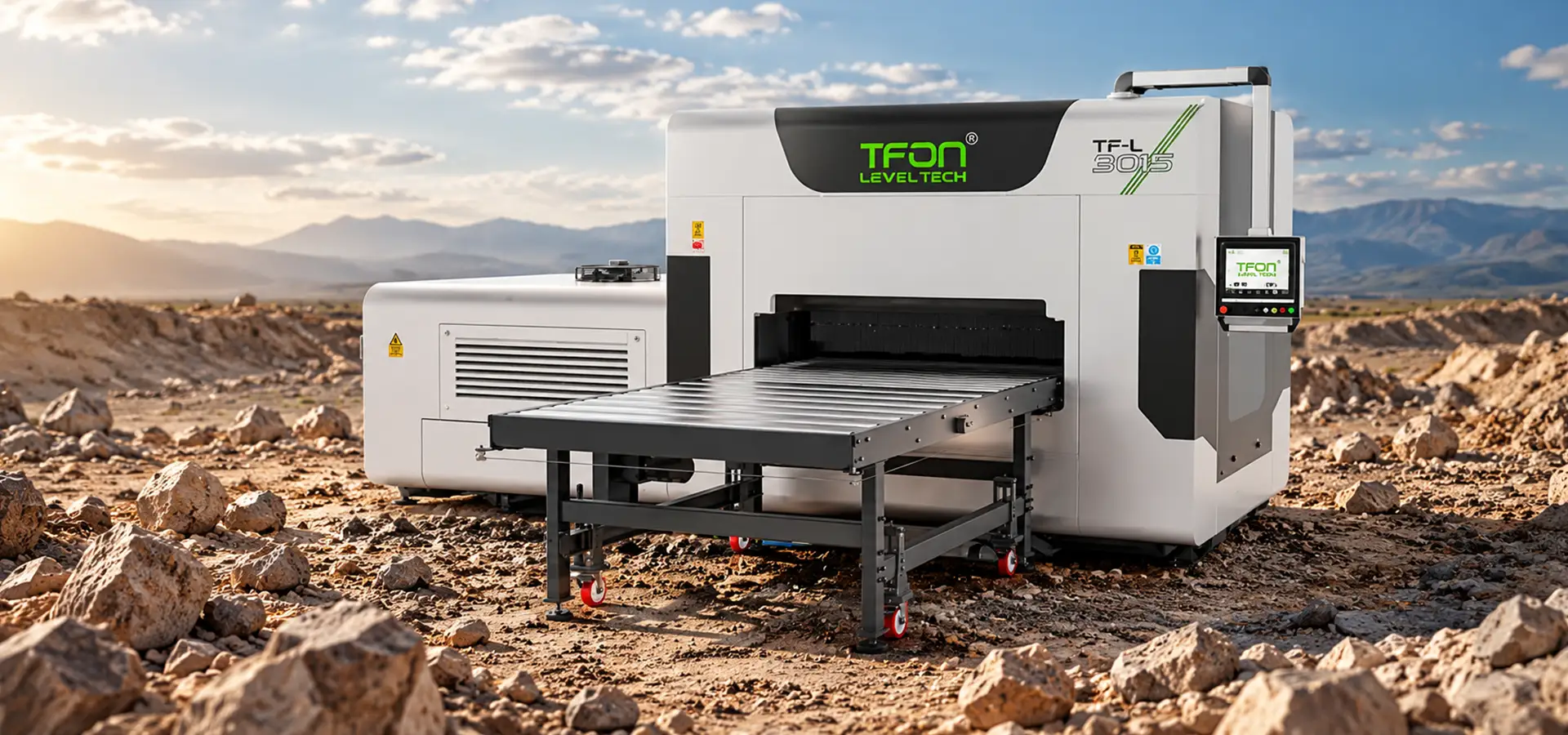
Traditional weld beveling methods may involve manual grinding or various mechanical operations. However, preparing large and thick metal plates using manual techniques can be time-consuming and may result in dimensional variations depending on operator experience. Industrial beveling machines help apply predetermined angles more consistently, improving repeatability throughout production. These systems support a more organized and controlled approach to edge preparation before welding.
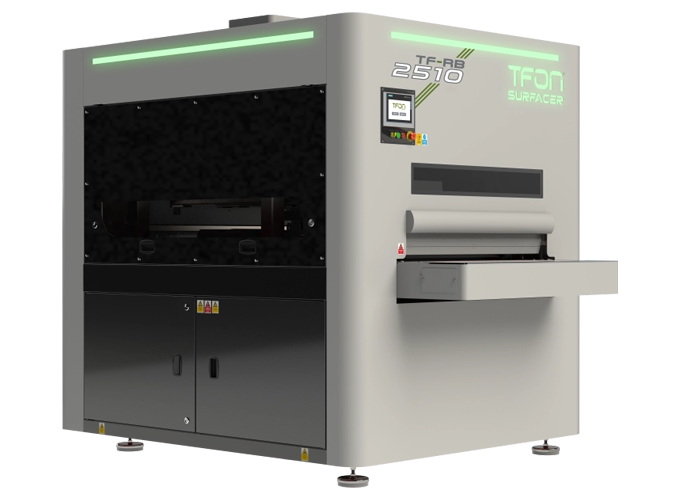
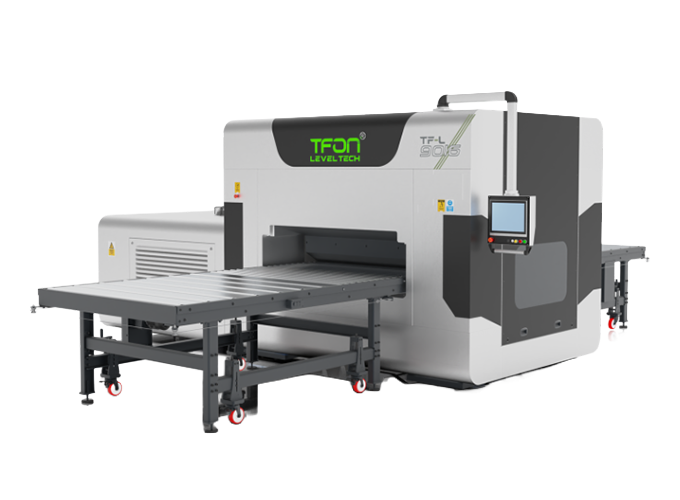
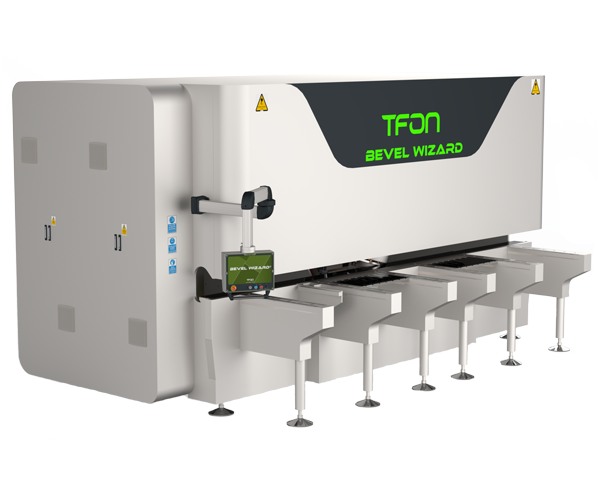
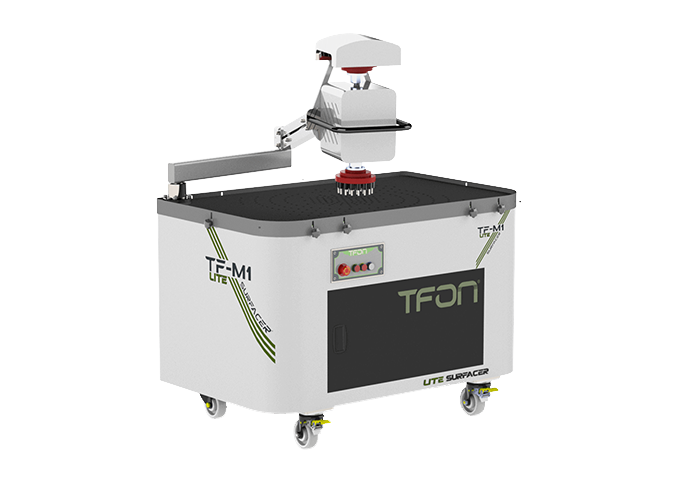
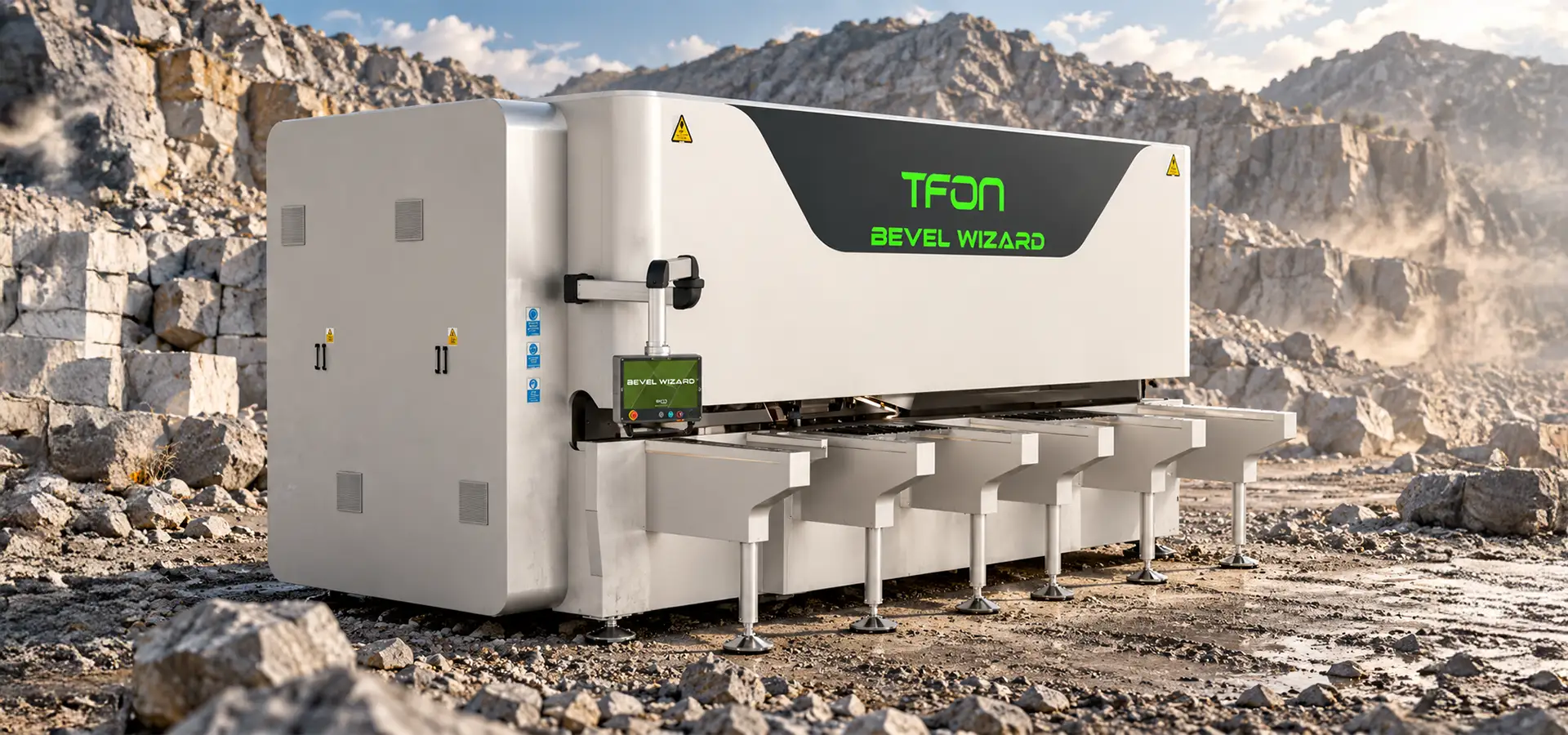
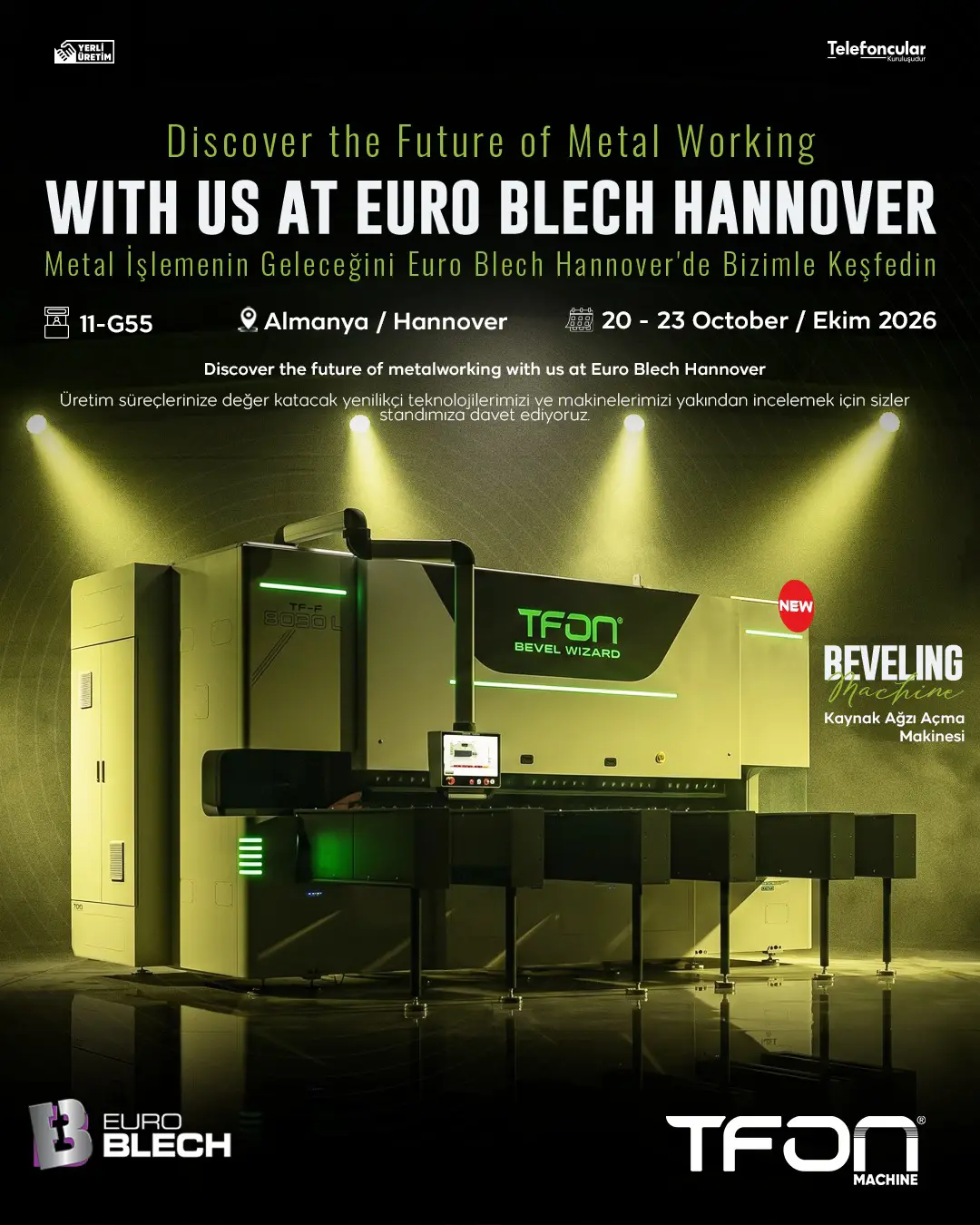
TFON provides industrial metalworking solutions through its Bevel Wizard series, designed specifically for preparing sheet metal and plate edges before welding. Developed for different component dimensions and material thicknesses, TFON's beveling machines feature adjustable working angles that help manufacturers manage weld preparation processes with greater precision and consistency. The TFON Bevel Wizard series focuses on industrial manufacturing applications where repeatable edge geometry and reliable processing quality are essential.
During weld bevel preparation, manufacturers must consider not only machine selection but also material characteristics and welding procedures. Carbon steel, stainless steel, and various metal alloys may exhibit different welding behaviors. Reviewing technical drawings, determining suitable bevel angles, and ensuring that edge surfaces are properly cleaned are important steps before welding. Correct positioning and alignment of the prepared components also influence the overall quality of the welded joint.
Weld beveling for thick plate welding is an essential process for achieving adequate penetration, improving weld quality, and maintaining greater control over manufacturing operations. Proper bevel geometry, suitable equipment, and correctly established welding parameters work together to support consistent production quality. TFON helps manufacturers achieve greater precision, efficiency, and repeatability during weld preparation through its industrial beveling solutions.