

Consumables
Non-Woven Abrasives
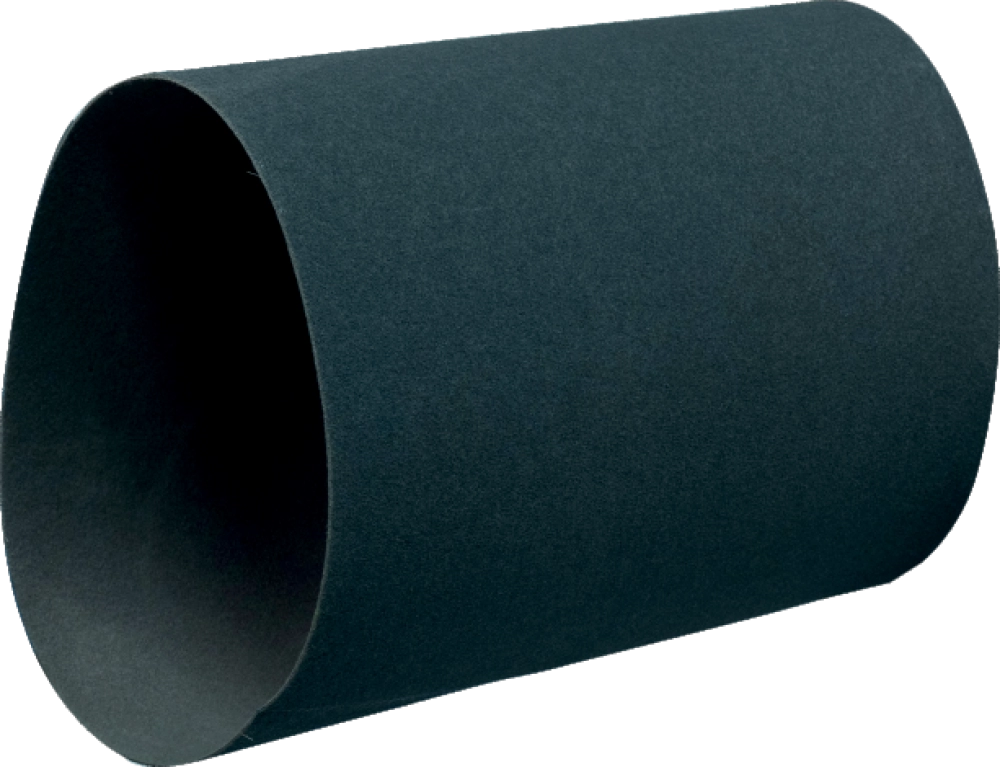
A non-woven abrasive is a flexible nylon fiber web impregnated with abrasive grain and resin. It removes little material; it blends scratches, takes off light burrs and gives stainless steel and aluminum a uniform satin finish. TFON supplies Scotch non-woven belts in coarse, medium, fine and very fine grades for Surfacer machines.
Used on These TFON Machines
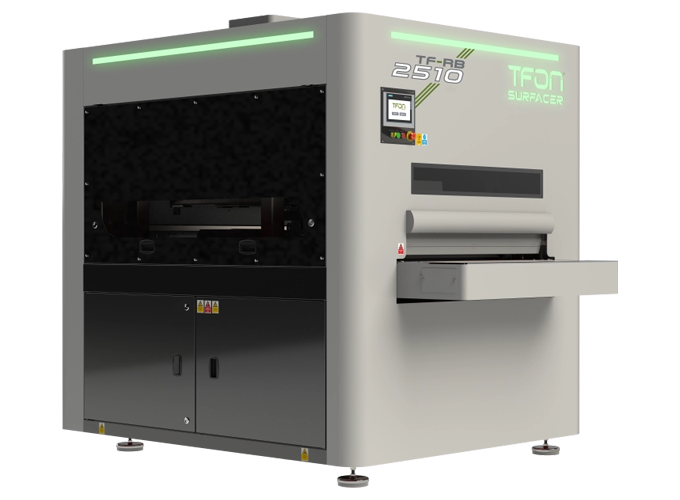
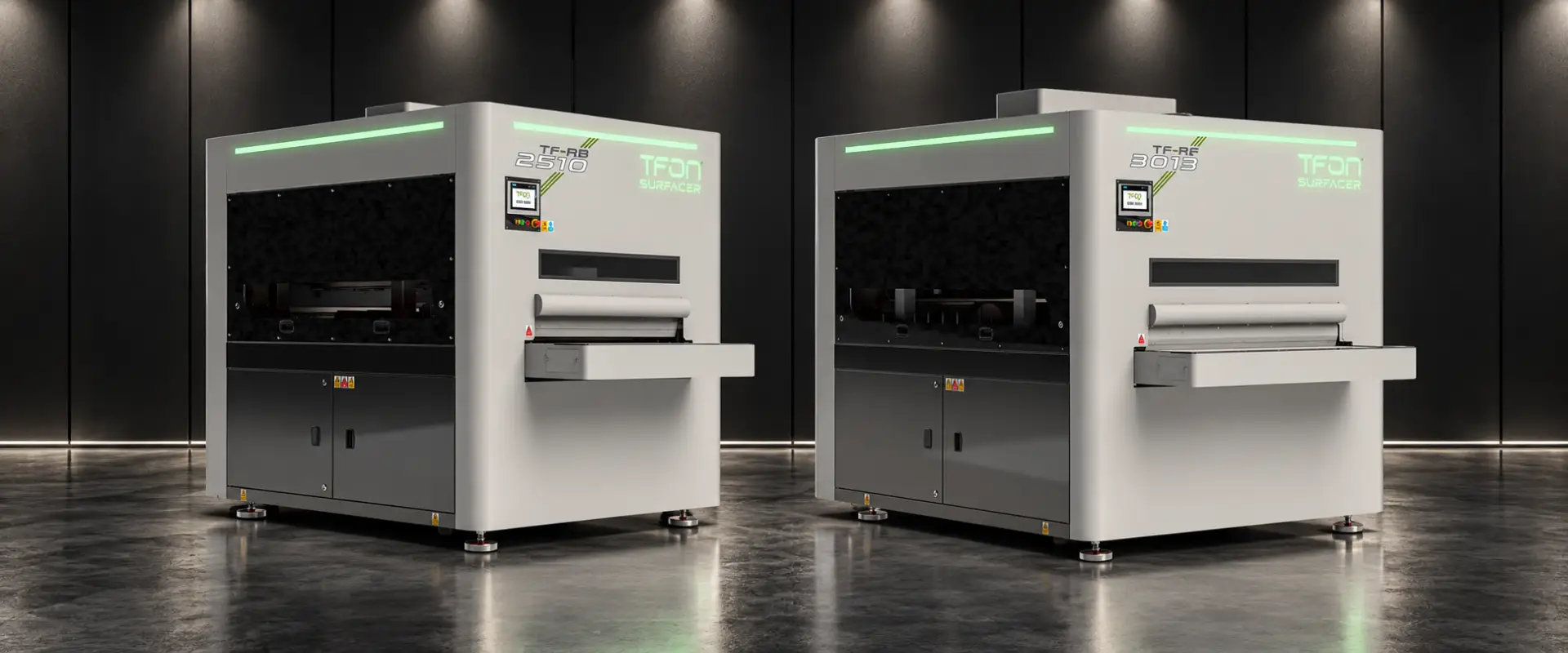
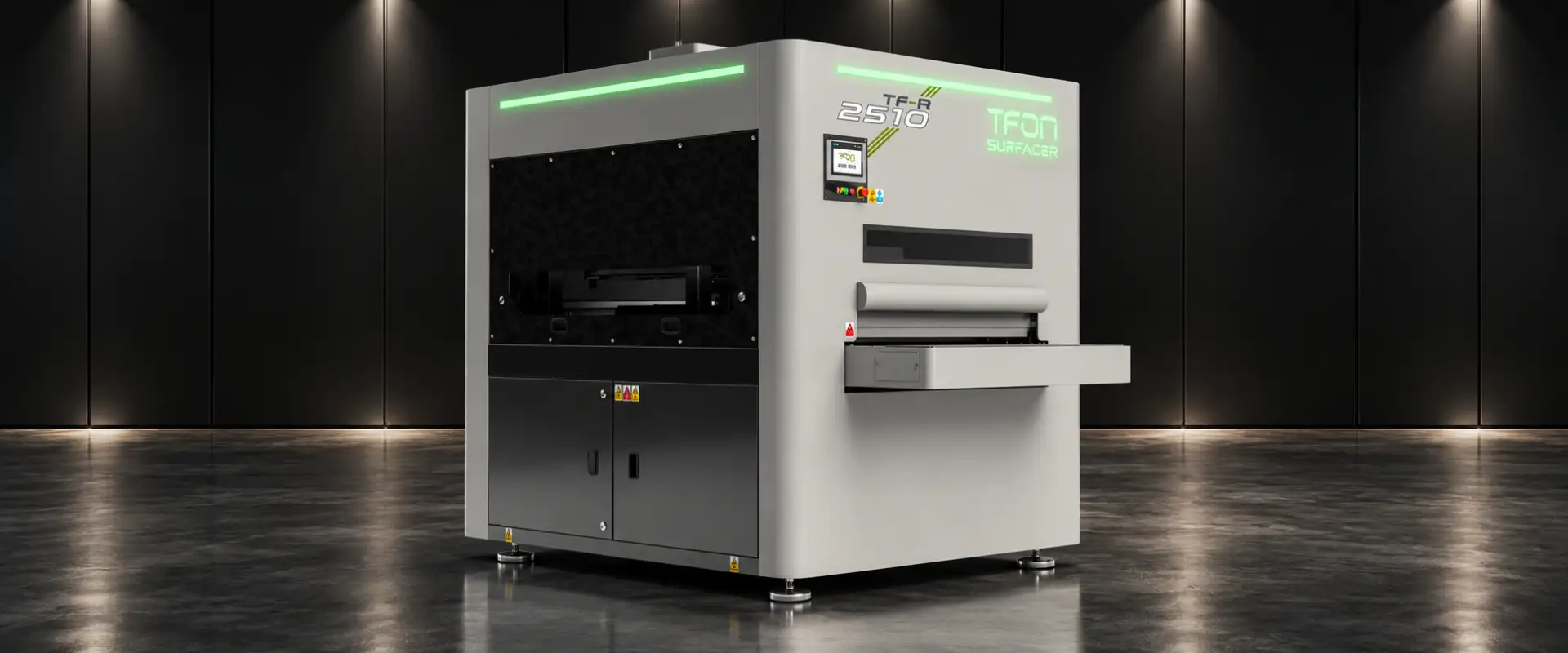
- TFON Surfacer® TF-RB-2510Deburring machine
- TFON Surfacer® TF-RBC-2510Slag removal and deburring machine
- TFON Surfacer® TF-RBF-2510Deburring and finishing machine
- TFON Surfacer® TF-RF-2510Surface finishing machine
- TFON Surfacer® TF-RB-3013Deburring machine
- TFON Surfacer® TF-RBC-3013Slag removal and deburring machine
- TFON Surfacer® TF-RBF-3013Deburring and finishing machine
- TFON Surfacer® TF-RF-3013Surface finishing machine
What Is a Non-Woven Abrasive and What Does It Do?
A non-woven abrasive is made by saturating a nylon fiber web with abrasive grain and resin. Shops call it Scotch, surface conditioning material or simply non-woven. The structure is open, three-dimensional and flexible. Grain is spread through the web, so fresh grain appears as the fibers wear.
Unlike a coated abrasive belt, a non-woven belt meets the surface with a cushioned contact. It removes little material and does not change the shape of the part. That makes it the tool for these jobs:
- Satin finishing: gives stainless steel and aluminum a uniform, directional, matte scratch pattern.
- Surface conditioning: softens the deep scratches left by an abrasive belt and evens out the surface.
- Light deburring: removes fine burrs and edge roughness without marking the face.
- Pre-paint preparation: dulls and cleans the surface so paint bonds better.
Satin finishes are mostly specified on visible parts: stainless kitchen and food service equipment, elevator and facade panels, machine cover panels and aluminum covers. On these parts the customer looks at the surface first, and the texture has to match from part to part.
On TFON Surfacer machines the non-woven belt runs in a belt station. On models with a satin finish station it gives every visible face the same texture. The process background is on our surface finishing page.
Non-Woven vs. Coated Abrasive Belts
Both belts fit the same belt station, but they do different work. One removes stock; the other conditions the surface.
| Property | Coated abrasive belt | Non-woven belt |
|---|---|---|
| Structure | Single layer of grain bonded to a backing | Grain spread through a flexible web |
| Stock removal | Pronounced | Low |
| Contact | Firm and flat | Cushioned, conforming |
| Typical job | Deburring, surface sanding | Satin finish, blending, light deburring |
| Coarseness scale | Grit number (P-scale) | Coarse, medium, fine, very fine |
| Service life in TFON data | Up to 32-80 hours depending on use | Up to 64 hours depending on use |
The two do not replace each other; they work in sequence. The coated belt removes the burr, then the non-woven belt blends the scratch it left. For coated belt types, see abrasive belts.
Types of Non-Woven Abrasives
Non-woven abrasives vary by form and by grade. The web usually carries aluminum oxide or silicon carbide grain, and web density decides how much the product gives. On the market you will find hand pads, rolls, discs, flap wheels and belts. Pads and rolls are for hand cleaning, discs and flap wheels for grinders, and belts for machines. We supply only belt-type non-wovens that fit TFON Surfacer machines. For non-woven flap wheels and interleaf flaps, see our flap brushes page.
By Grade
| Grade | Effect on the surface | Typical job |
|---|---|---|
| Coarse | Pronounced lines, relatively more stock removal | Light burrs, surface contamination, pre-paint dulling |
| Medium | Even satin lines of medium depth | General satin finish on stainless and aluminum |
| Fine | Fine, soft lines | Visible panels, decorative satin finishes |
| Very Fine | Very light texture | Final pass, evening out the surface |
Non-woven grades have no common standard like the P-scale for coated abrasives. Manufacturers use names such as coarse, medium and fine, plus color codes, and the same color can mean a different grade from one maker to the next. When you order, state the grade and the surface you work on, not the color.
Sizes for TFON Machines
Our Scotch non-woven belts come in the same sizes as the coated abrasive belts for the Surfacer. Length is 1820 mm; width follows the working width of the machine.
| Size (mm) | Grades | Service life |
|---|---|---|
| 680 x 1820 | Coarse, Medium, Fine, Very Fine | Up to 64 hours depending on use |
| 1030 x 1820 | Coarse, Medium, Fine, Very Fine | Up to 64 hours depending on use |
| 1330 x 1820 | Coarse, Medium, Fine, Very Fine | Up to 64 hours depending on use |
| 1630 x 1820 | Coarse, Medium, Fine, Very Fine | Up to 64 hours depending on use |
Surfacer models on the 2510 frame take 1030 x 1820 mm belts, and 3013 models take 1330 x 1820 mm. On both frames the belt is 30 mm wider than the working width, so even the widest part does not run at the belt edge. For other sizes, add your machine model and the label of your current belt to the form.
Which Machine and Model?
Non-woven belts run on the eight Surfacer models with a belt station. On TF-RBF and TF-RF models, which have a satin finish (F) station, their main job is the satin finish. On TF-RB and TF-RBC models they fit the deburring station and are used for light burrs and blending.
| Model | Working width | Belt size (mm) | Satin finish (F) station |
|---|---|---|---|
| TF-RBF-2510 | 1000 mm | 1030 x 1820 | Yes |
| TF-RF-2510 | 1000 mm | 1030 x 1820 | Yes |
| TF-RB-2510 | 1000 mm | 1030 x 1820 | No |
| TF-RBC-2510 | 1000 mm | 1030 x 1820 | No |
| TF-RBF-3013 | 1300 mm | 1330 x 1820 | Yes |
| TF-RF-3013 | 1300 mm | 1330 x 1820 | Yes |
| TF-RB-3013 | 1300 mm | 1330 x 1820 | No |
| TF-RBC-3013 | 1300 mm | 1330 x 1820 | No |
For lines making decorative stainless panels and covers, the TF-RF-3013: 1300 mm surface finishing machine combines edge rounding with a satin finish. For visible parts that arrive with burrs, the TF-RBF-3013: 1300 mm deburring and finishing machine deburrs, rounds and finishes in a single pass. All models are on our deburring and edge rounding machines page.
Settings That Shape the Satin Finish
The same non-woven belt gives two different surfaces at two different machine settings. Four things shape the result:
- Grade: coarse gives deep, pronounced lines; fine gives a soft, lighter texture.
- Feed speed: the Surfacer conveyor runs at 0.6-4.0 m/min. A slower feed puts more abrasive on each spot and makes the texture stronger.
- Station pressure: more pressure deepens the lines but also wears the web faster.
- Previous scratch: the coarser the scratch left by the coated belt, the harder it is for the non-woven to cover it.
The PartTrack recipe system saves these settings under the part name in machine memory. When the same part comes back weeks later, you recall the setting with one touch.
Rules for a Consistent Satin Finish
- Burr first, satin second: a non-woven belt does not remove heavy burrs. The coated belt takes the burr; the non-woven evens out the surface.
- Do not skip grades: very fine non-woven will not cover a deep scratch from a coarse belt. Use medium or fine in between.
- Plan the grain direction: on a belt machine the satin lines run in the feed direction. If the drawing specifies a direction, feed the part accordingly.
- Dedicated belts for stainless: a non-woven used on carbon steel leaves rust spots on stainless.
- Start with a sample: the same grade looks different on different materials. Try it on one part before the run and keep the approved part as a reference.
For a comparison of finish types, see our guide to types of metal finishes; for roughness values, see surface roughness Ra and Rz.
Replacement and Service Life
According to TFON data, a Scotch non-woven belt lasts up to 64 hours depending on use. Life depends on the material, station pressure and how much stock the belt is asked to remove. Forced to deburr, a non-woven belt wears out fast.
Replace the belt when:
- The satin texture starts to vary from part to part.
- The web thins out and shiny or torn areas appear on the belt.
- The belt edges fray or the splice starts to open.
- Loaded chips leave blotchy areas on the surface.
The Surfacer oscillation system keeps the belt moving, stops it walking off the drum and extends its life. Store belts dry and in their packaging. Choose the new belt in the same grade as the old one; a change of grade changes the look. Finish parts of the same order with the same belt where possible, and when fitting a new belt, follow the arrow on the back and center it on the drum.
Common Mistakes
- Deburring heavy burrs with non-woven: the web wears quickly and the satin texture suffers.
- Too much pressure: the web heats up and leaves smears and an uneven texture.
- Ordering by color: another maker's belt in the same color can be a different grade.
- Changing grade within a batch: the difference shows at once on panels mounted side by side.
- One belt for stainless and carbon steel: rust spots appear on the stainless parts later.
Ordering
Send your request with the form below; the Scotch belt is already selected. Please include:
- Machine model and belt size (for example TF-RF-2510, 1030 x 1820 mm)
- Grade: coarse, medium, fine or very fine, with a quantity for each
- Material and the finish you need
If your customer has approved a sample finish, add the grade and belt size used on that part. Staying on the same grade through the run avoids visible differences. If parts need deburring before the satin finish, tick the coated abrasive belts in the same form. For stainless lines, our stainless steel deburring machine page has more on machine choice.
Request Consumables
Tell us your machine model, the size and the quantity. You can change the selection and add other consumables.
Frequently Asked Questions
What is the difference between non-woven and regular sandpaper?
Regular coated abrasive cuts with a single layer of grain bonded to a backing and removes noticeable stock. In a non-woven, grain is spread through a flexible nylon web; it meets the surface with a cushioned contact and removes little material. Use coated abrasives for burrs and stock removal, and non-wovens for satin finishing and blending.
What do the colors of non-woven abrasives mean?
Color usually signals the grade, but there is no common standard. A color that means medium at one manufacturer can mean a different grade at another. Order by grade name, coarse, medium, fine or very fine, rather than by color. TFON Scotch non-woven belts come in these four grades.
Can a non-woven belt remove burrs?
Light burrs, yes; heavy burrs, no. It can handle fine laser burrs and edge roughness. On pronounced burrs the web wears quickly and the texture suffers. On such parts, remove the burr with a coated abrasive belt first, then satin finish with the non-woven. TF-RBF models do both in a single pass.
Which non-woven grade should I use for a satin finish on stainless steel?
Medium or fine is the usual choice for a general satin finish. Coarse leaves pronounced lines, and very fine is for the final pass. The right grade depends on the look you need and on the scratch left by the previous belt. Try it on a sample part before the run and keep the approved surface as a reference.
Are non-woven flap brushes used on TFON machines?
The non-woven product in our range is a belt. It fits the satin finish or deburring station of the Surfacer. The edge rounding station runs coated flap brushes in 60-400 grit. Non-woven flap wheels for grinders and finishing machines are not part of our range.