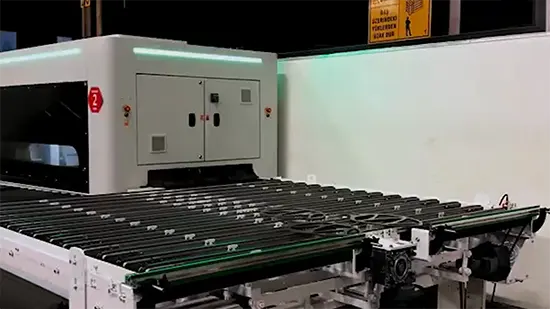
How TFON Deburring and Edge Rounding Machines Work
Select a processing sequence for the burr, edge and surface condition of your parts.
Select the Process by the Incoming Part
TFON is a deburring machine manufacturer in Konya, Türkiye. It designs and builds the TFON Surfacer® range of automatic deburring and edge rounding machines for sheet metal and plate, and supplies them to fabricators in Türkiye and export markets together with installation, training, spare parts and consumables.
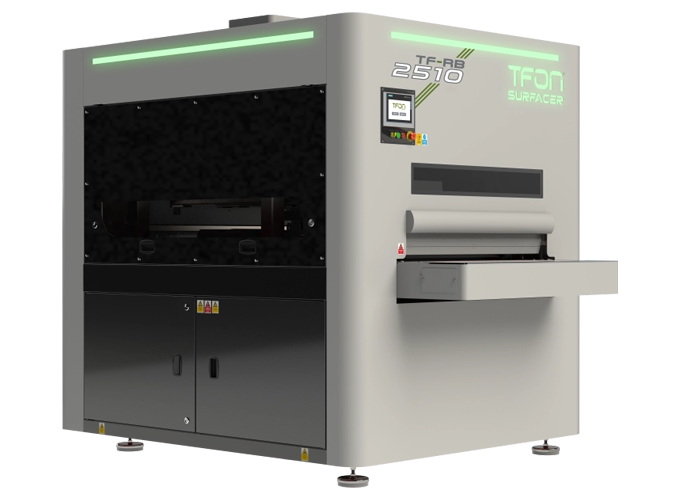
TFON Surfacer® deburring and edge rounding machines are configured to process burrs, sharp edges, slag, oxide layers and surface imperfections on cut or punched metal parts. The machine family combines different processing stations so manufacturers can select the sequence required for laser-cut sheet, punched components, plasma-cut parts, oxy-fuel-cut plate and other verified applications.
The purpose is not only to remove visible burrs. A suitable process can also prepare edges for safer handling, coating, welding, bending or assembly. The correct machine depends on the cutting method, material, part dimensions, thickness, burr severity, required edge result and production volume.
For repeat production, saved settings and material flow, explore automatic deburring machines. For low-volume work, prototypes and varied parts, compare manual deburring and edge rounding machines.
Review brush deburring configurations for edge and contour treatment, or explore material-specific guidance for aluminum deburring and stainless steel deburring.
Understand the deburring process and edge rounding requirements, or review applications for laser-cut and punched parts and plasma- and oxy-fuel-cut parts.
Deburring and Edge Rounding Process
-
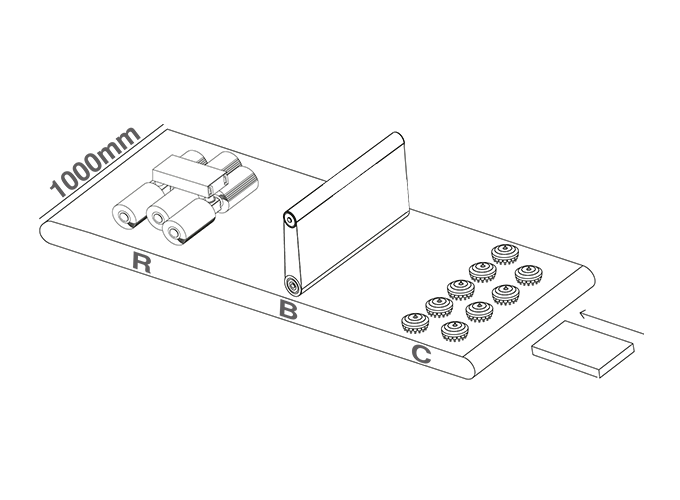
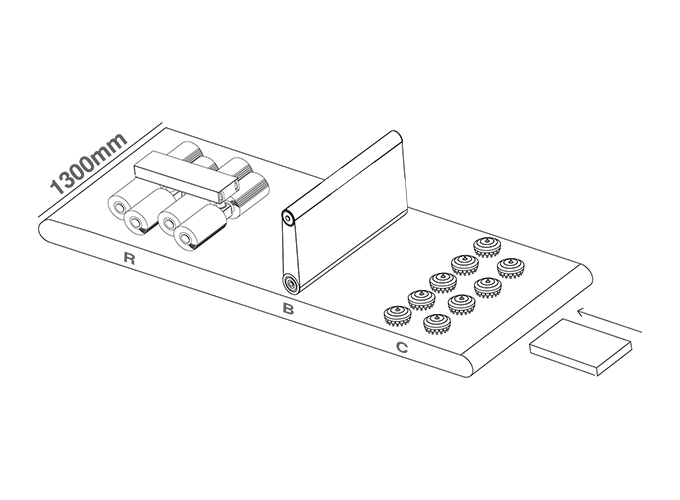
C Heavy Deburring
-
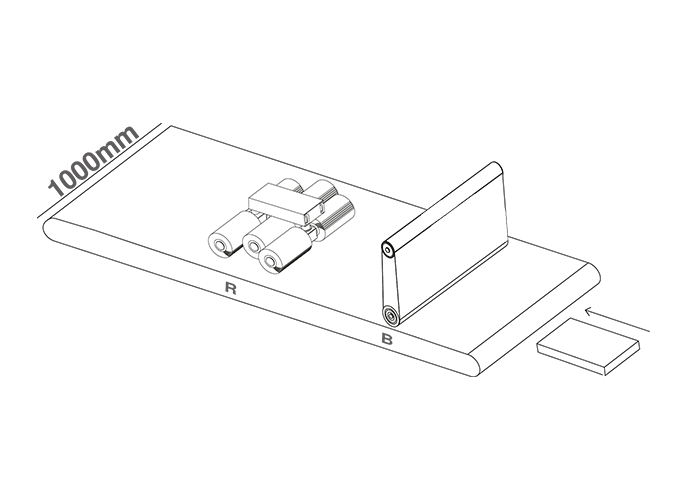
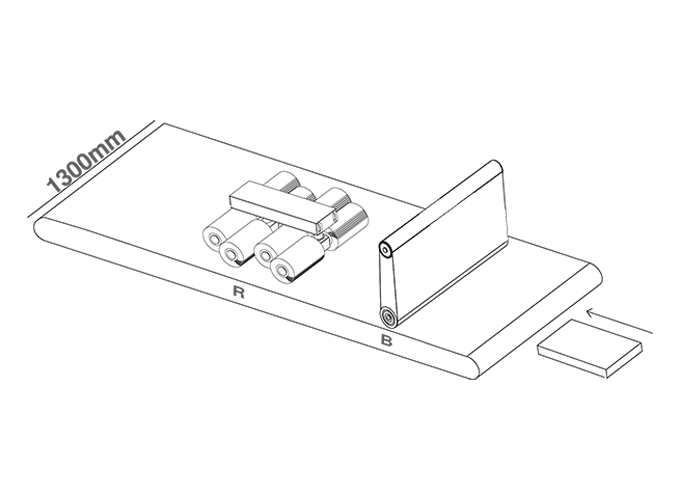
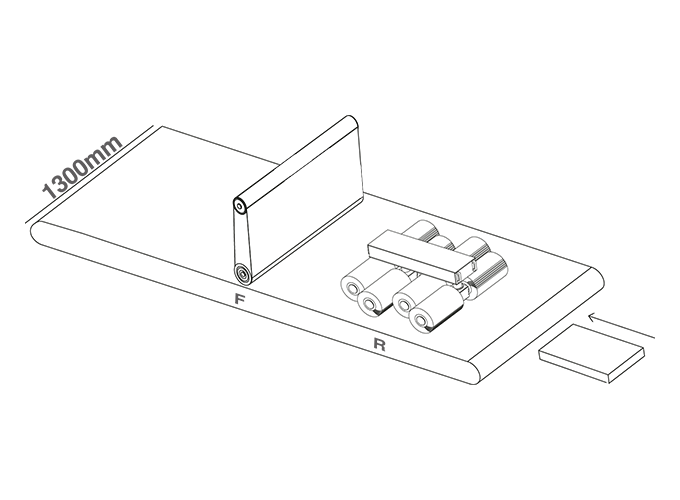
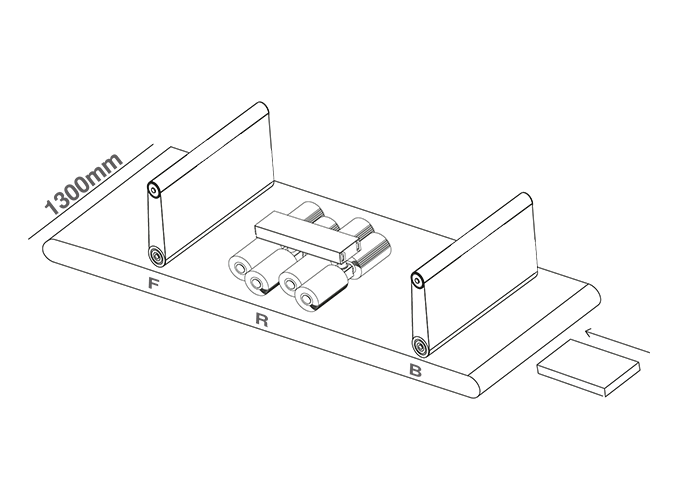
B Deburring
-
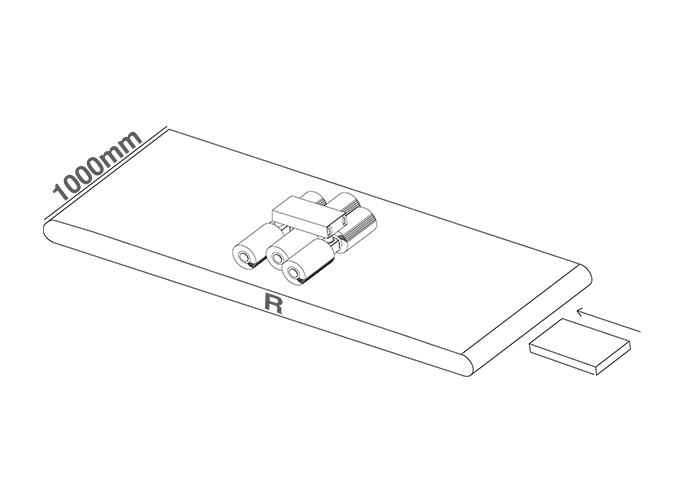
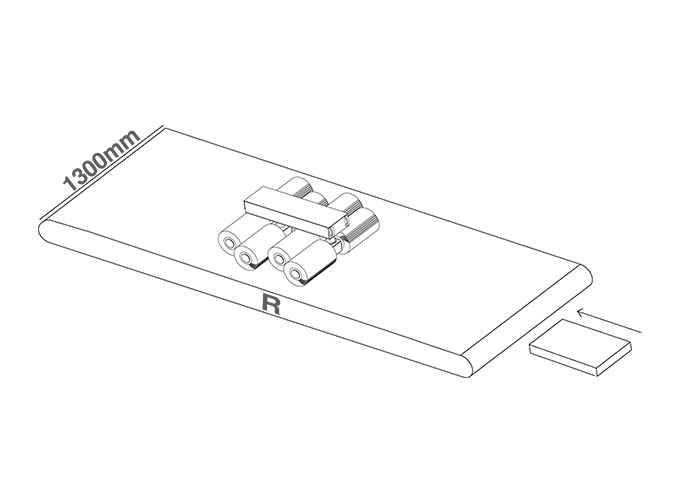
R Edge Rounding
-
R Oxide Removal
-
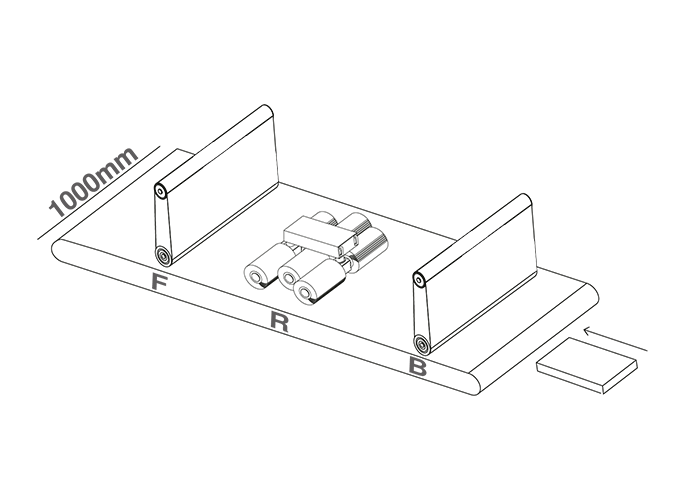
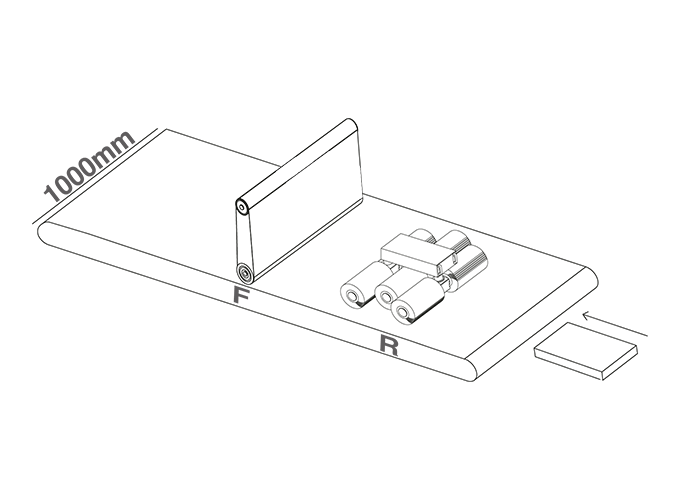
F Finishing
Compare TFON Surfacer Models
Compare published model specifications and confirm the required station configuration with TFON.


3013 Series
Special Projects
Tailor-made Machines According to Your Needs
BBBB-3013
RRBC-3013
RBCF-3013
RRCF-3013
Machine Features and Control Systems
IProtect
Overload Protection
Equipped with Intelligent Overload Protection, the system monitors motor torque to detect abnormal resistance caused by thickness variations. It instantly reacts to discrepancies between the actual material and the screen settings, safeguarding the abrasive belt and contact drum from damage.
AutoSwing
Electropneumatic Oscillation Control
The Electropneumatic Oscillation Control provides a steady oscillating motion that prevents the abrasive belt from tracking off the drums. This ensures belt stability and extends the service life of the consumables.
AcTFON
Independent Station Movements
The Independent Station Movement system is our most distinctive engineering advantage. Unlike competitors who adjust thickness by moving the entire conveyor, our system utilizes independent servo-controlled stations that move vertically while the conveyor remains at a fixed height. This ensure maximum stability and allows for seamless integration into automated production lines.
T-Servo
Servo Position Control
Servo-controlled positioning allows station settings to be adjusted and recalled. Confirm the positioning specification for the proposed configuration and verify the resulting edge and surface condition on representative parts.
PART TRACK
Recipe System
Stored recipes allow approved processing settings to be recalled. Verify that the selected recipe matches the part and inspect the result when incoming material or machine conditions change.
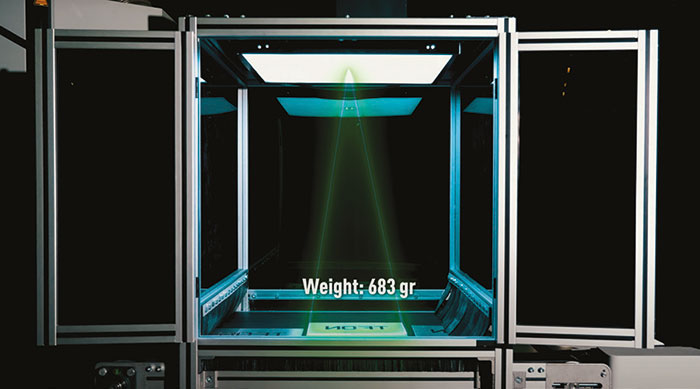
THE EYE
Automatic Laser Thickness Measurement
The thickness-measurement system provides an input for machine setup. Confirm its operating range and the suitability of the measurement method for the part, and check the setup before processing.
GATEWATCH
Thickness Error Prevention System
Equipped with a mechanical sensing system, the Overload Protection utilizes a limit switch located above the pressure roller to detect thickness anomalies instantly. If a part exceeds the thickness value entered on the screen, the system triggers an immediate halt to safeguard the abrasive belt and rubber-coated drum from impact damage.
VTOUCH
Touch screen
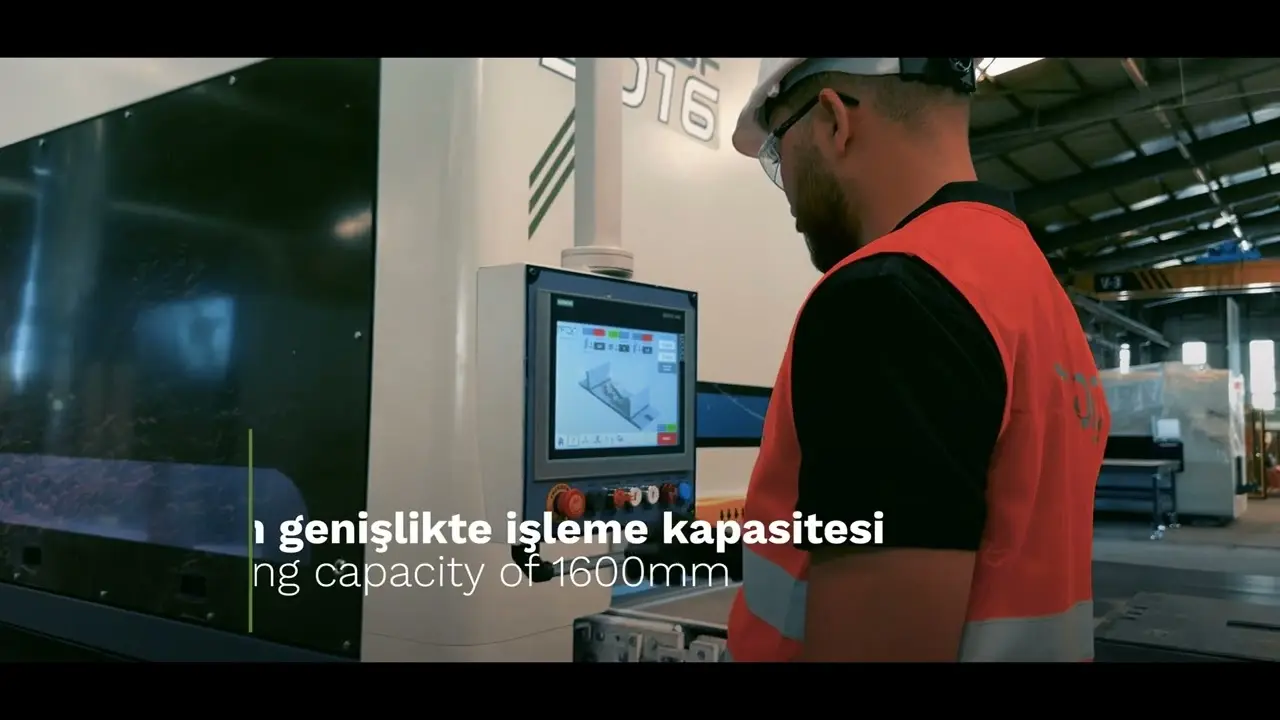
The user-friendly Touch Screen Control Panel allows for easy management of all machine parameters from a single station. It enables precise adjustments of station heights and conveyor speeds while enhancing operational efficiency through real-time monitoring and diagnostic alerts.
Deburring Machine Manufacturer
TFON designs and builds every TFON Surfacer® and TFON Lite Surfacer® machine at its own plant in Konya, Türkiye, and ships them to fabricators in Türkiye and abroad. The machine review, the station layout, and later the service and spare parts all come from the team that built the machine.
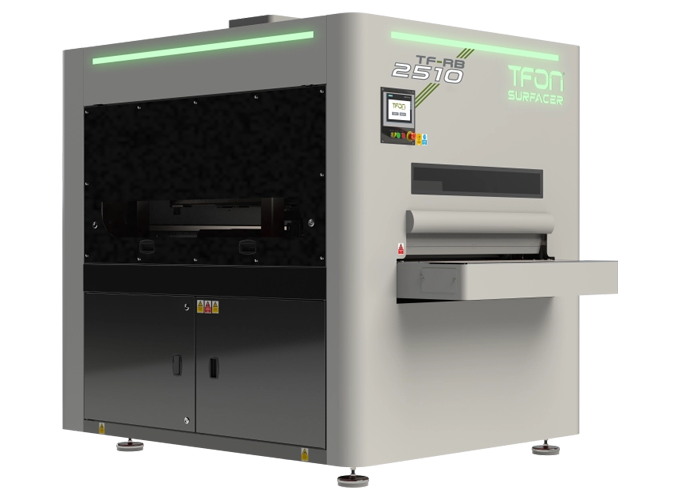
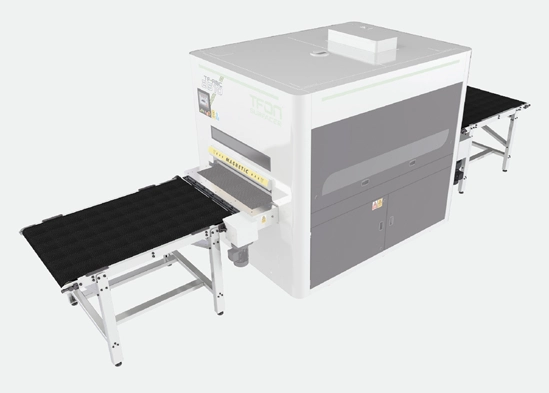
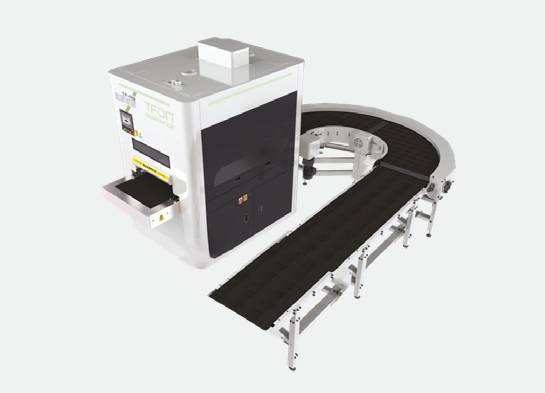
The Surfacer range comes in two working widths, 1000 mm (2510 series) and 1300 mm (3013 series), with five station configurations:
- TF-R: edge rounding and oxide removal on burr-free parts, for example the TF-R-3013: 1300 mm edge rounding machine.
- TF-RB: belt deburring and brush edge rounding in one pass, for example the TF-RB-3013: 1300 mm deburring machine.
- TF-RBC: heavy slag removal, deburring and edge rounding for plasma and oxy-fuel cut plate, for example the TF-RBC-3013: 1300 mm slag removal and deburring machine.
- TF-RBF: deburring, edge rounding and satin finishing for visible parts, for example the TF-RBF-3013: 1300 mm deburring and finishing machine.
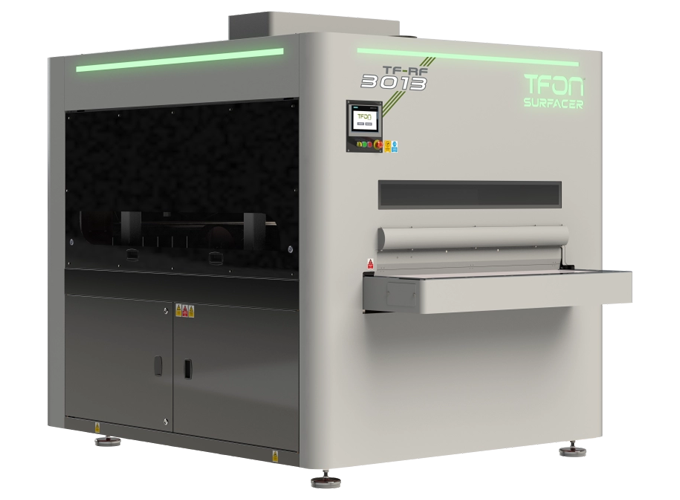
- TF-RF: edge rounding and satin finishing on burr-free parts, for example the TF-RF-2510: 1000 mm surface finishing machine.
Before comparing quotes, read what drives the price in deburring machine cost, and check whether a hand tool would do the job in deburring tool vs deburring machine. To start a machine review, send TFON the part drawing, material, thickness range, cutting method and photos of both faces.
After delivery, TFON handles installation and commissioning, operator training, remote and on-site technical support and genuine spare parts, and supplies the abrasive belts and brushes the machines run on.
Industrial Edge Rounding Solutions
Edge rounding turns the sharp corner left by cutting or deburring into a small radius. On industrial parts it does two jobs: it makes edges safe to handle, and it gives paint or powder coating enough edge to hold on to. Coating specifications often set the target. For example, preparation grade P3 in ISO 8501-3 calls for edges rounded to a radius of not less than 2 mm.
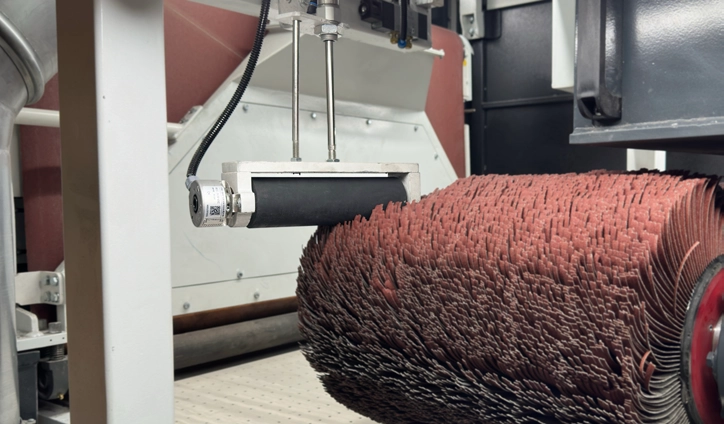
On TFON Surfacer® machines, rotating flap brushes do the edge rounding at the brush station. They follow the outer contour and reach the edges of holes and cut-outs that a flat belt does not touch. When a belt station and a brush station sit in the same frame, the part is deburred and edge rounded in one pass.
| Machine | Stations | Use it when |
|---|---|---|
| TF-R (1000 / 1300 mm) | Edge rounding, oxide removal | Parts arrive burr-free and need a radius or an oxide-free cut edge before coating |
| TF-RB (1000 / 1300 mm) | Belt deburring, edge rounding | Laser-cut and punched parts carry a burr and need a rounded edge |
| TF-RBC (1000 / 1300 mm) | Heavy slag removal, deburring, edge rounding | Plasma and oxy-fuel cut plate arrives with attached slag |
| TF-RBF (1000 / 1300 mm) | Deburring, edge rounding, satin finishing | The finish of the visible face is part of acceptance |
| TF-RF (1000 / 1300 mm) | Edge rounding, satin finishing | Burr-free visible panels need an even edge and face |
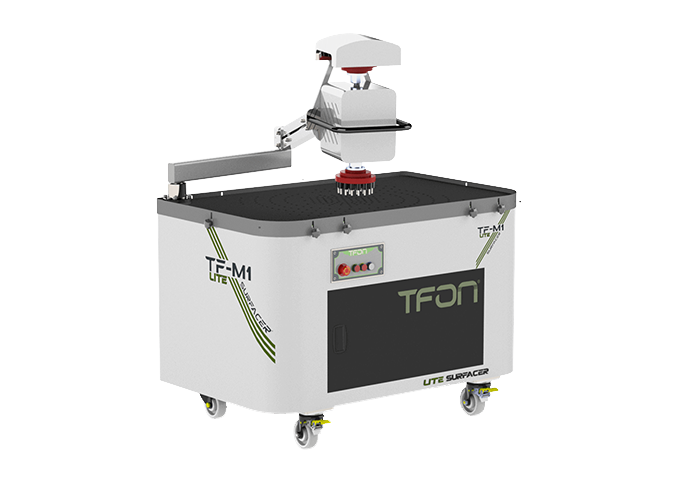
| Lite Surfacer TF-M1 LITE H1 / H2 | Manual, discs changed per job | Prototypes, rework and mixed small batches from 3 to 200 mm thick |
Surfacer machines process one face per pass. For edges on the other face, the part is turned over and run again. See sheet metal edge rounding for how to specify and measure the radius.
Magnetic and Vacuum Part Holding
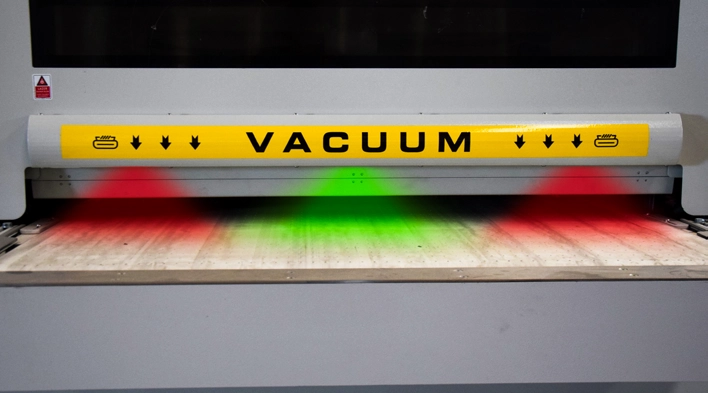
A deburring machine can only work an edge if the part stays put under the abrasive. TFON Surfacer® machines hold parts on the conveyor with vacuum, magnetic holding or both, depending on the configuration. The minimum part size is 50 × 50 mm; the actual limit depends on the holding method and the part geometry. Part weight goes up to 500 kg on 2510 series machines and 600 kg on 3013 series machines.
- Magnetic holding works on ferromagnetic material such as carbon steel plate. Holes and cut-outs affect it less than they affect vacuum holding, but small, thin parts offer less contact area.
- Vacuum holding is used for non-magnetic material such as aluminum and austenitic stainless steel, and wherever magnets are not wanted. Holding force depends on how much of the vacuum area the part covers, so small parts and parts with large cut-outs need checking.
The manual TFON Lite Surfacer® machines use an 800 × 1300 mm vacuum table.
A note on the term: a "magnetic deburring machine" can also mean a magnetic pin finisher, which moves small steel pins with a rotating magnetic field to deburr small loose parts. TFON does not build that type of machine. On TFON machines, "magnetic" describes how the part is held while belts and brushes work the edge. To size the holding for your work, tell TFON the smallest and lightest part you run, its material and its hole pattern.
Related Guides
How to Read the Model Code
The letters in a TFON Surfacer® model code are the machine's stations: R = Edge Rounding, B = Deburring, C = Heavy Deburring, F = Satin Finishing. The digits give the machine body: 2510 has 1000 mm and 3013 has 1300 mm working width.
| Model | Stations | What it does |
|---|---|---|
| TF-R-2510 / TF-R-3013 | R | Edge rounding and oxide removal |
| TF-RB-2510 / TF-RB-3013 | R + B | Deburring and edge rounding |
| TF-RBC-2510 / TF-RBC-3013 | R + B + C | Heavy slag removal, deburring and edge rounding |
| TF-RBF-2510 / TF-RBF-3013 | R + B + F | Deburring, edge rounding and satin finishing |
| TF-RF-2510 / TF-RF-3013 | R + F | Edge rounding and satin finishing |
Frequently asked questions
Can one machine deburr and round edges?
Yes. In TFON Surfacer® machines, the deburring and edge rounding stations are arranged in the same frame and the part goes through both operations in a single pass. The station sequence depends on the model code.
Which cut parts can be processed?
Laser-cut, plasma-cut, oxy-fuel-cut and punched parts can be processed. Heavy slag from plasma and oxy-fuel cutting requires the heavy deburring station of the TF-RBC series.
What is the difference between a belt and a brush stage?
The belt station contacts the top surface and the outer contour and removes the projecting material. The brush station is flexible; it reaches hole interiors, slots and internal contours and defines the edge profile. In most applications the belt works first, followed by the brush.
Are both faces processed at the same time?
On TFON Surfacer® machines, standard processing is on one face; the other face of the part requires a second pass. The right configuration for your application is defined in the engineering review.
What should we send TFON to select a machine?
Material and grade, minimum/maximum part dimensions, thickness range, cutting method, photos of both faces of the part, the next operation and that operation's acceptance criteria.
What do the letters in the model code mean?
The letters in a TFON Surfacer® model code are the machine's stations: R = Edge Rounding, B = Deburring, C = Heavy Deburring, F = Satin Finishing. The digits give the machine body: 2510 has 1000 mm and 3013 has 1300 mm working width. For example, the TF-RBF-3013 is the machine with edge rounding, deburring and satin finishing stations and 1300 mm working width.
Let us review your part together
Share the material, cutting method, part dimensions and the acceptance criterion of the next operation, and we will define the suitable machine family and station sequence together.
Related process: Deburring